Nine types, one kitchen
Bosch builds most of a kitchen: dishwashers, refrigeration, wall ovens, ranges, cooktops and hoods, plus a compact laundry pair designed for apartments. What the nine have in common here is that they were chosen for a specific space — a condo galley, a closet off the hallway, a cabinet run with a fixed opening — and that shapes the repair as much as the failure does.
What tends to go wrong, by appliance
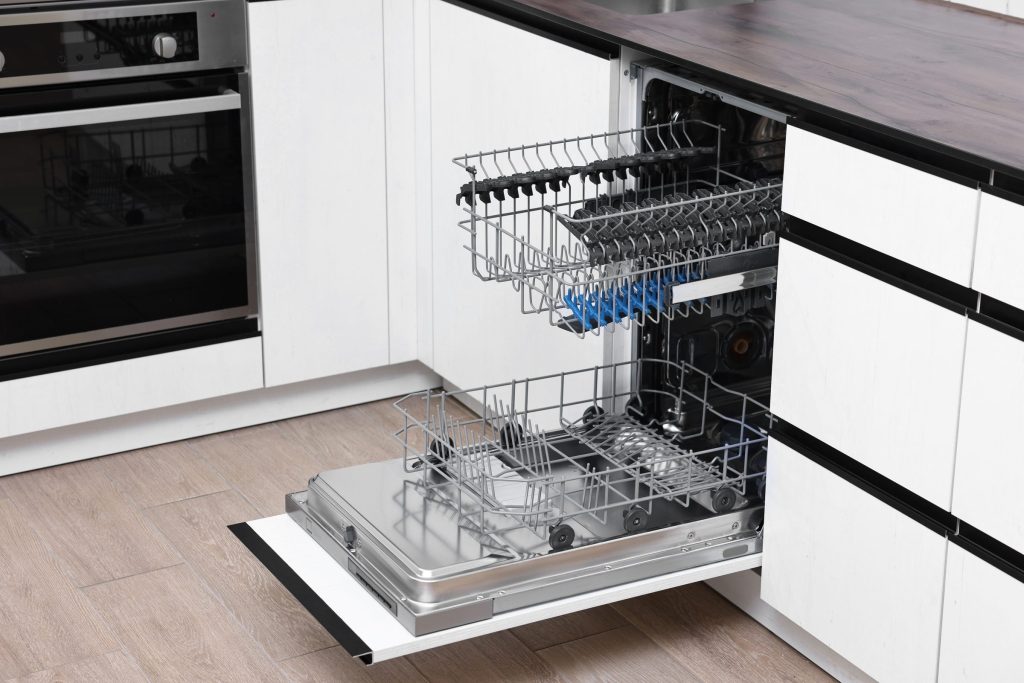
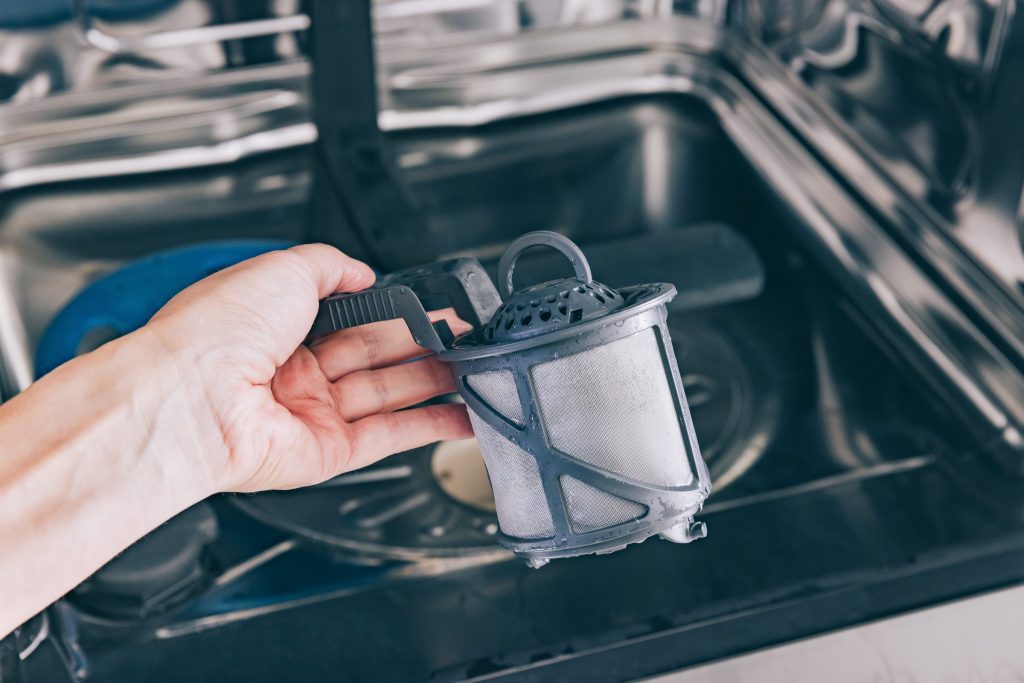
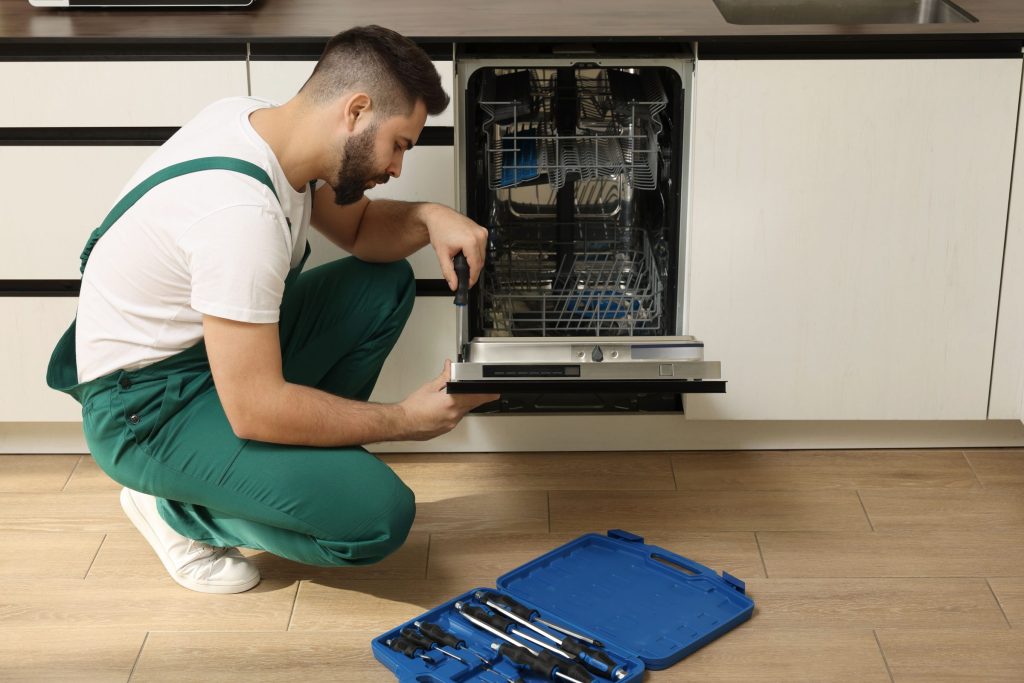
- Dishwashers. Draining, the leak protection tripping, scale, and a great deal of drying that was never a failure
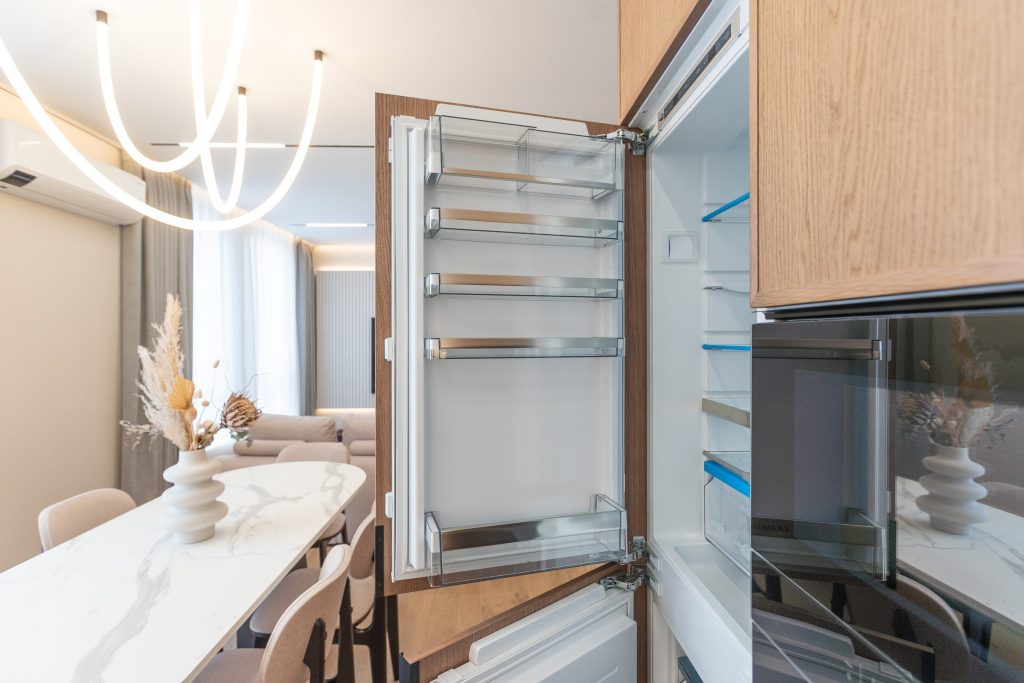
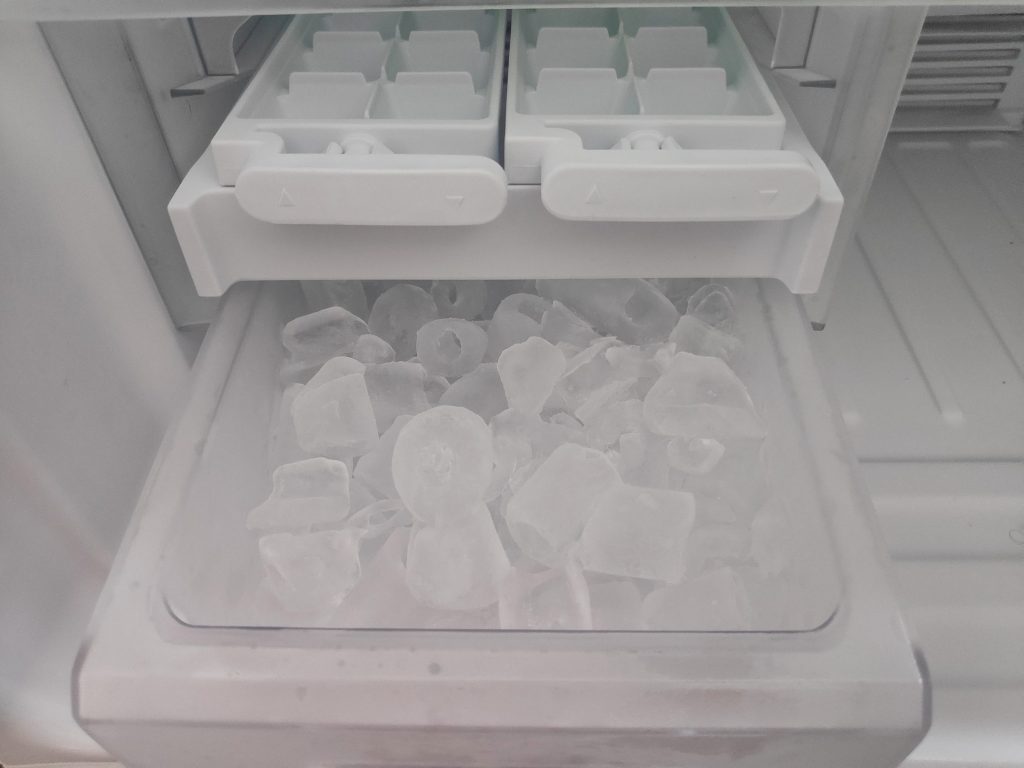
- Refrigerators. Temperature drift, ice production, dispensers — diagnosed by behavior, because this equipment publishes almost no codes
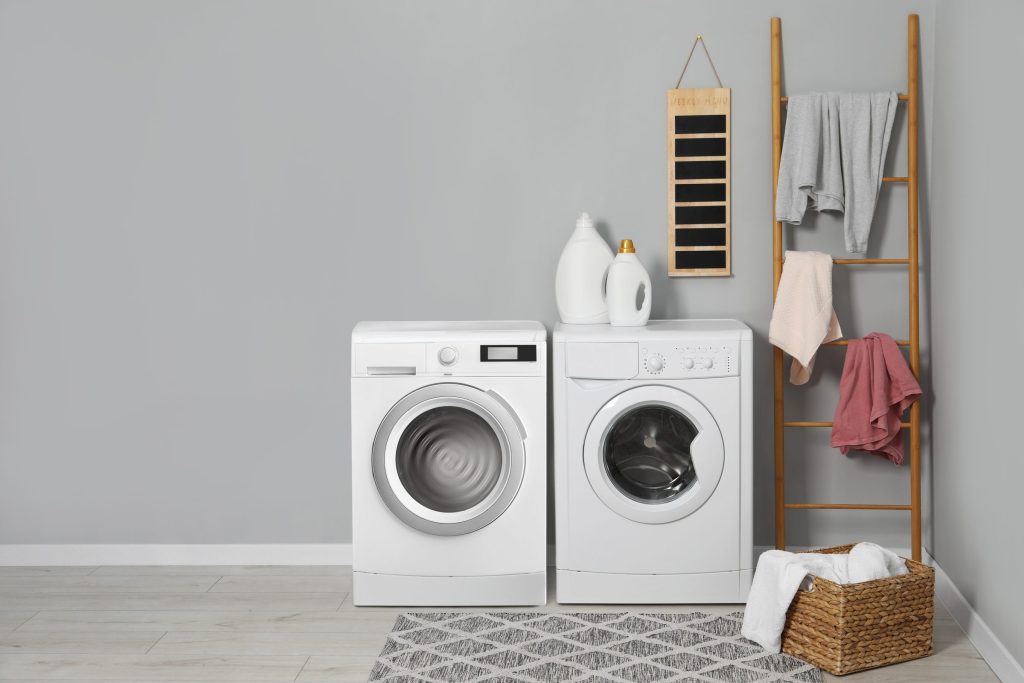
- Washers. Blocked drains, supply and pressure, foam, and loads that will not balance in a small drum
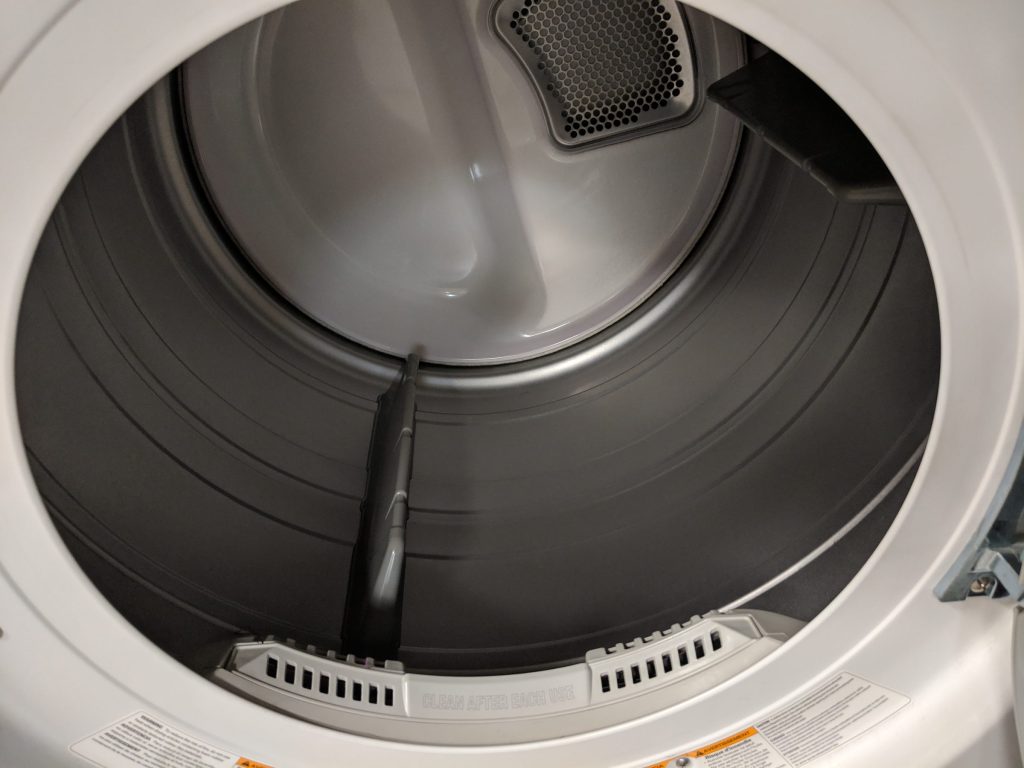
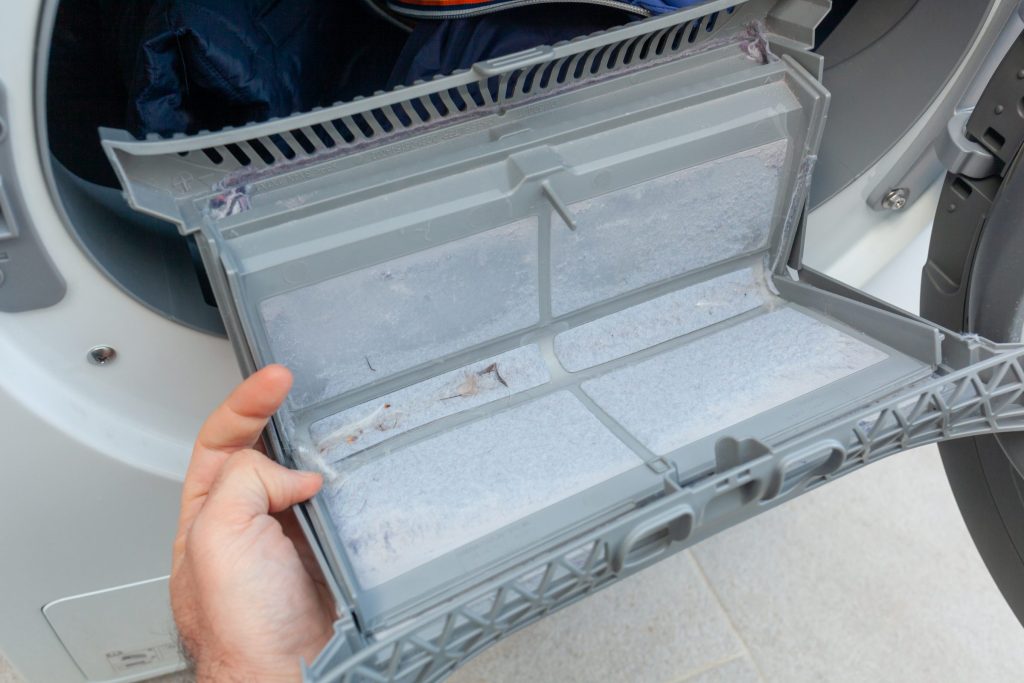
- Dryers. Air path before heating circuit, because these are condensation machines rather than vented ones
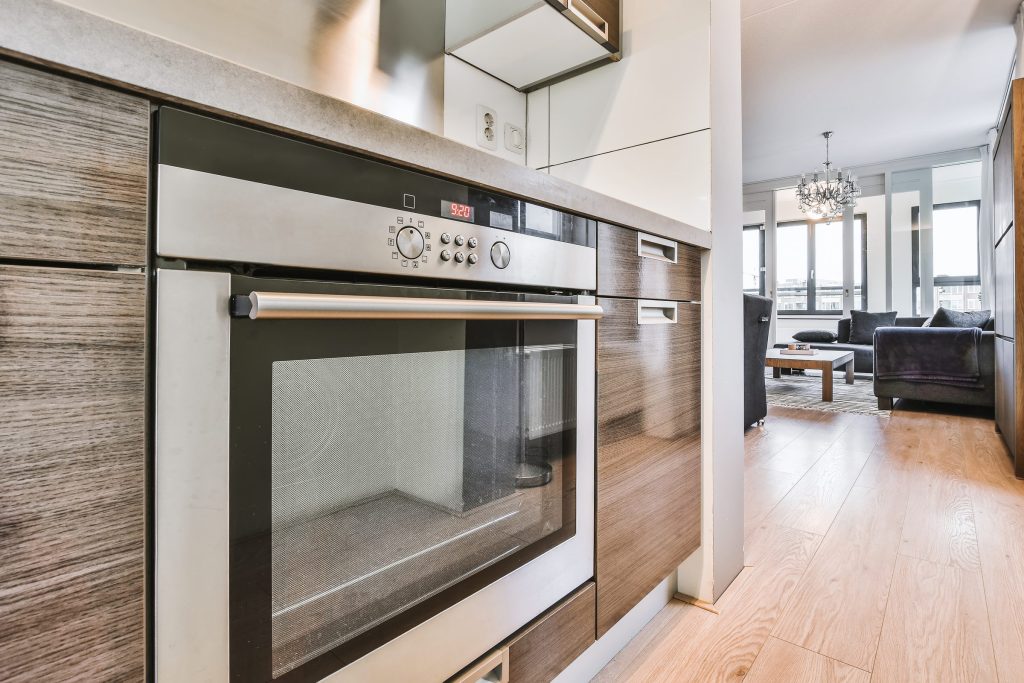
- Wall ovens. Sensors, door locks after self-clean, touch panels and boards
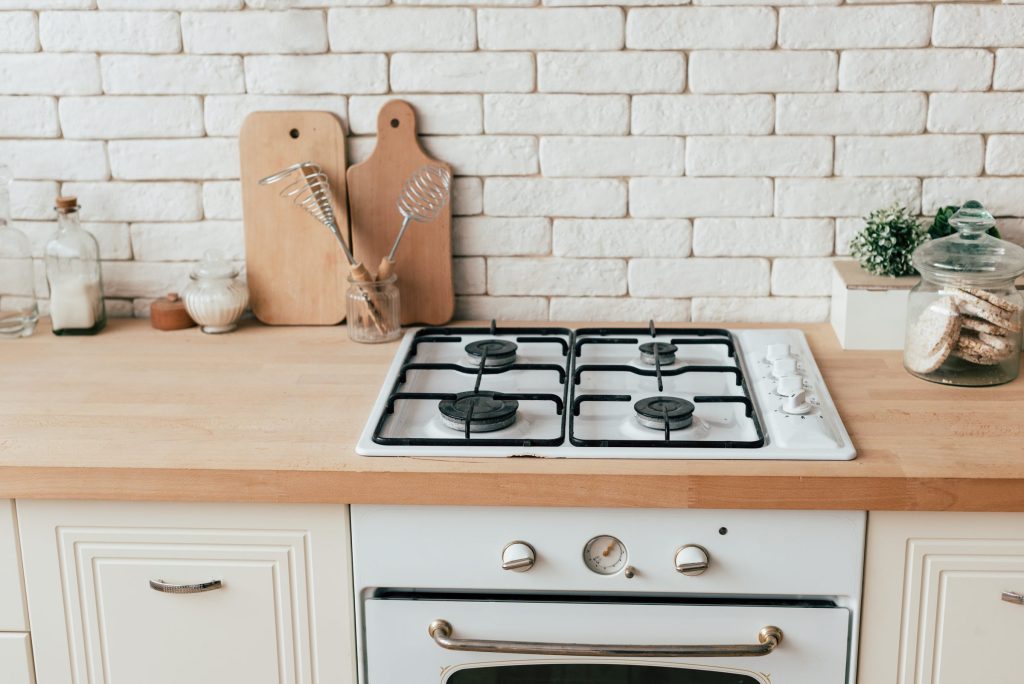
- Ranges. Which half — the top or the oven — and everything follows from that
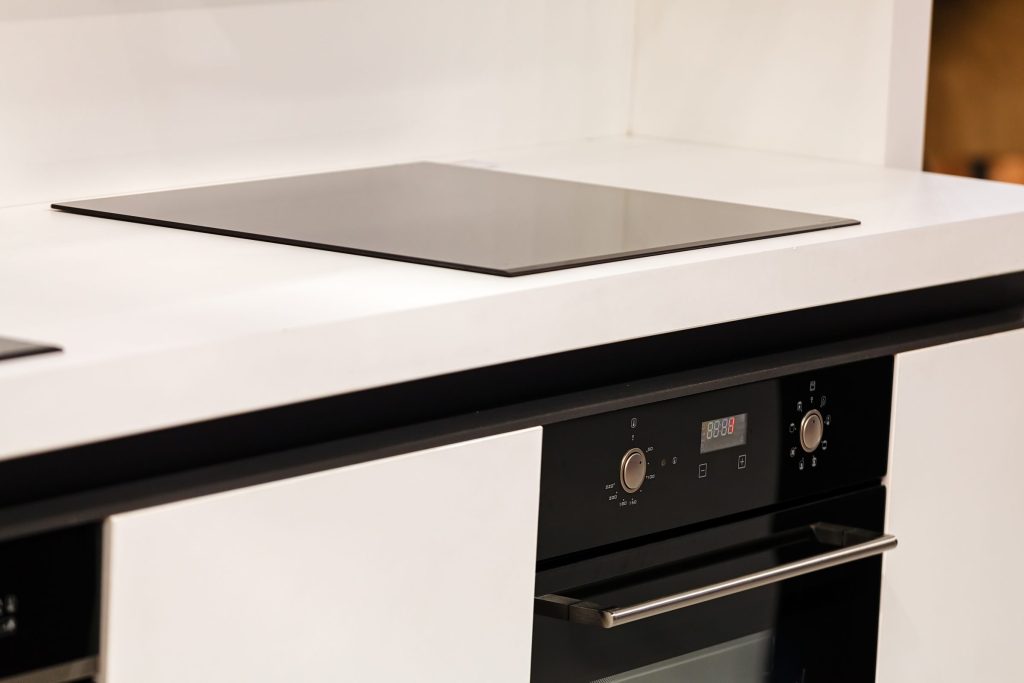
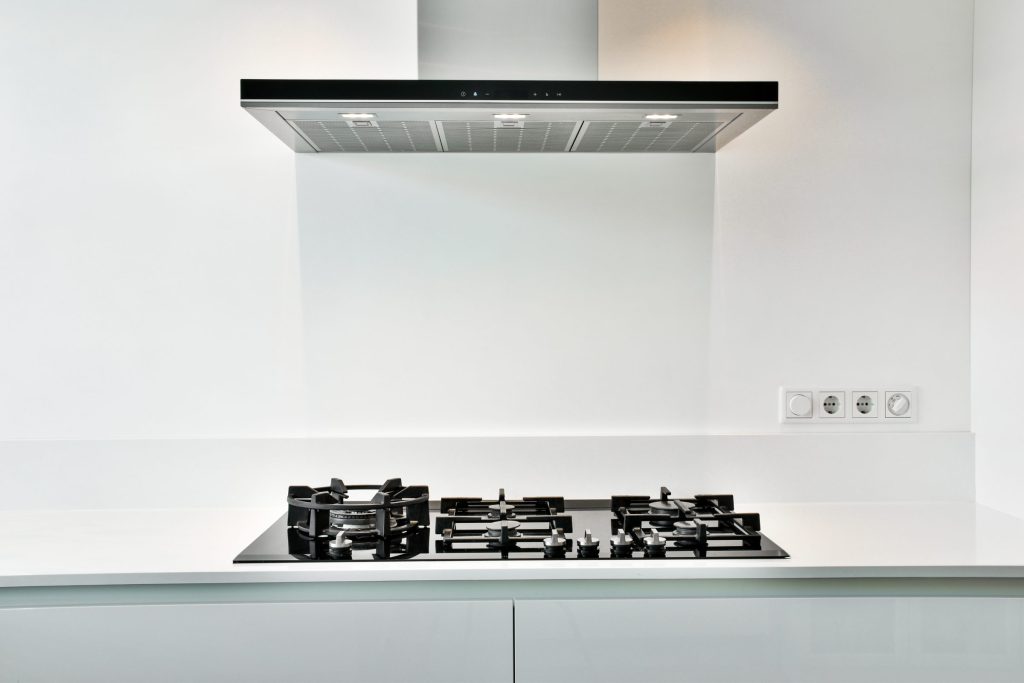
- Cooktops. Mostly the protections doing their job: overheat, time limit, panel lock, supply voltage
- Hoods. Motor, light, filters, ducting. A short list and a quick visit
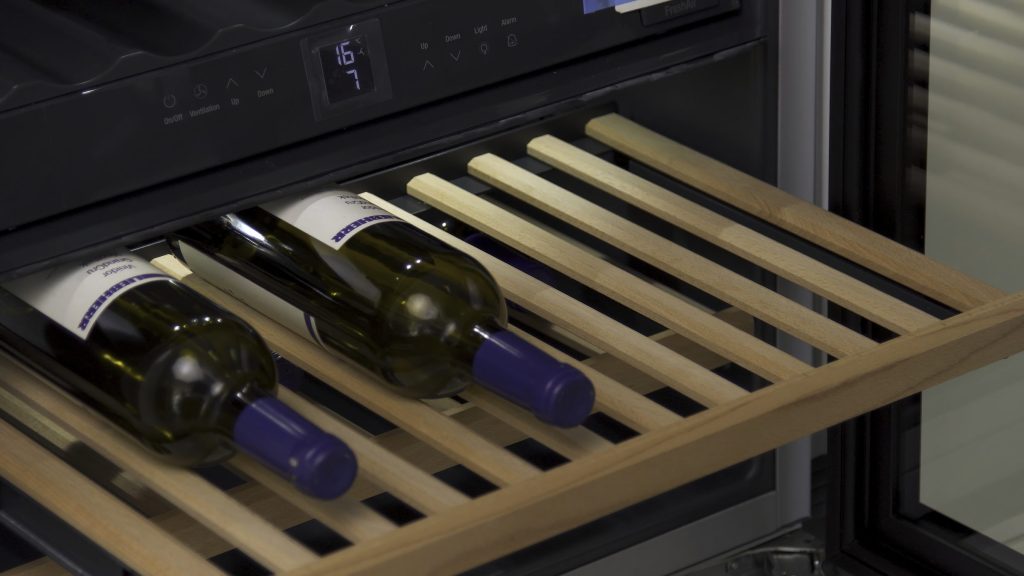
- Wine storage. A drawer inside the refrigerator, so usually a refrigerator question
Series and what they change
The 100, 300, 500 and 800 Series and Benchmark run through most of the catalog. They are not trim levels in the sense of paint and badges — they change the components. A drying system that exists on one and not the other, a third rack, an induction top instead of radiant, a different control board. When you tell us the model number, that is what we are reading out of it.
Model numbers
The plate is on the door edge of a dishwasher, on the inner frame of a refrigerator, on the door collar of a washer or dryer, and behind the door or on the frame of a wall oven. A photograph of it is enough — it tells us the series, the configuration and which parts fit, before anyone drives anywhere.