Safety & Risks
Mold on a Door Seal: Cleaning It, and Why It Comes Back Here
Clean it with warm water and a mild detergent, or a solution of one part white vinegar to four parts water, using a soft brush along the folds of the seal. Dry it thoroughly afterwards. Avoid bleach as a routine — it degrades the rubber and the seal is what stops the appliance leaking. If black staining remains after cleaning, the growth is in the rubber rather than on it and the gasket needs replacing, which is a modest repair on either appliance.
The full guide
How do you get mold off a rubber seal on a refrigerator? Why this is a South Florida page
Somewhere with dry air, a door seal dries out between uses and nothing grows on it.
Here, three things line up. The ambient humidity rarely drops far. A front-loading washer holds a small amount of water in the fold of its seal by design, to stop the rubber drying and cracking. And laundry in this market is usually in a closed closet off a hallway with no window and no extractor.
So the seal never dries. That is not a housekeeping failure — it is a climate meeting a design, and it is why the same machine behaves differently here than it did wherever its owner had it before.
Where it actually grows. Not on the flat face of the seal that you can see, but in the folds — the channel behind the lip on a washer, the underside of the lip on a refrigerator, and the bottom corners of both, where water collects and no airflow reaches. Cleaning the visible face and stopping is why people think it came back in a week.
Cleaning it
On a washer:
- Pull the rubber fold back gently, all the way round. There is more of it than you expect.
- Warm water with a mild detergent, or one part white vinegar to four parts water, on a cloth.
- A soft brush — an old toothbrush is right — along the channel and into the bottom corners.
- Wipe dry with a towel.
- Run a hot empty drum-cleaning cycle afterwards.
On a refrigerator:
Same solution, same brush, along the underside of the gasket and into the corners. Then check what put the moisture there in the first place — a seal that is condensing that much is often a seal that is no longer sealing.
Do the paper test while you are there: close the door on a sheet of paper and pull. It should drag, everywhere around the frame.
What not to use
Bleach, routinely. It works on the staining and it degrades rubber. A gasket that has been bleached repeatedly hardens, stops conforming to the door frame, and begins to leak — which is a considerably worse problem than a mark. Diluted, on a cloth, once, for a stubborn patch is a reasonable exception.
Anything abrasive. Scouring pads and powders scratch the surface, and a scratched seal holds more water and more growth than a smooth one.
Undiluted vinegar as a routine. Fine occasionally; acidic enough to be worth diluting for regular use.
Stopping it coming back
This is the part that matters, because cleaning is easy and it is temporary.
- Leave the washer door ajar between washes. An inch is enough. In a closed closet in this climate it is the single most effective thing on this page.
- Leave the detergent drawer ajar too, for the same reason.
- Wipe the seal after the last wash of the day. Fifteen seconds.
- Use less detergent. Residue in the seal is food. A compact high-efficiency drum needs a fraction of what the bottle suggests.
- Run a hot cycle monthly. Cold washing is kind to fabric and it never gets the machine hot enough to clear its own plumbing.
When the seal is finished
If black spots remain after a proper clean, the growth has gone into the rubber. Nothing reverses that, and continuing to scrub it only wears the surface.
Replacing a door gasket is a modest repair on both a washer and a refrigerator. It is worth doing at that point rather than later, because a seal that has been damp and repeatedly cleaned is a seal on its way to hardening — and a hardened refrigerator gasket, in this humidity, quietly becomes a compartment that will not hold temperature.
The version of this nobody expects: a dishwasher. Residue collects along the bottom lip of the door, where water never reaches, and it is the usual answer to "why does my dishwasher smell". Wipe it with a cloth and see what comes off.
The three appliances this happens on, ranked
The washer, by a wide margin. Wet after every cycle by design, in a closet that never dries. Everything on this page was written with this one in mind.
The dishwasher, second and differently. Not the door seal so much as the bottom lip of the door and the channel behind it — an area water never reaches during a cycle, where residue collects and sits warm. It is the usual answer to "why does my dishwasher smell", and almost nobody wipes it.
The refrigerator, third and most consequential. Less growth, more damage. A gasket that is damp continuously hardens, and a hardened gasket stops sealing, and a compartment with a seal that does not touch pulls humid Florida air in continuously. That shows up as frost on the evaporator and a refrigerator that will not hold temperature — which is a far larger problem than a mark on rubber.
Two minutes of prevention, per appliance
- Washer: wipe the fold after the last wash of the day; leave the door and the drawer ajar; run a hot empty cycle monthly; halve the detergent.
- Dishwasher: wipe the bottom lip of the door with the rest of the kitchen; clean the filter monthly; run one hot cycle a week rather than only eco.
- Refrigerator: paper-test the seal every few months; clean the gasket with warm water when you clean the shelves; check the door closes without being pushed.
Why the products aisle is mostly beside the point
There is a whole category of appliance-cleaning products aimed at this, and they are not useless. They are also not the mechanism.
Growth needs moisture, warmth and something to eat. This climate supplies the first two whatever you buy, and the third is detergent residue and food film. Removing the residue and letting the surface dry deals with all three. A product that does the first part but is used in a closet that stays shut is treating the symptom on a schedule.
The one product genuinely worth having is a soft brush.
If it turns out to be a repair
What this leads to, and what it costs
Every job on this site is priced the same way: an on-site diagnostic first, the figure agreed in writing before anybody starts.
-
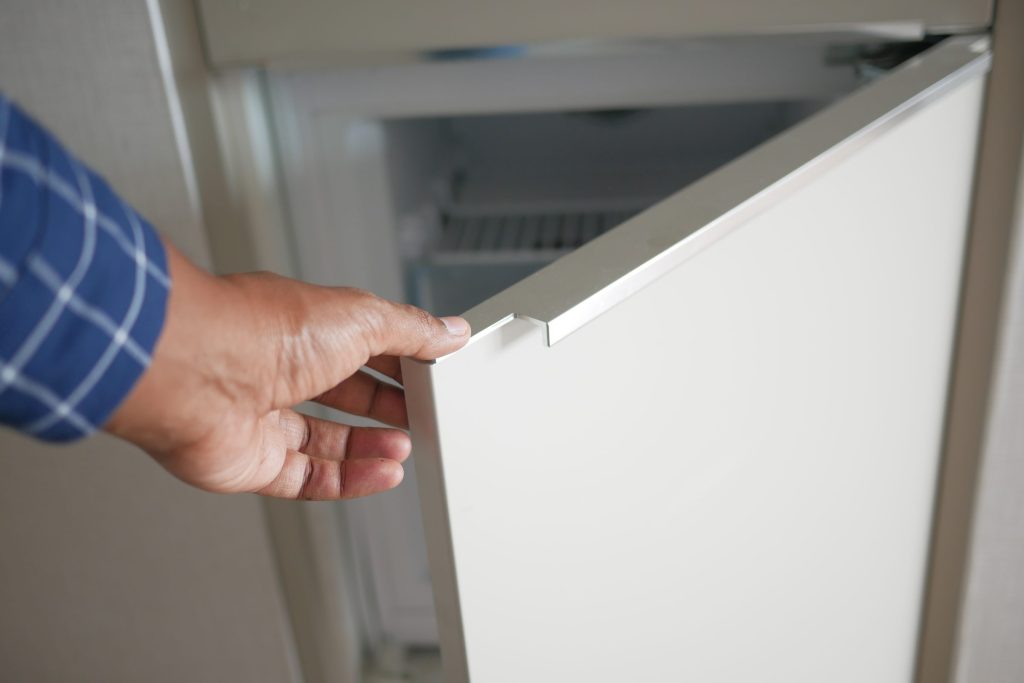
from $135 Door seal & hinge repair
Seals that have hardened, doors that no longer sit square, and hinges that have given up. Cheap to fix and expensive to ignore — a door that stopped sealing properly is behind a surprising number of complaints that sound like something else.
- Gaskets and door seals
- Hinges, springs and cables
- Doors realigned rather than replaced
-
Almost always maintenance Dishwasher smells
A smell when the door opens, or one that arrives on the dishes. Rarely a repair, usually a filter, and occasionally a drain hose installed in a way that lets the sink back into the machine.
- A stale smell when the door opens
- A smell that transfers to clean dishes
- Worse after the machine sits unused
-
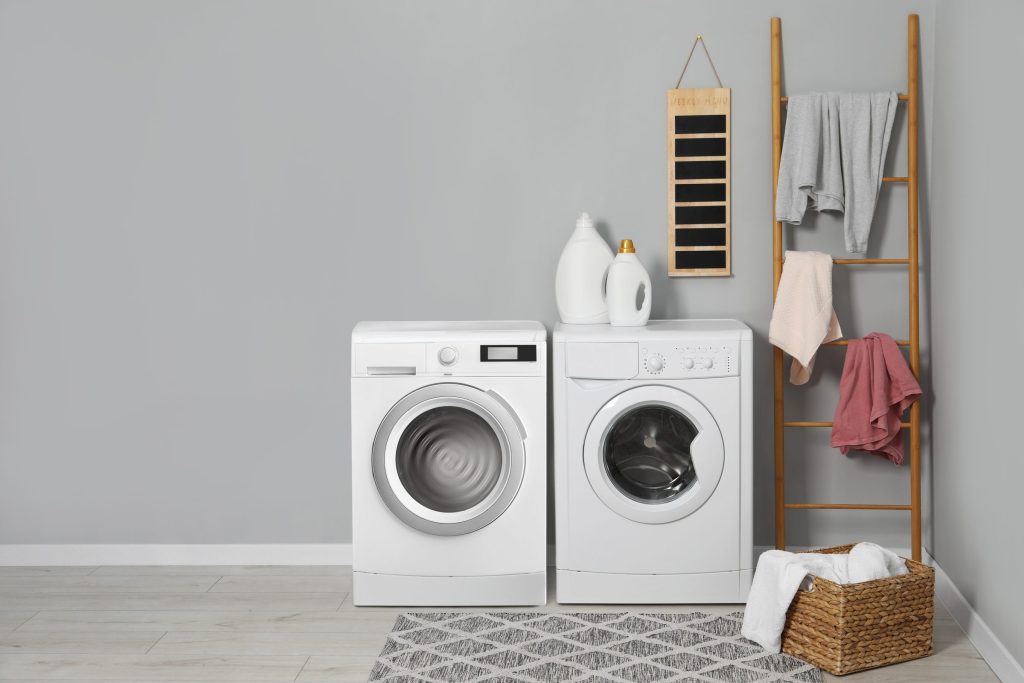
24" compact · stackable Washers
Bosch laundry in this market is almost always the 24-inch compact pair, stacked in a closet or tucked under a counter. That is a different machine from a full-size American washer and a different job to reach — and it is why so much of what we are called out to here is a drain, a filter or a load that will not balance.
- Will not drain or will not spin
- Stopping mid-cycle on a code
- Walking, banging or refusing to balance

Questions people ask about this
Is it dangerous?
For most people it is unpleasant rather than hazardous, and it should still be dealt with — a seal that is growing something is a seal that has been damp continuously, and continuous damp shortens its life. Anybody in the house with asthma or a mold allergy has a better reason to be prompt.
Why does mine come back within weeks?
Because the conditions have not changed. Humidity at seventy percent, a closed laundry closet with no ventilation, and a seal that holds a little water by design. Cleaning removes what grew; leaving the door ajar between washes is what stops it growing again.
Can I use bleach?
On a stubborn patch, diluted, on a cloth rather than poured in, once. Not as a routine. Bleach is hard on rubber and on the seals downstream of it, and a door gasket that has been bleached repeatedly hardens and stops sealing — which turns a cosmetic problem into a leak.
It is on the washer, not the fridge. Same thing?
Same organism, different cause. A washer seal is wet after every cycle by design; a refrigerator seal gets damp from condensation. The washer is the more common of the two here by a wide margin, and it is the one where leaving the door open genuinely fixes it.
The staining will not come off at all.
Then the growth is in the rubber rather than on it and no amount of cleaning reverses that. Replacing the gasket is a modest repair on both appliances, and it is worth doing before a hardened seal starts leaking as well as staining.
Safety & Risks
More guides like this one
-

Is Vinegar Safe in a Bosch Dishwasher? What It Does to the Seals
The internet's favorite dishwasher remedy, tested against what the machine is actually made of. Where vinegar genuinely helps, where it does slow damage, and what to use instead in hard water.
Read more -
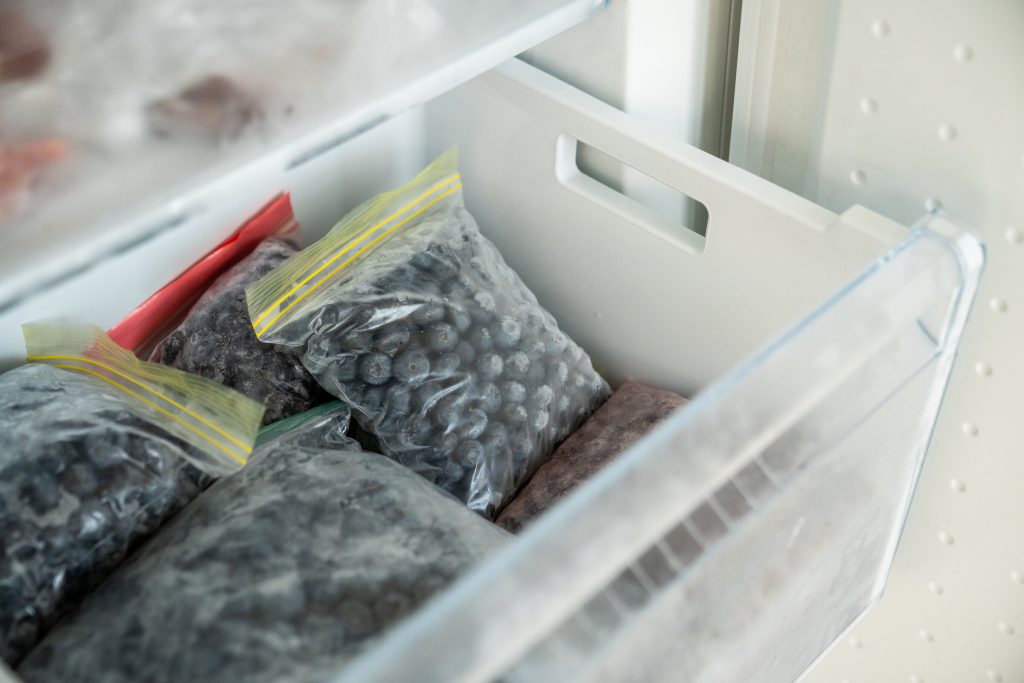
How Long Food Stays Safe When the Power Goes Out in South Florida
Four hours in the refrigerator, forty-eight in a full freezer — and both of those assume a house at room temperature, which is not what an August outage here looks like. What to do before, during and after.
Read more -
Can a Kitchen Appliance Start a Fire? The Honest Answer, and What Storm Season Changes
Rare, real, and concentrated in specific conditions — a surge-damaged board, a dryer with no airflow, a compressor relay. What actually raises the risk here, and the four warning signs that mean stop today.
Read more
Tell us the model number and what it is doing.
This article is based on:
- Official manufacturer documentation
- Internal repair procedures
- Technician repair history
- Company quality standards