
Cost Expectations
What It Costs to Fix a Refrigerator That Is Not Cooling
A refrigerator that is not cooling has five common causes and they span an order of magnitude. A condenser packed with dust is a cleaning visit. A door seal, an evaporator fan or a defrost component sits in the low hundreds. The sealed system is $600 to $1,400 nationally, and compressor replacement $700 to $1,250. In South Florida the cheapest cause is also the most likely, which is why a diagnostic that rules the others out first is worth more here than the fee it costs.
The full guide
How much does it cost to fix a fridge not cooling? Why one question has five prices
"My refrigerator is not cooling" describes five different repairs, and the cheapest costs about a twentieth of the most expensive.
Any figure quoted before somebody has looked has to guess which one you have. That is the entire reason this page exists, and the reason a diagnostic is worth its fee on this particular symptom more than on any other.
Here they are, cheapest first — which is also, in South Florida, roughly most likely first.
1. A condenser that cannot shed heat
The cheapest, and the most common here.
The condenser is where the heat taken out of the food is handed to the room. Furred with dust inland, corroded within a few blocks of the water. When it cannot shed heat, the compressor runs longer and longer for the same result — and eventually never catches up.
In this climate the appliance is already working against a warmer kitchen for more months of the year than it was designed around. A neglected condenser on top of that is the single most common route to a warm refrigerator.
Cost: a maintenance visit. And it is the outcome we most like reaching.
2. A door seal that has given up
Humid air pulled continuously past a tired gasket condenses inside, frosts the evaporator, and shows up as a compartment that will not hold temperature.
It is a sealed-system-shaped complaint with a gasket-shaped cause, and in a climate at seventy percent humidity it is far more consequential than it sounds.
Test it yourself: close the door on a sheet of paper and pull. It should drag. Every foot around the frame, corners included.
Cost: low hundreds, and among the more satisfying repairs there is.
3. An evaporator fan that has stopped
On most designs the freezer is cooled directly and the fresh food compartment gets its cold air from there. If the fan moving that air stops, the freezer stays cold and the refrigerator does not — which is why that split is the most useful thing you can tell us.
Cost: low hundreds.
4. A defrost circuit that never completes
Frost builds on the evaporator until air cannot pass through it. Slow onset over weeks, usually with the freezer still fine, sometimes with a scraping noise as the fan meets ice.
Cost: low hundreds, depending on which component.
5. The sealed system
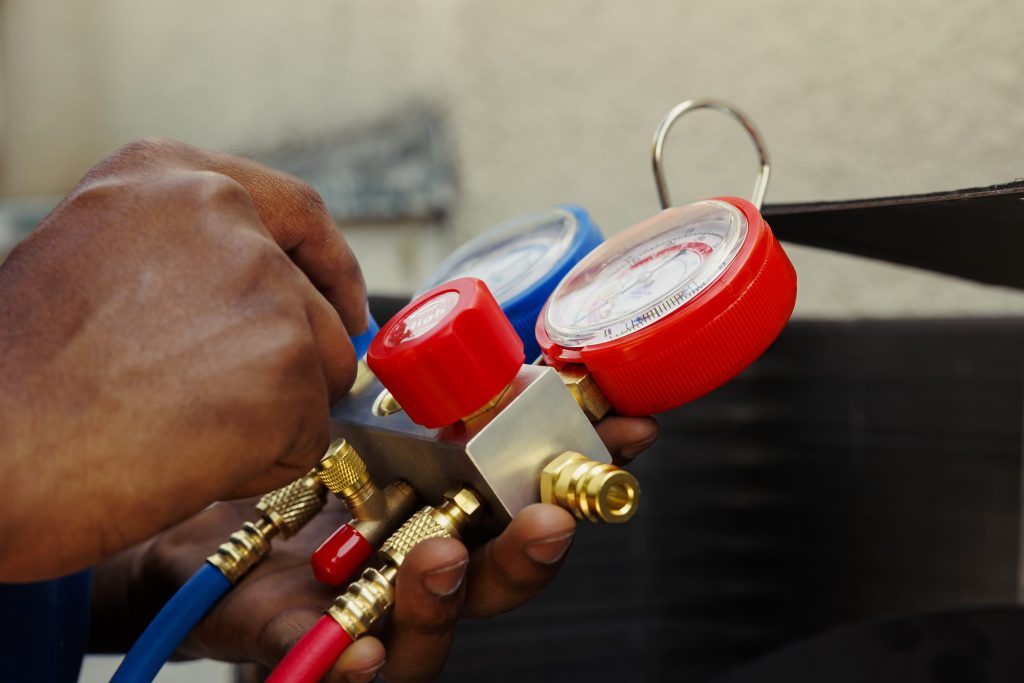
The compressor, condenser, evaporator and the refrigerant circuit joining them. $600 to $1,400 in the published national ranges, with compressor replacement at $700 to $1,250.
This one does not get cheaper because the badge is mainstream: leak detection, recovery, a repair, a new filter drier, evacuation and a correct charge take the same hours on any refrigerator, and the refrigerant costs what it costs.
What points here rather than at the four above: a compressor running almost continuously with the cabinet never reaching temperature, or frost patterns suggesting a partial restriction. What does not point here: a warm fridge with a cold freezer, which is nearly always airflow.
How to tell whether a quote skipped the cheap ones
Ask what was ruled out first.
A diagnosis that arrives at the sealed system without having looked at the condenser, the fans, the door seals and the defrost circuit has four cheaper answers still on the table. That is not an accusation of dishonesty — it is often just a short visit — but it is the right question, and the answer to it is worth more than a second quote.
The measurement to have before you call
Put a glass of water with a thermometer in it on a middle shelf overnight, and a small container of cooking oil with one in the freezer. In the morning, read both without leaving the door open.
Two numbers and the set points beat any description. They tell us which of the five we are probably looking at before anybody drives anywhere, and occasionally they tell us the refrigerator is fine and the problem is something else entirely.
What you can establish before anybody quotes
Four observations, all free, that together narrow five causes to one or two.
Two temperatures, overnight. A glass of water in the fresh food compartment and a small container of oil in the freezer, each with a thermometer in it. Read them in the morning.
Which compartment. Warm fridge with a cold freezer is airflow. Both warm is the system. That one distinction is worth more than any description of the noise.
How long it has been happening. Overnight is a different story from three weeks. Sudden failures point at components; slow drift points at the condenser, the seals or the charge.
What changed. A power cut, a house set back for the season, a kitchen renovation, a refrigerator pushed back after cleaning behind it. Every one of those has a specific consequence and they are the cheapest leads there are.
Two things that make this worse in this market and nowhere else
Air conditioning set back in an empty house. A refrigerator in a kitchen held at 82 degrees is working against a much larger temperature difference than the same appliance at 72. Everything still functions; everything runs longer; a marginal condenser tips over. In a seasonal home nobody is there to notice the drift, so the first reading anybody takes is months late.
Salt, within a few blocks of the water. Condenser coils and fan motors corrode years ahead of a schedule written for a dry climate. It is why "cleaning is seasonal here rather than annual" is a sentence on nearly every page of this site — on the coast it is genuinely a different maintenance interval, not a marketing line.
What we would not do
Quote a sealed system over the phone. It is the most expensive item on the page, the four cheaper causes produce the identical complaint, and in this city the cheapest of the five is the most likely one.
If somebody has quoted you sealed-system work without opening the grille, that is the question worth asking before the money.
If it turns out to be a repair
What this leads to, and what it costs
Every job on this site is priced the same way: an on-site diagnostic first, the figure agreed in writing before anybody starts.
-
from $600 Refrigerator sealed system repair cost
The one figure on this site that does not follow the brand. Sealed system work is hours of skilled labor and recovered refrigerant, and it costs the same on a mainstream refrigerator as on a luxury one.
- Published range $600–$1,400
- Everything cheaper ruled out first
- Compressor replacement $700–$1,250 where it comes to that
-

Diagnosed by behavior Refrigerator not cooling
A refrigerator running warm, cooling unevenly, or holding overnight and drifting by day. This equipment publishes almost no codes, so what it is doing matters more here than on anything else on this site.
- One compartment warm, the other fine
- Compressor running almost constantly
- Frost building at the back of the freezer
-
from $145 Maintenance & descaling
The visit that stops the other pages happening. In a city with hard water and a lot of heat, descaling a dishwasher and cleaning a condenser are not housekeeping — they are the two cheapest repairs on this site, done early.
- Dishwasher descaling before it costs the heat pump
- Condenser and coil cleaning
- Filters across the whole kitchen and laundry

Questions people ask about this
There is no error code. Is that unusual?
Not on this brand. Bosch publishes three error entries for its entire US refrigeration line, so this diagnosis is made with temperatures, run times and pressures rather than with a display. That is normal for this equipment rather than a sign something is broken beyond reporting.
The freezer is fine and the fridge is warm.
That split is genuinely useful and it usually means air is not moving between the compartments — an evaporator fan, or a defrost circuit that has iced over. It is rarely the compressor, which is the good news in that sentence.
How do I know a quote for sealed system work is honest?
Ask what was ruled out first. A sealed system diagnosis that did not begin with the condenser, the fans, the door seals and the defrost circuit is a diagnosis with four cheaper answers still on the table.
Is it worth repairing at that price?
On a refrigerator with nothing else wrong, usually. Where it is not — a second major failure visible, or a repair approaching what the unit is worth — you hear that on the visit rather than after.
Could seasonal cleaning have prevented it?
Often, honestly. A condenser working against a warm kitchen for years is the most common route to expensive refrigeration work in this climate, and cleaning it is the cheapest maintenance there is.
Cost Expectations
More guides like this one
-

What Each Bosch Error Code Actually Costs to Fix
People search a price against a code, and almost nothing answers that pairing honestly. Here is what the common codes cost — including the several where the honest answer is the visit and nothing else.
Read more -

What an Appliance Service Call Costs in South Florida, and What It Buys
The market rate here, what a credited diagnostic actually means, and how to read the two kinds of quote that arrive without one — the padded figure and the one nobody intends to honor.
Read more -

Is It Worth Repairing a Bosch Washing Machine? How the Math Actually Works
A 24-inch compact washer inverts the usual advice: it costs more to replace than a full-size machine and less than most to repair. Bearings are the line where that stops being true.
Read more
Tell us the model number and what it is doing.
This article is based on:
- Official manufacturer documentation
- Internal repair procedures
- Technician repair history
- Company quality standards