Common Problems
Why Your Bosch Dishwasher Leaves Plastics Wet — and When It Is Actually a Problem
A Bosch dishwasher has no exposed heating element in the tub. The final rinse leaves the load hot, moisture moves to the cooler stainless steel walls and drains away. Glass and steel come out dry because they hold heat; plastic does not, so it stays wet. That is the design working, not a failure. It becomes a repair when the glassware is also wet, when the dishes are dirty as well, or when drying has clearly got worse than it used to be.
The full guide
Why does my Bosch dishwasher not dry my dishes? The one check that settles it
Open the door at the end of a cycle and look at the glassware, not at the plastic containers.
If the glasses and the stainless steel come out dry and only the plastic tubs and lids are wet, your dishwasher is working exactly as it was designed to. There is nothing to repair, nothing to adjust, and nobody needs to come out.
That sounds like a brush-off, so it is worth explaining why it is true.
This is the most common call we take on this brand. More than drains, more than leaks, more than anything with a code attached. It is not because the machines are unreliable — it is because they dry in a way that is genuinely different from the dishwasher most people had before.
What condensation drying actually is
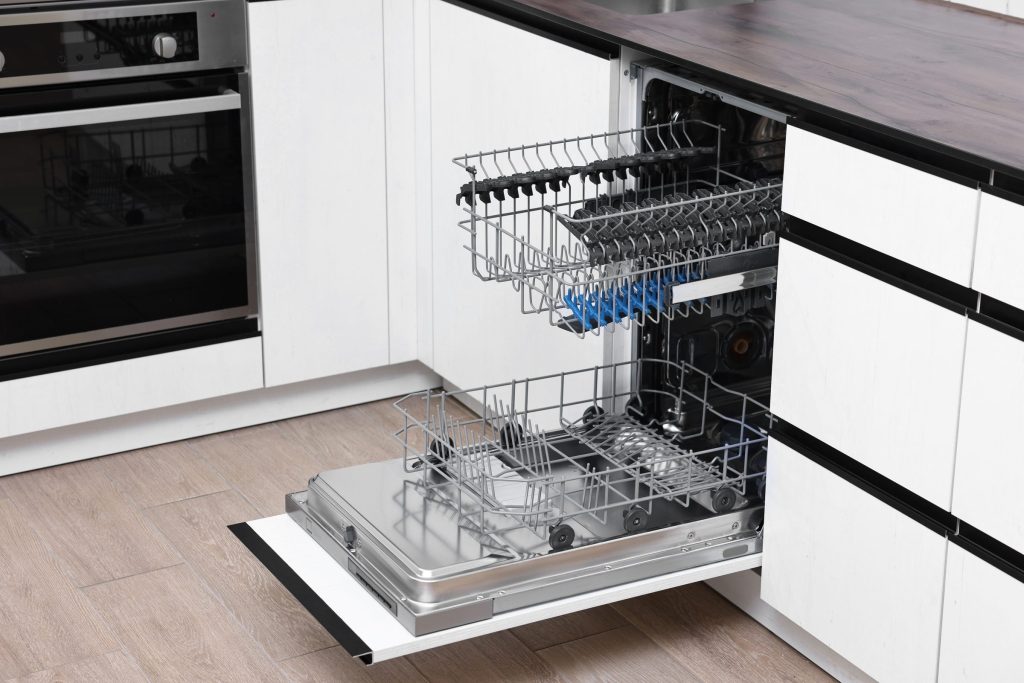
There is no exposed heating element in the bottom of a Bosch dishwasher. Look in the tub: on most machines you will find a filter, two spray arms and a flat stainless floor, and nothing that glows.
The drying happens like this. The final rinse runs hot, which leaves everything in the machine hot — the dishes, the racks and the air. The stainless steel walls of the tub are in contact with the cooler kitchen outside and stay a few degrees below everything else. Water evaporates from the hot dishes, meets the cooler walls, condenses there, and runs down into the sump.
It is the same physics as a cold drink sweating on a summer afternoon, run backwards and put to work.
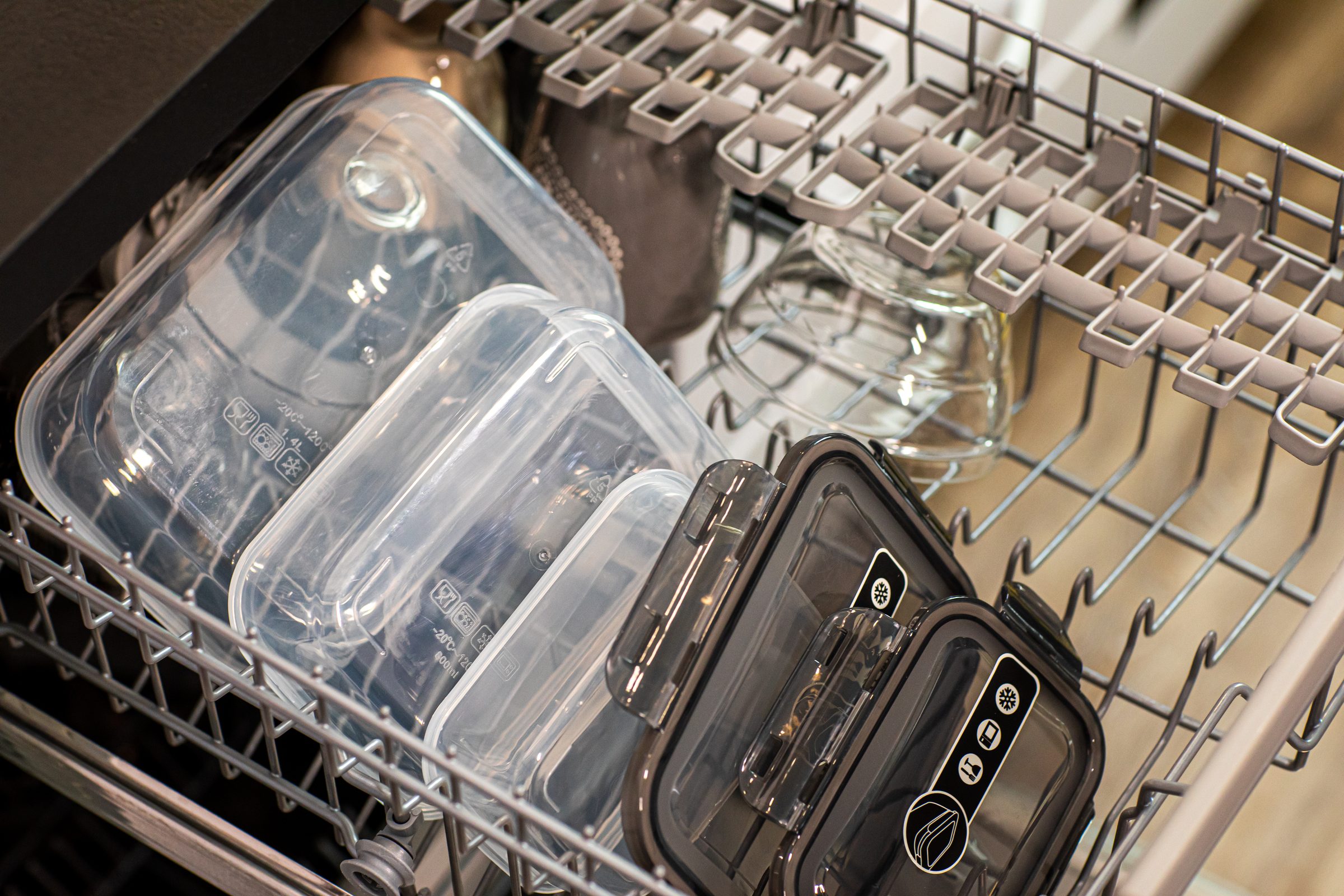
For that to happen, the dish has to be hot enough to drive its own water off. Glass and stainless steel are dense and hold a great deal of heat, so they come out of a cycle hot enough to dry themselves in the first few minutes. Plastic holds almost none. A polypropylene lid is at room temperature within seconds of the cycle ending and the water on it simply stays where it is.
Why the machine was designed this way
The trade is worth understanding, because it is not an oversight.
- It is quiet. A large part of the reason these machines run at 42 to 44 decibels is that there is no fan blasting heated air through the tub.
- Nothing melts. A plastic lid that slides off the top rack onto the floor of a Bosch comes out looking like a plastic lid. On a machine with an exposed element it comes out as a smell and an afternoon with a scraper.
- It uses much less electricity. Heating air to dry dishes is the most energy-hungry thing a dishwasher does, and this design skips it.
- It is gentler on stemware, which never sees the temperature swing an element-dried cycle puts it through.
The cost of all four is a wet yogurt tub. That was the deal.
The three things that genuinely improve it
Rinse aid, which is not optional here
The dispenser sits next to the detergent cup, and on this brand it is part of the drying system rather than a nice extra. Rinse aid lowers the surface tension of the water so it sheets off in a film instead of beading. Beads sit still and stay; a film runs off and drains.
If yours has been empty for a year — and on a machine where the light is small and easy to ignore, that is common — fill it and set the dial toward the higher end. The difference on the next cycle is usually obvious.
How the load is stacked
Anything that sits level holds a puddle. Cups, tubs, storage lids and small bowls placed flat all come out with water in them, and that water was never going to evaporate. Angle them. The upper rack tines exist for that and almost nobody uses them the way the designer intended.
Opening the door
Ten minutes ajar at the end of the cycle and the residual heat does the rest. On the newer machines the door pops open a couple of inches by itself for exactly this reason — if yours does that, it is not a broken latch.
The upper series and the mineral chamber
On the 800 Series and Benchmark there is an extra piece of hardware: a sealed chamber of mineral beads that give off heat when they absorb moisture, with a small fan that pushes that warmed air into the tub near the end of the cycle. It closes most of the plastics gap, which is the main practical reason to buy those series rather than the middle ones.
It is also a component, which means it can fail. When its fan or its heater goes, the machine tells you: both have their own published error codes. What you notice first is that drying has got worse while everything else about the machine is unchanged — and that is a real repair rather than the design.
When wet dishes ARE a problem
Three cases, and they are easy to tell apart from the normal one.
The glassware is wet too. If glass and stainless are coming out wet, the cycle is not getting hot, and the heat on these machines lives in the heat pump — a single assembly that circulates and heats at once. That is the expensive end of the dishwasher and it is worth diagnosing rather than guessing.
The dishes are dirty as well as wet. Same underlying story. Water that never reached temperature does not clean either, so the two symptoms arriving together point firmly at heat.
Drying has clearly got worse. Not "it never dried plastic" — it always did that — but "the glasses used to be dry and now they are not". Something changed, and on the upper series it is often the mineral chamber's fan or heater.
In this city there is a fourth case: scale. South Florida water is hard, and these machines publish an error code specifically for limescale building up inside the heat pump. Scale on the heating surfaces means less heat gets into the water, and less heat means worse drying and worse cleaning at the same time. Descaling promptly is a maintenance job. Ignoring the code for a year means replacing the assembly it was sitting in.
What we would do on a visit
If you have got this far and the glass is still coming out wet, the visit is short and specific: the water temperature at the end of the main wash is measured rather than assumed, the heat pump and its sensor are tested, and the machine is checked for scale before any part is proposed. On the upper series the drying fan and the chamber heater are tested separately, because they fail separately.
What we will not do is quote a heat pump over the phone because somebody said the dishwasher is not drying. On this brand, that sentence usually means the machine is fine.
If it turns out to be a repair
What this leads to, and what it costs
Every job on this site is priced the same way: an on-site diagnostic first, the figure agreed in writing before anybody starts.
-
Usually not a repair Dishwasher not drying
Plastics coming out wet is how these machines are designed to behave, and it is the single most common reason somebody books a repair on this brand that they do not need. Glassware coming out wet is a different matter.
- Plastics wet, glass and steel dry
- Everything wet, including glass
- Drying noticeably worse than it used to be
-
from $220 Dishwasher heating & drying repair
Cold water, cold dishes, or a cycle that never finishes. This is the one to read after the page explaining that wet plastics are normal — because everything coming out wet, or coming out dirty, is not.
- Heat pump and heating circuit
- The mineral drying system on upper series
- Glassware wet, not just plastics
-
100 · 300 · 500 · 800 · Benchmark Dishwashers
The appliance this brand is known for, and the one we are called out to most. Bosch dishwashers dry with condensation rather than a heating element and protect themselves with a leak sensor in the base, so two of the commonest complaints about them are the design working as intended — and two more are not.
- Water left standing in the tub
- E15 and the leak protection tripping
- Plastics coming out wet
-
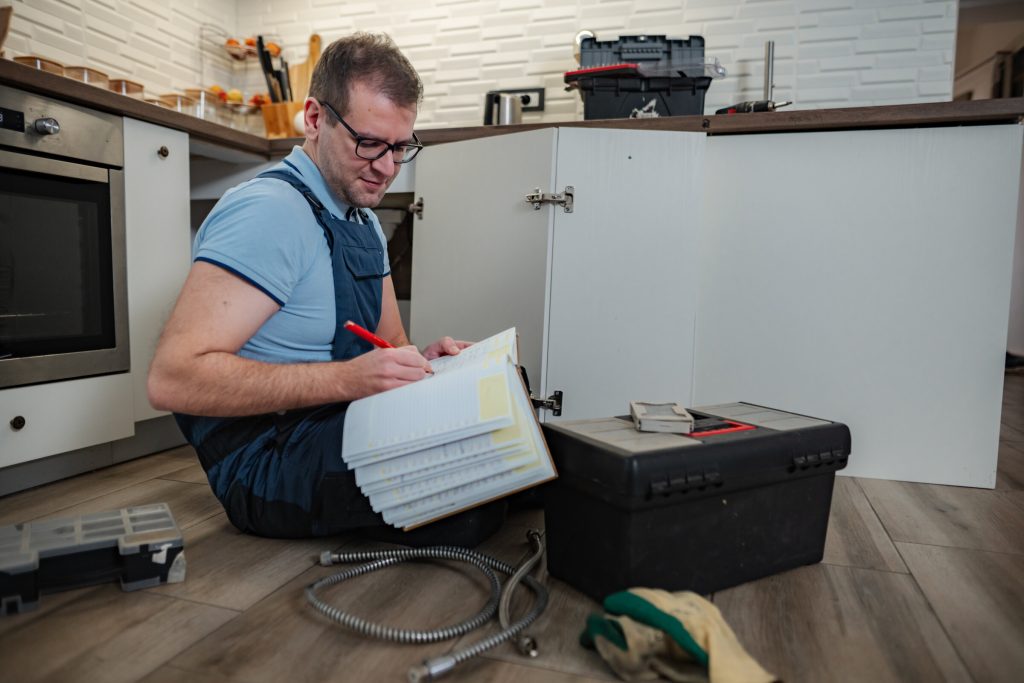
from $95 Diagnostic visit
We read the code, reproduce what the appliance is doing, and check the cheap causes before anything expensive is proposed. The fee is credited toward the work when you go ahead.
- Codes read and reproduced on site
- The inexpensive causes checked first
- Credited toward the repair

Questions people ask about this
My old dishwasher dried everything. Why does this one not?
Your old one had an exposed heating element in the base that baked the load dry. It also melted anything that fell onto it, used considerably more electricity, and ran hotter and louder. Condensation drying is the trade that was made, and it is why these machines are as quiet as they are.
Does rinse aid really make a difference?
A large one, and it is the first thing to try. Rinse aid makes water sheet off surfaces instead of beading on them, and the whole drying design depends on the water leaving rather than sitting. Fill the reservoir beside the detergent cup and set it toward the higher end.
What is the mineral drying system?
On the upper series there is a chamber of mineral beads that give off heat as they absorb moisture, with a small fan moving that air into the tub. It closes most of the plastics gap. It also has its own error code, so when its fan or heater fails the machine says so — and drying gets noticeably worse with nothing else changing.
Would you come out for wet plastics?
We would rather answer it on the phone. If the glass is coming out dry, you do not need us, and telling you that costs us a visit and keeps the relationship.
Will opening the door at the end help?
Yes, noticeably. Ten minutes ajar and the residual heat finishes the job. Many models now do this by themselves at the end of the cycle, and if yours pops its door open on its own, that is a feature rather than a hinge problem.
Common Problems
More guides like this one
-
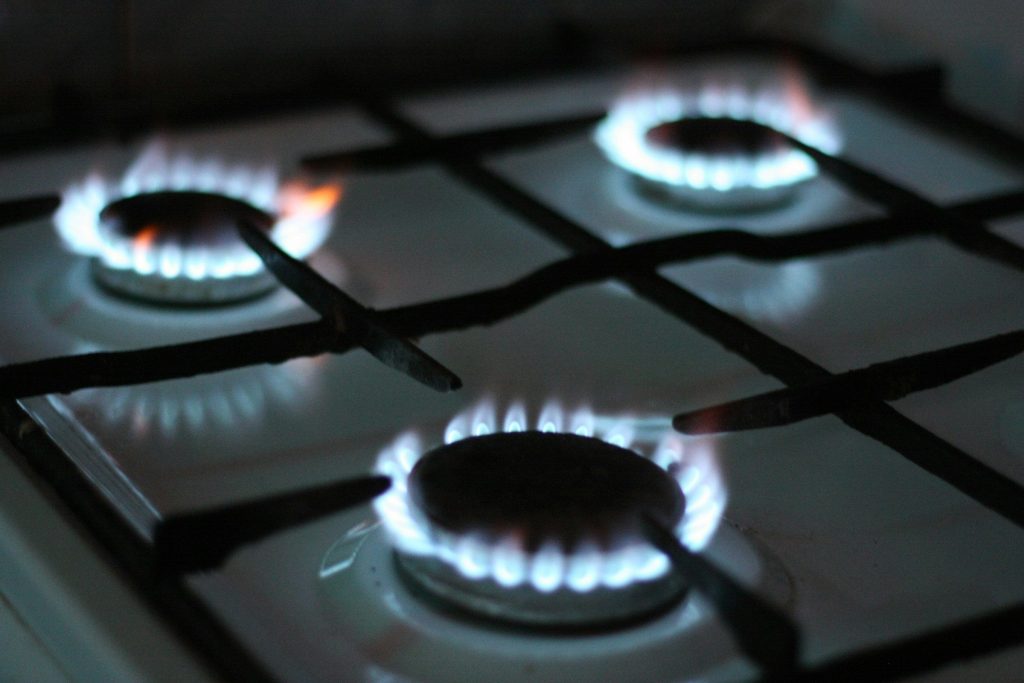
A Bosch Gas Burner That Keeps Clicking: What It Is Doing and How to Stop It
Clicking that carries on after the burner has lit, or with every knob turned off, is one specific and very fixable thing — and it is not the same problem as a burner that will not light at all.
Read more -

Bosch Wine Storage Is a Drawer, Not a Cabinet — and That Changes What Goes Wrong
There is no standalone Bosch wine cooler in the United States. Wine lives in a glass-fronted drawer built into a French-door refrigerator, sharing that refrigerator's cooling — which means a warm drawer above a healthy fridge is an air-distribution problem, not a compressor one.
Read more -
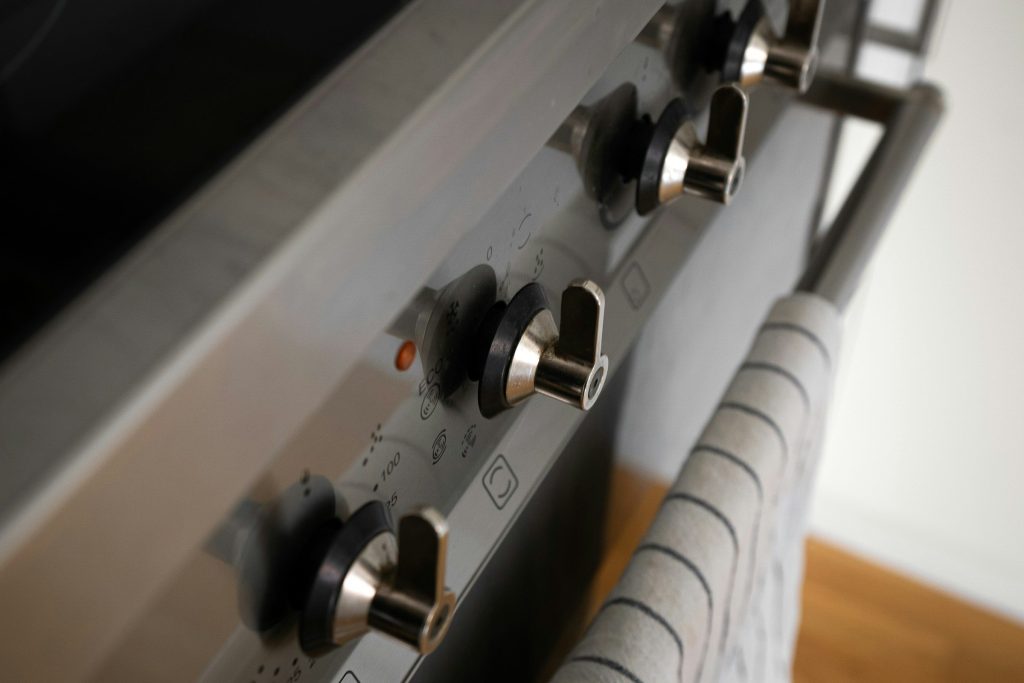
Your Bosch Oven Says SAFE: What It Means and How to Clear It
SAFE on the display is not an error and not a warning. It is the control lock, and it is switched on and off with a key you are probably looking at. Here is how to clear it, and how to tell it apart from the self-clean door lock, which is a different thing entirely.
Read more
Tell us the model number and what it is doing.
This article is based on:
- Official manufacturer documentation
- Internal repair procedures
- Technician repair history
- Company quality standards