Common Problems
Why a Bosch Dryer Stops Early, and What a Condensation Dryer Is Telling You
A Bosch compact dryer is a condensation machine: it cools its own exhaust, drops the water out and reheats what is left, so nothing goes outside. A cycle that stops after a few minutes is most often a full condensate tank or a blocked air path, not a failed heating element. The tank is a drawer at the front and fills every few loads. The lint filter can look perfectly clean and still pass almost no air, because fabric softener leaves a transparent film that seals the mesh.
The full guide
Why does my Bosch dryer stop after a few minutes? What this machine is doing that the last one did not
A vented dryer is simple: heat air, blow it through the clothes, push the hot wet result out through a duct in the wall. The moisture leaves the building.
A condensation dryer has nowhere to put it. So it heats air, blows it through the clothes, then cools that air until the water falls out of it, collects the water, and reheats what is left to go round again. Nothing is vented anywhere.
That design is the entire reason a laundry pair can live in a hallway closet in a Brickell tower with no exterior wall behind it. It is also the reason for almost everything on this page.
Two consequences to expect rather than diagnose. The cycle runs longer, because reheating the same air is slower than pulling in fresh. And the room warms slightly and gets a little more humid, because the heat that would have gone out the duct stays with you.
The cause that exists on no other kind of dryer
The water has to go somewhere.
On a plumbed installation it runs to the drain and you never think about it. On everything else it collects in a removable tank — a drawer at the front, top or bottom depending on the model — which fills every few loads.
When that tank is full, the machine stops. It will not restart until it is emptied, and depending on the model it may say so with an icon most people do not recognize, or simply refuse.
If your dryer has started stopping partway through and nobody in the house has ever emptied a tank, open every drawer on the front of the machine before doing anything else. This is the single most common answer to "it stops after a few minutes" on a machine that is more than a year old.
The filter that looks clean and is not
There is more than one filter, and the second one is the one nobody knows about.
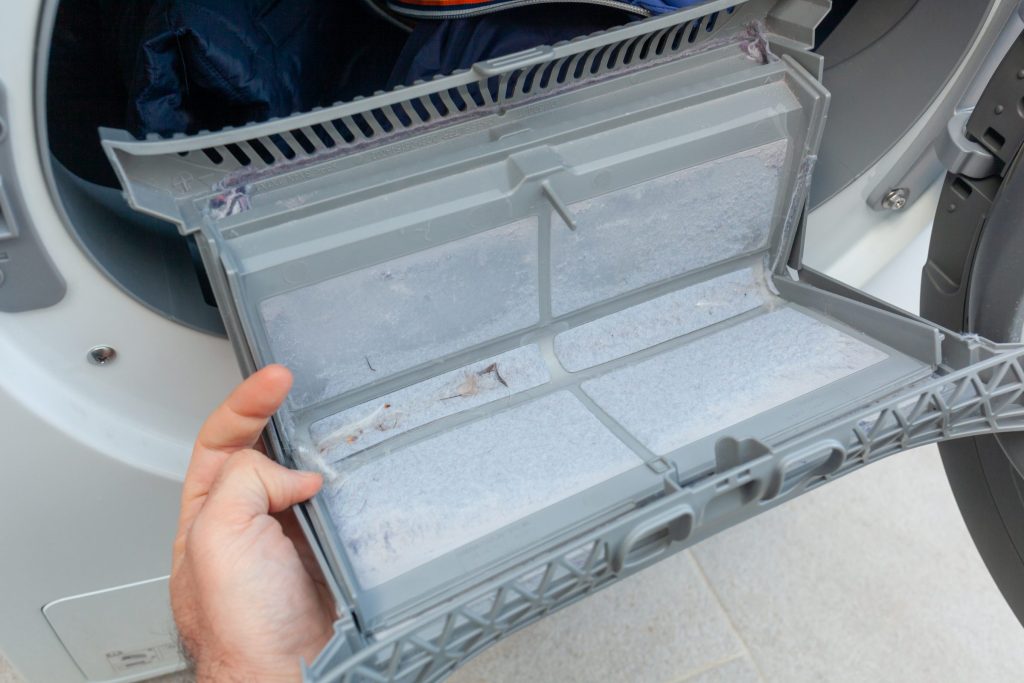
The lint filter in the door opening comes out every cycle and everybody knows about it. What people do not know is that rinsing it is not the same as cleaning it. Fabric softener — from the wash, not the dryer — leaves a film across the mesh that is transparent, feels like nothing, and passes almost no air.
The test takes ten seconds: hold the filter under a running tap. Water should go straight through. If it sits on the surface like a drumskin, the mesh is sealed, and the machine has been running on a fraction of the airflow it was designed around.
Scrub it with warm soapy water and a soft brush. It comes back.
The secondary filter sits behind a flap at the bottom of the machine on most models, and on some there is a condenser unit behind that which rinses out under a tap. Check the manual for your exact model — these differ more between models than anything else on the machine.
Reading what the machine is actually doing
The symptom tells you which half of the machine to look at.
- Stops after a few minutes, repeatedly. Tank, or a condensate hose kinked behind a stacked pair. The machine has decided it cannot get rid of water.
- Runs the full cycle, clothes warm and damp. Air. Filters, secondary filter, condenser unit. There is heat but nothing is carrying the moisture away, so the load bakes rather than dries.
- Runs the full cycle, clothes cold and damp. Heat. This is where the heating circuit comes in.
- Stops with a code. Photograph it. The manufacturer groups six numbers under "electronics" and publishes exactly two others — one for the lint filter, one for the heating circuit.
The one that needs a technician
E06 is the heating circuit, and the manufacturer's own guidance is that it is not a home repair. We agree, which is not something we say about many codes.
The element and its safety cut-outs sit inside a sealed cabinet, they are wired into the machine's high-current side, and the ways they fail are not the kind you want to be discovering with the panel off. Tell us the model number when you book and the part usually rides out with the technician.
In storm season, try the free thing first. Electronics codes on laundry cluster after power cuts here, and a real share of them clear with the machine genuinely unplugged for five minutes — not switched off, unplugged. If it comes back after that, it means something, and that timing is worth telling us.
Stacked in a closet, which changes the visit
Most Bosch laundry in this market is a 24-inch pair with the dryer bolted on top of the washer, in a closet with a doorway narrower than the machines. Nothing about that changes the repair, and everything about it changes the appointment: unstacking safely, and getting a hand behind a machine with two inches of clearance, is genuinely most of the time on site.
A photograph of the closet with the door open, sent when you book, is worth more than a paragraph describing it.
If it turns out to be a repair
What this leads to, and what it costs
Every job on this site is priced the same way: an on-site diagnostic first, the figure agreed in writing before anybody starts.
-
Longer is by design Dryer taking too long
A cycle that runs for hours, or a load that needs a second run. These dryers are slower than vented American machines on purpose — but there is a difference between slower and not working, and it is measurable.
- Two cycles to dry one load
- Cycle time much longer than it used to be
- Clothes hot but still damp
-
Air first, then heat Dryer not heating
A dryer that runs cool, or one that stops with a heating code. On a condensation dryer, a blocked air path imitates a dead heating element closely enough that it is always checked first.
- Runs a full cycle, clothes still damp
- No warmth at all in the drum
- Stops early with a code
-
24" compact · ventless Dryers
The compact dryers are condensation machines — they take the water out of the air and put it down the drain rather than pushing it outside. Which is why they can live in a closet with no duct at all, and why "it takes forever to dry" is a different conversation on one of these than on a vented American dryer.
- Taking two cycles to dry a load
- Not heating at all
- Lint filter and condenser maintenance
-
from $185 Dryer heating repair
Warm damp laundry after a full cycle, or no heat at all. On a condensation dryer these are different problems: one is usually air, the other is the heating circuit, and the machine does not always tell them apart.
- Filters and the air path first
- Heating circuit and sensors
- Condensate drain and tank
Questions people ask about this
Should there be a vent behind it?
No. That is the point of the machine. It condenses the moisture out of its own air and sends it to a drain or into a removable tank, which is what makes a laundry closet in a condo possible at all. It also means the room gets slightly warmer and more humid while it runs, which is normal.
What tank?
On models that are not plumbed to a drain, the water taken out of your laundry collects in a removable container — usually a drawer at the top or bottom front. It fills every few loads and the machine stops and refuses to restart when it is full. A great many owners have never opened it.
The lint filter looks clean.
They usually do. Fabric softener leaves a transparent film across the mesh that is invisible and nearly airtight. Hold the filter under a running tap: water should pass straight through. If it pools on the surface, scrub it with warm soapy water and a soft brush.
It shows E06.
That is the heating circuit, and it is the one repair on this appliance the manufacturer says needs a technician. We agree with that one — it is a heating element and its safety cut-outs inside a sealed cabinet, and the failure modes are not forgiving. Tell us the model and we will bring what it usually needs.
How long should a cycle actually take?
Considerably longer than a vented dryer, and that is the trade for having no duct. Judge it against how your machine used to perform rather than against the vented one you had before — a change is meaningful, a long cycle on its own is not.
Common Problems
More guides like this one
-
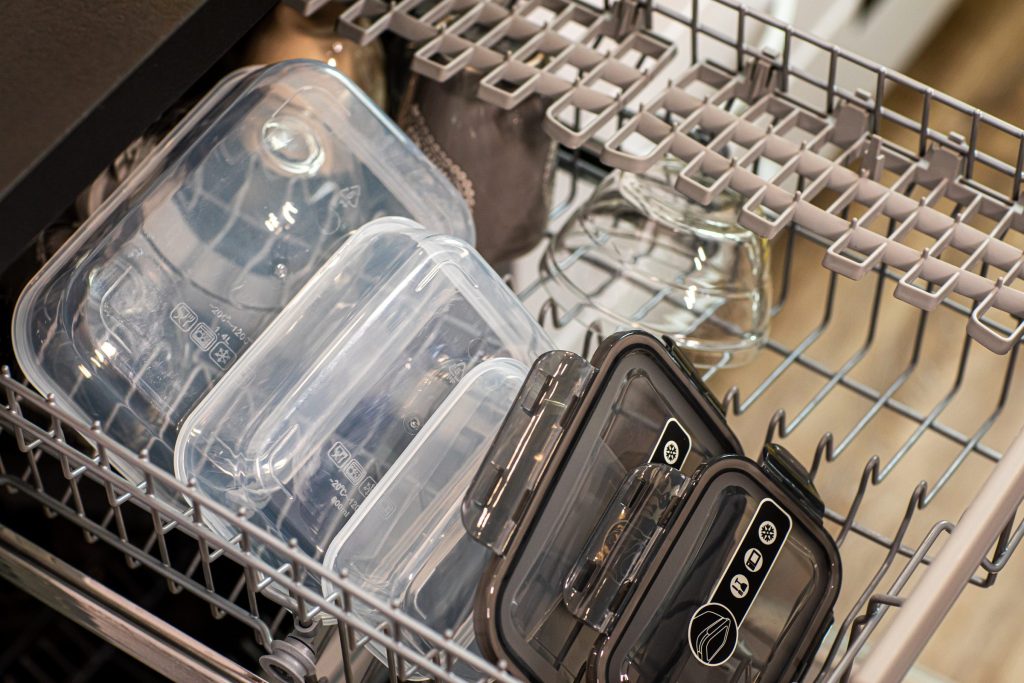
Why Your Bosch Dishwasher Leaves Plastics Wet — and When It Is Actually a Problem
The single most common call we take on this brand, and most of the time there is nothing to repair. How condensation drying works, why plastic is the one thing it cannot do well, and the two cases where wet dishes are a genuine failure.
Read more -
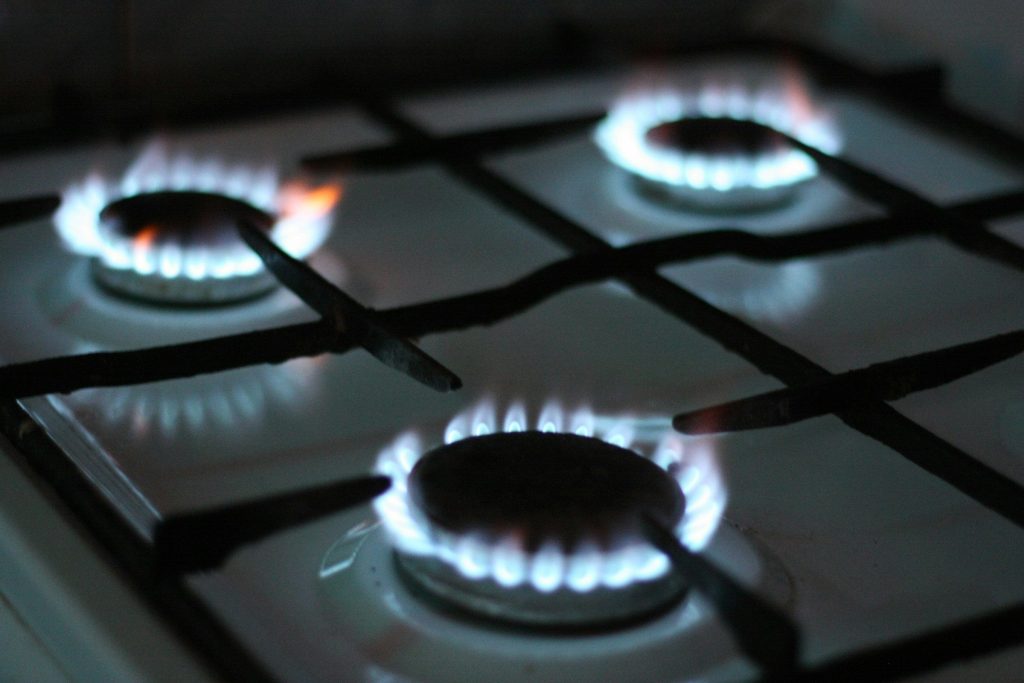
A Bosch Gas Burner That Keeps Clicking: What It Is Doing and How to Stop It
Clicking that carries on after the burner has lit, or with every knob turned off, is one specific and very fixable thing — and it is not the same problem as a burner that will not light at all.
Read more -

Bosch Wine Storage Is a Drawer, Not a Cabinet — and That Changes What Goes Wrong
There is no standalone Bosch wine cooler in the United States. Wine lives in a glass-fronted drawer built into a French-door refrigerator, sharing that refrigerator's cooling — which means a warm drawer above a healthy fridge is an air-distribution problem, not a compressor one.
Read more
Tell us the model number and what it is doing.
This article is based on:
- Official manufacturer documentation
- Internal repair procedures
- Technician repair history
- Company quality standards