Common Problems
Bosch Wine Storage Is a Drawer, Not a Cabinet — and That Changes What Goes Wrong
Bosch does not sell a standalone wine cooler in the United States. Wine storage on this brand is the Refreshment Center drawer — a glass-fronted compartment inside a French-door refrigerator, with preset temperatures for reds, whites and cans. Because it shares the refrigerator's cooling, a drawer running warm while the rest of the cabinet holds temperature is about the air path and the damper feeding it, not about the compressor. If the whole refrigerator has drifted, the drawer is a symptom rather than the problem.
The full guide
Bosch wine cooler not working: the thing nobody tells you when you search
Type "Bosch wine cooler not working" and you will find pages about wine cabinets: tall glass-doored units with two zones and a compressor of their own.
Bosch does not make one for this market.
What it makes is the Refreshment Center — a glass-fronted drawer built into a French-door refrigerator, with its own preset temperatures for reds, whites and cans, room for around seventeen bottles including magnums, and an adjustable organizer inside it. It sits in the cabinet alongside the fresh food compartment and shares the refrigerator's cooling system.
That single fact changes every diagnosis on this page, so it is worth stating before anything else.
Why it matters practically: on a wine cabinet, a temperature problem is that cabinet's own sealed system and its own control. On a drawer, the cooling is the refrigerator's — so the question is not "what is wrong with the wine unit" but "is the refrigerator cold, and is the air getting to the drawer".
The first question splits the problem in half
Is the rest of the refrigerator holding temperature?
Put a thermometer in a glass of water in the fresh food compartment overnight, and another in the drawer. Do not trust either display — a display reports what it was asked for, not what it achieved.
The drawer is warm, the refrigerator is fine
Good news, relatively. Cooling is being produced; it is not arriving. That points at:
- The damper or air channel feeding the drawer. A flap that no longer opens fully, or a duct partly blocked by something pushed too far back on the shelf above.
- The drawer not closing squarely. A bottle at an angle, a rail that has come out of its runner, or a seal that has hardened. Warm air comes in as fast as cold air arrives.
- The control for that compartment rather than the compressor.
All of those are modest repairs, and none of them are the sealed system.
Everything has drifted
Then the drawer is a symptom and the refrigerator is the subject. That is a different page and a different conversation — a condenser packed with dust, an evaporator fan that has stopped, a door seal letting humid air in, a defrost circuit that never completes, and only at the end of that list, the sealed system.
In this climate the first of those is behind more warm refrigerators than everything else combined.
What you can check in ten minutes
- Read both compartments with a real thermometer, overnight, in a glass of water. It is the only measurement worth having.
- Look at how the drawer closes. Push it shut slowly and watch the last inch. A bottle catching, a rail off its runner, or a gap at one corner all show up there.
- Clear the back of the shelf above it. Air reaches the drawer from inside the cabinet, and a large container pushed hard against the back wall is a genuinely common cause.
- Look at the condenser. Pull the grille and see whether it is furred with dust. In South Florida that is the first suspect for any refrigerator not holding, and it costs nothing to check.
What this climate does to it
A refrigerator here runs against a warmer kitchen for more months of the year than the same unit anywhere north, and near the water salt shortens the life of the coil and the condenser fan on top of that. The compartment that shows it first is usually the one furthest from the evaporator, and in a French-door cabinet with a beverage drawer that is often the drawer.
There is also the seasonal-home version, which is specific to this market: a house held at 82 degrees while nobody is in it asks considerably more of the refrigerator than the same house at 72. Everything still works, everything runs longer, and the drawer drifts a degree or two. Somebody reading the numbers once a month catches it; a display nobody looks at does not.
What we would do
Read both compartments, check the airflow to the drawer and the damper that controls it, look at the seal and the runners, and only then move to the refrigerator's own diagnosis — condenser, fans, defrost, and last of all the sealed system.
On a Bosch, "the wine section is warm" is usually a small job. It is worth saying that plainly, because on the brands that do make wine cabinets, the same sentence often is not.
If it turns out to be a repair
What this leads to, and what it costs
Every job on this site is priced the same way: an on-site diagnostic first, the figure agreed in writing before anybody starts.
-
Built into the refrigerator, not beside it Wine & beverage storage
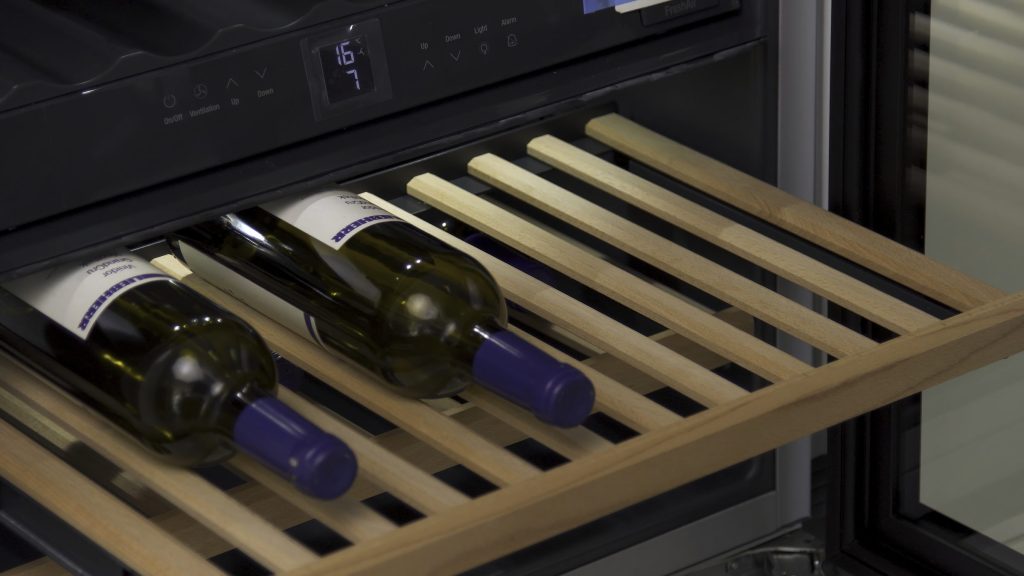
On this brand, wine storage is a drawer inside the refrigerator rather than a cabinet of its own — a glass-fronted compartment with its own preset temperatures for reds, whites and cans. Which means a wine problem here is usually a refrigerator problem wearing a different label.
- A drawer running warm while the rest is fine
- Drawer lighting and the glass front
- Runners, seals and a drawer that will not sit square
-

Diagnosed by behavior Refrigerator not cooling
A refrigerator running warm, cooling unevenly, or holding overnight and drifting by day. This equipment publishes almost no codes, so what it is doing matters more here than on anything else on this site.
- One compartment warm, the other fine
- Compressor running almost constantly
- Frost building at the back of the freezer
-

800 Series Bosch B36CL81ENW
Bosch 800 Series — A 36-inch French-door refrigerator with the Refreshment Center drawer — the glass-fronted wine and beverage compartment, in white. What tends to go wrong on it, what to check first, and what a repair involves.
- Refrigerator not cooling
- Ice maker not making ice
- Water dispenser not working
-
from $600 Refrigerator sealed system repair
Refrigerant circuit work, where the diagnosis matters far more than the part. A refrigerator that cools unevenly or runs constantly without holding often points here — but four cheaper things point the same way first.
- Everything cheaper ruled out first
- Leak located, not just recharged
- Held at set point before we leave
Questions people ask about this
Is this the same as a wine cabinet?
No, and it is worth being clear about. Bosch does not sell a standalone wine cooler in the US market. What it sells is a wine and beverage drawer built into a French-door refrigerator. If you have a tall wine cabinet in a Miami kitchen, it is another make — and we will tell you that rather than guess.
The drawer is warm but the fridge is fine.
That is the good version of this problem. It points at the air path to the drawer and the damper controlling it, which means the expensive component — the sealed system — is the one still working. Tell us the numbers from both compartments when you book.
How cold should it be?
The presets are the manufacturer's and they differ for reds, whites and cans, which is the point of having them. What matters more for a collection is that whatever it is set to, it holds. A drawer wandering three degrees either side does more harm than one set two degrees wrong.
Does vibration matter in a drawer like this?
Less than in a dedicated cabinet, because it holds bottles you plan to open rather than a cellar you plan to age. If a new noise has appeared alongside a temperature change, that is worth a look — but a drawer of bottles ready to drink is not a vibration-sensitive environment.
We are away half the year. Anything to do?
Have somebody read the numbers occasionally rather than trusting the display. In a house with the air conditioning set back, the whole refrigerator works harder and the drawer is usually the first compartment to show it — and a season is long enough for that to matter.
Common Problems
More guides like this one
-
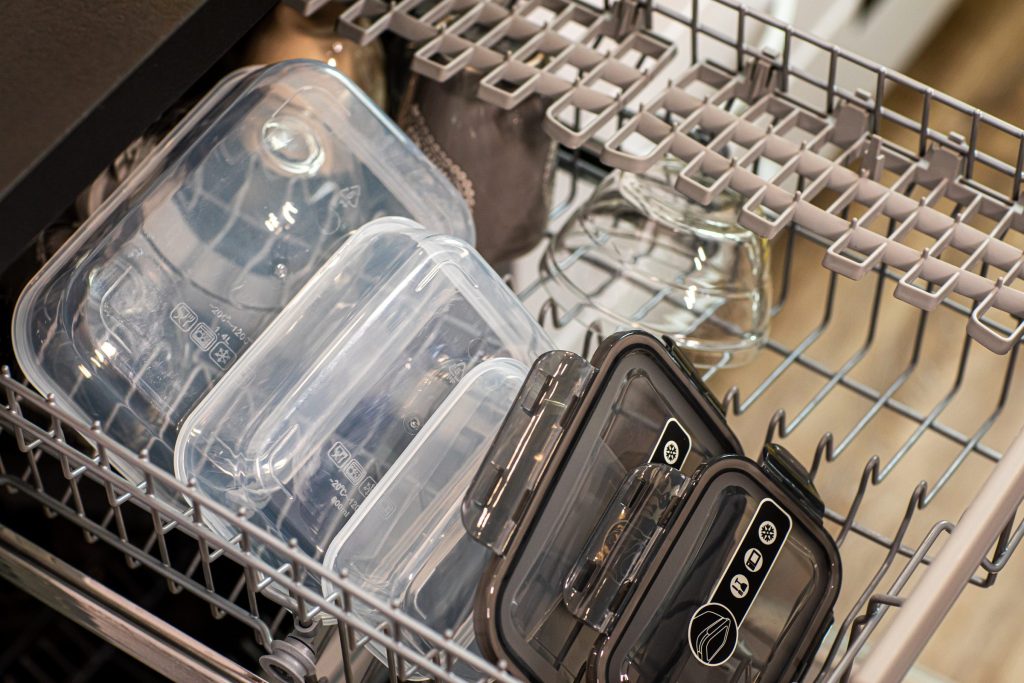
Why Your Bosch Dishwasher Leaves Plastics Wet — and When It Is Actually a Problem
The single most common call we take on this brand, and most of the time there is nothing to repair. How condensation drying works, why plastic is the one thing it cannot do well, and the two cases where wet dishes are a genuine failure.
Read more -
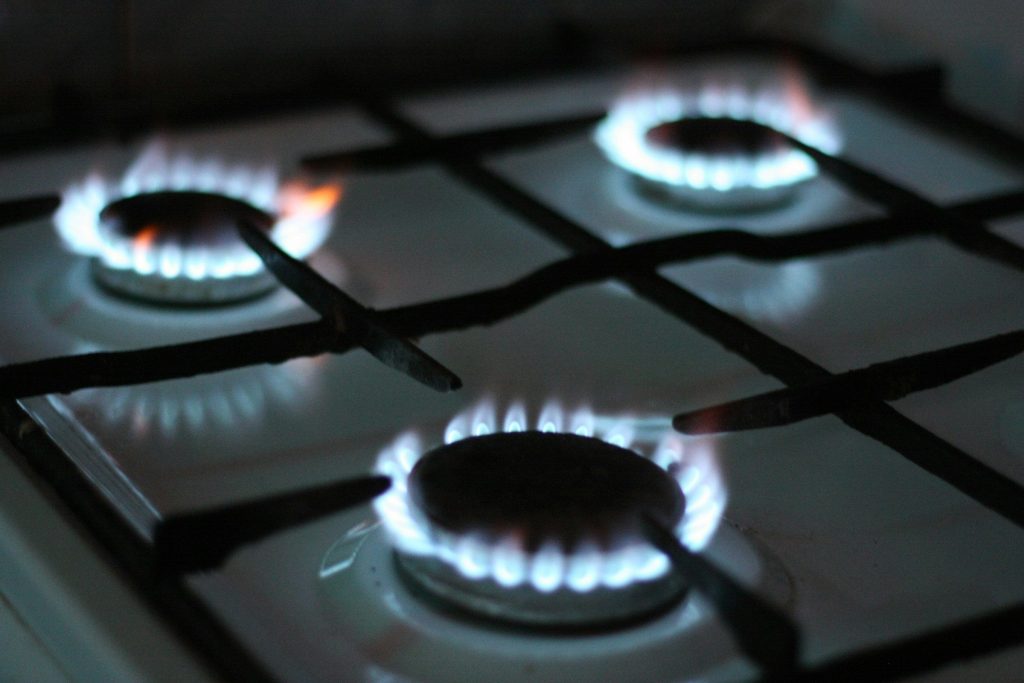
A Bosch Gas Burner That Keeps Clicking: What It Is Doing and How to Stop It
Clicking that carries on after the burner has lit, or with every knob turned off, is one specific and very fixable thing — and it is not the same problem as a burner that will not light at all.
Read more -
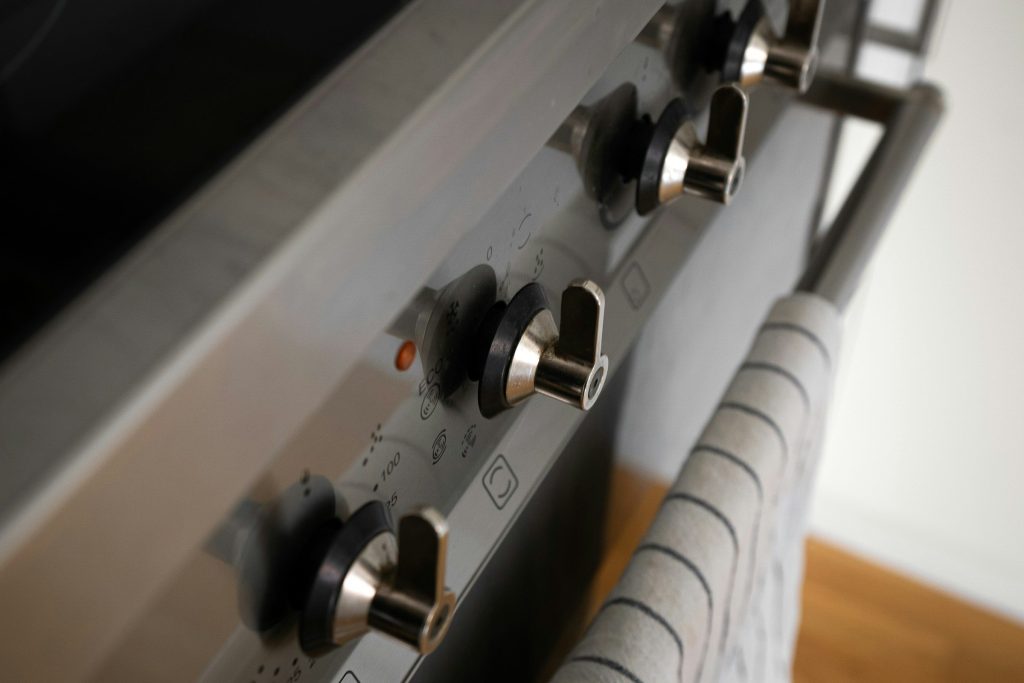
Your Bosch Oven Says SAFE: What It Means and How to Clear It
SAFE on the display is not an error and not a warning. It is the control lock, and it is switched on and off with a key you are probably looking at. Here is how to clear it, and how to tell it apart from the self-clean door lock, which is a different thing entirely.
Read more
Tell us the model number and what it is doing.
This article is based on:
- Official manufacturer documentation
- Internal repair procedures
- Technician repair history
- Company quality standards