
Safety & Risks
Which Appliance Smells Are Worth Acting On, and Which Are Not
Stop using the appliance and cut power to it if you smell burning, hot plastic or anything electrical — that is a wiring or motor problem and it does not improve on its own. If you smell gas, leave the doors open and call the gas utility before anybody else. Everything else is far less urgent: musty smells are almost always a filter, a seal or standing water, and a new appliance smelling of plastic for its first few cycles is normal.
The full guide
What is the chemical smell in my refrigerator? The one-minute triage
Burning, hot plastic, or an electrical smell. Stop using the appliance. Switch it off at the breaker. That smell is insulation, a winding or a connection getting hotter than it is supposed to, and it is the one category on this page where waiting to see if it happens again is the wrong instinct.
Gas. Not the momentary whiff when a burner lights — actual gas. Turn everything off, open doors and windows, leave, and call the gas utility. That is ahead of us in the queue and no appliance question is worth working around it.
Everything else. Musty, sour, stale, sink-like, plasticky. Almost always a filter, a seal, or standing water somewhere. Annoying and not urgent.
Why the first two are different. Every other smell on this page comes from something growing or something sitting. Those two come from energy going somewhere it should not — heat into a wire, or gas into a room — and both of those get worse rather than better.
The smells that are just maintenance
Musty, from a washer
The door seal. In this climate it is the most common appliance smell there is: a front loader keeps a little water in the fold by design, a closed laundry closet never dries, and a film grows.
Pull the seal back, clean the folds, run a hot empty cycle, and leave the door ajar afterwards.
Stale, from a dishwasher
Take the filter out and smell it. That is the whole diagnosis about four times out of five. Wash it with a brush, wipe the bottom lip of the door, and run an empty hot cycle.
Like the sink, from a dishwasher
Different, and worth knowing. If the drain hose does not rise close to the underside of the counter before it drops to the waste, water from the sink flows back toward the machine. That is an installation problem and cleaning will not touch it.
Sour, from a refrigerator
A spill under a drawer, the drain channel at the back of the compartment, or the drip tray underneath. All three are reachable and none is a repair.
Warm and dusty, from anything, on the first cold day
Dust burning off a heating element or a motor that has not run in a while. It should fade within a cycle or two.
The smells that are not
A burning or electrical smell from any appliance
Stop and cut power. On an oven it is often a wire at a terminal; on a dryer it is usually lint that has reached somewhere hot; on a refrigerator it can be the compressor's start components.
The reason for stopping rather than watching is that the failure mode here is not "the appliance stops working" — it is heat with nowhere to go, in a cabinet, in a kitchen.
A sweetish chemical smell with a refrigerator that has stopped cooling
Worth mentioning as a pair rather than separately. On its own, a chemical smell in a refrigerator is usually plastic or a cleaning product. Together with a cabinet that has stopped holding temperature, it is worth a visit.
Gas, at any time
Covered above and worth repeating. The utility first, us afterwards.
After a storm, specifically
Two things worth knowing in this market.
A surge can damage a board without stopping the appliance working, and the first sign is sometimes a faint hot-electronics smell rather than a failure. If an appliance came back from an outage smelling of anything, that is worth taking seriously rather than filing under "it has been through a lot".
And a refrigerator that sat warm for two days may smell for weeks afterwards, because the compartment absorbed everything that spoiled in it. That one is cleaning — including the drain channel and the drip tray — rather than a repair.
What to tell us on the phone: which appliance, what the smell is like, when it happens — running, idle, or only on certain cycles — and whether anything else has changed. Those four answers usually place it in one of the categories above before anybody drives anywhere.
Where each smell actually lives
Useful because the source is rarely where people look first.
Dishwasher: the filter, then the bottom lip of the door and the channel behind it, then the drain hose. Almost never the tub itself, which is rinsed every cycle.
Washer: the fold of the door seal, then the detergent drawer housing, then the pump filter. All three are places water sits and nothing rinses.
Refrigerator: a spill under a drawer, the drain channel at the back of the fresh food compartment, and the drip tray underneath the appliance — the last one is out of sight and occasionally spectacular.
Dryer: the filters, and on a condensation machine the condenser unit and the water tank. A tank left standing for weeks in this climate develops a smell of its own.
Oven: spillage on the cavity floor and under the element, and after a self-clean, the ash the cycle left behind.
The two-question triage on the phone
When somebody calls about a smell, the two questions that place it are:
When? Only while running, only afterwards, or all the time. A smell only while running points at something being heated; a smell all the time points at something sitting.
What changed? A new detergent, a house left empty, a power cut, a machine that was moved, a recent repair. Almost every non-urgent smell on this page has an answer that begins with one of those five.
The one that is worth its own sentence
If an appliance smells of burning while it is running, switch it off at the breaker before doing anything else — including before finishing the cycle, including if the load is expensive, including if it has done it before and stopped.
That is the only advice on this whole site where we would say do not wait and see. Everything else here can be looked at next week.
If it turns out to be a repair
What this leads to, and what it costs
Every job on this site is priced the same way: an on-site diagnostic first, the figure agreed in writing before anybody starts.
-

Almost always maintenance Dishwasher smells
A smell when the door opens, or one that arrives on the dishes. Rarely a repair, usually a filter, and occasionally a drain hose installed in a way that lets the sink back into the machine.
- A stale smell when the door opens
- A smell that transfers to clean dishes
- Worse after the machine sits unused
-
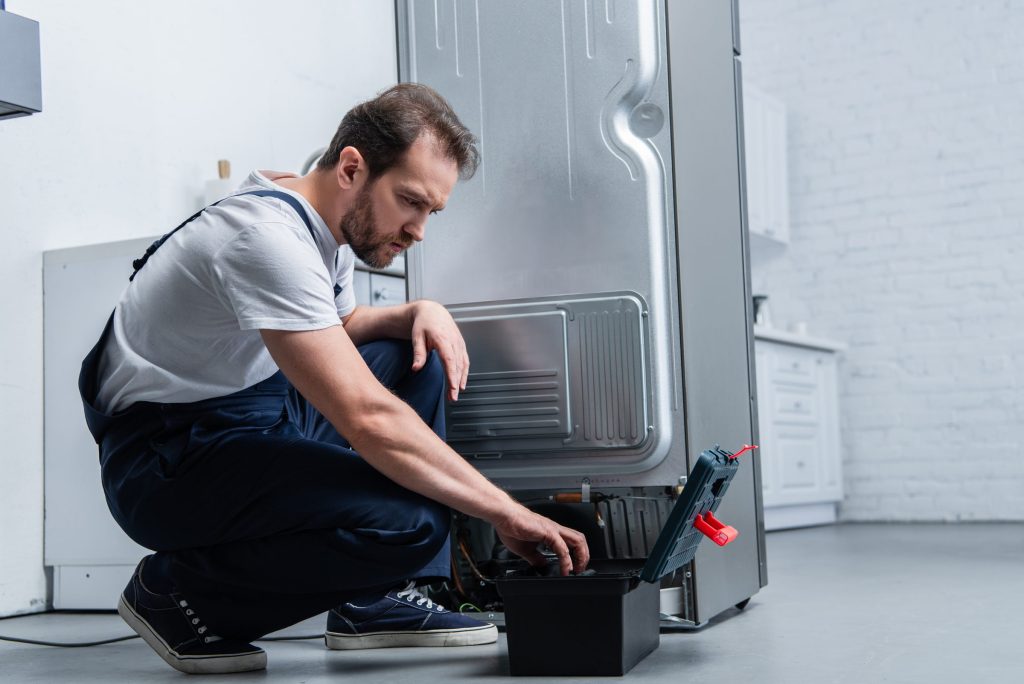
Some of it is normal Refrigerator making noise
Buzzing, clicking, gurgling or a rattle that comes and goes. Several of these noises are the appliance working — and one of them is a fan that is about to cost you a warm refrigerator.
- A rattle or scraping that comes and goes
- Loud humming that has got worse
- Clicking every few minutes
-
from $95 Diagnostic visit
We read the code, reproduce what the appliance is doing, and check the cheap causes before anything expensive is proposed. The fee is credited toward the work when you go ahead.
- Codes read and reproduced on site
- The inexpensive causes checked first
- Credited toward the repair
Questions people ask about this
Something smells hot when the oven is on.
For the first few uses of a new oven, and after a self-clean cycle, some smell is expected. A persistent smell of hot plastic or electrical burning on an oven that has been in use for years is not, and it is worth stopping for — that smell is insulation on a wire getting hotter than it should.
The refrigerator smells chemical.
Usually plastic and a new appliance, or a cleaning product used inside it. A sharp, sweetish chemical smell alongside a refrigerator that has stopped cooling is a different matter and worth a visit — that combination is worth mentioning specifically when you book.
There is a burning smell from the dryer.
Stop. On a condensation dryer that usually means lint has reached somewhere hot, and the fix is airflow — but not while it is running. Unplug it, clean every filter, and if the smell returns on the next cycle, book it rather than repeating the experiment.
My dishwasher smells like the sink.
It probably is the sink. If the drain hose does not rise close to the underside of the counter before dropping to the waste, sink water flows back toward the machine. That is an installation problem and no amount of cleaning fixes it.
Everything smells musty after we have been away.
Normal here. Water sitting in traps, sumps and seals goes stale and nothing has run to flush it. Run an empty hot cycle in the dishwasher and the washer, and open both doors for a day.
Safety & Risks
More guides like this one
-

Is Vinegar Safe in a Bosch Dishwasher? What It Does to the Seals
The internet's favorite dishwasher remedy, tested against what the machine is actually made of. Where vinegar genuinely helps, where it does slow damage, and what to use instead in hard water.
Read more -
Mold on a Door Seal: Cleaning It, and Why It Comes Back Here
In this humidity it is a climate problem rather than a housekeeping failure, and it happens on a washer seal more often than a refrigerator one. How to clean it, what not to use, and the point at which the seal is finished.
Read more -
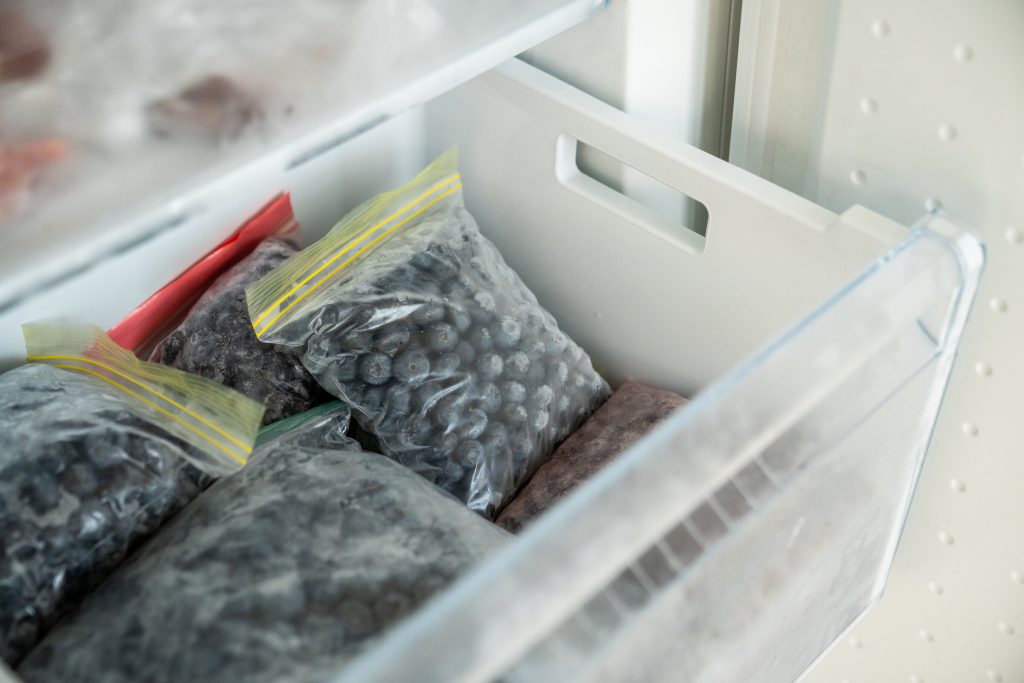
How Long Food Stays Safe When the Power Goes Out in South Florida
Four hours in the refrigerator, forty-eight in a full freezer — and both of those assume a house at room temperature, which is not what an August outage here looks like. What to do before, during and after.
Read more
Tell us the model number and what it is doing.
This article is based on:
- Official manufacturer documentation
- Internal repair procedures
- Technician repair history
- Company quality standards