Common Problems
Why a Bosch Induction Cooktop Switches Itself Off — and Why That Is Not a Failure
An induction cooktop that switches itself off is almost always protecting its own electronics. The published causes are: the zone too hot for the work surface, the electronics under the glass too hot, hot cookware left standing over the control panel, a zone left running untouched past the automatic time limit, and a supply voltage outside the range the cooktop will run in. Each has its own code. The one that recurs is usually the second, and its cause is a blocked ventilation gap under the counter rather than anything electrical.
The full guide
Why does my Bosch induction cooktop keep turning off? Start by asking whether it comes back
Everything on this page divides at one question. Wait ten or fifteen minutes and try the zone again.
If it works, it was thermal protection, and nothing is broken. If it never works again while the other zones do, that zone has a real problem and it is worth a visit.
That one observation removes most of the possibilities, and it takes a quarter of an hour of doing nothing.
What is actually under the glass
An induction zone is a flat coil of copper with a switching circuit behind it, and that circuit handles a lot of power in a small space. Between three and four kilowatts on a large zone, in an enclosure a few centimeters deep, under a sheet of glass with a hot pan on top of it.
All of that generates heat which has nothing to do with the cooking. It has to leave, and it leaves downward, through vents in the underside of the appliance and into the space beneath the counter.
This is why the appliance has so many temperature protections. It is not a fragile design — it is a design that knows exactly how much heat it can tolerate and refuses to exceed it. The codes are the appliance telling you which limit it reached.
The protections, one at a time
The zone got too hot for the counter
A zone that has been on high for a long time heats more than the pan. The cooktop watches the temperature of the glass and switches that zone off before the work surface around it is at risk. It comes back when it has cooled.
The electronics got too hot
The same idea one layer down, and this is the one that recurs. When the circuitry under the glass cannot shed its heat downward, it shuts a zone — sometimes all of them — and waits.
This is the version worth investigating, because it usually means the air is not moving where the installation instructions say it should. See below.
Hot cookware standing on the control panel
Park a pan or a lid across the touch controls and the electronics directly beneath them cook. The manufacturer publishes this as its own condition, in two versions: one where the appliance is warning it is about to switch off, and one where it already has. Move the pan and carry on.
It sounds trivial and it is remarkably common — the panel is the flat bit at the front, and a flat bit at the front of a cooktop is where people put things down.
The automatic time limit
A zone left running with nothing touched on the panel for a long period switches itself off on purpose. The time allowed is longer at low power than at high, which is why a pot of stock can sit for hours and a searing pan cannot.
If you got this one, nothing is wrong at all: touch any control, set the zone again, continue.
The supply voltage
U400 and its relatives are the cooktop reporting that the electricity reaching it is outside the range it will operate in. That is a question about your building, your circuit or the utility, and it is worth knowing before anybody is booked for an appliance repair.
It is also, oddly, the least brand-specific code on this site: the induction module under the glass is an industry component, and several manufacturers with no corporate relationship to each other publish the same number for the same condition.
The repair that is usually not electrical
If a cooktop switches off reliably after twenty minutes at high power, look under it before looking inside it.
- The drawer beneath. Packed to the top with baking trays, it fills the space the appliance was designed to breathe into. Empty it and try the same cooking again.
- A kitchen rebuilt around the cooktop. A new counter, a new cabinet run or a rear panel added during a remodel closes the gap the installer left.
- A cooktop dropped into a counter that was cut for a radiant one. Induction needs more clearance than the electric top it often replaces.
None of that involves a part, and all of it is why we ask how the appliance is installed before we come out. A cooktop that has been overheating for a year eventually stops doing it politely, and the component that gives up is the expensive one.
When it is genuinely a failure
One zone dead, the others normal. The coil or the generator module for that zone. This is the real repair on an induction cooktop, and it is worth diagnosing properly rather than swapping parts: the modules are the most expensive component in the appliance.
Nothing lights up at all. Start at the breaker. A cooktop with no display is a power question before it is an appliance question, and the manufacturer's own guidance starts the same way.
Everything flashing at once. That is the published signal for a wet or covered control panel. Dry it completely and it comes back.
The controls beep and refuse. Panel lock. Four seconds on the lock key.
And one that has nothing to do with the cooktop: a zone that beeps and gives up a few seconds after you put a pan on it is telling you about the pan. Induction works by inducing a current in the base, and aluminum, copper and a good deal of stainless steel simply do not respond. A fridge magnet on the base of the pan is the whole test — if it does not grip firmly, that pan will never work on any induction cooktop.
What a visit involves
The installation is checked first, because it is free and because it is the answer more often than anything else. Then the supply is measured if a voltage code has appeared. Only then do we open the appliance, and at that point the question is narrow: which zone, which coil, which module, and whether the wiring between them is intact.
What we will not do is order a generator module because a cooktop switched itself off. On this appliance that sentence describes normal behavior about half the time.
If it turns out to be a repair
What this leads to, and what it costs
Every job on this site is priced the same way: an on-site diagnostic first, the figure agreed in writing before anybody starts.
-
Usually protection working Cooktop zone switching itself off
A zone that cuts out under load, or a cooktop that shuts down after a while at high power. Almost every version of this is a protection doing its job, and each one has a published code that says which.
- Cuts out after twenty minutes on high
- All zones off at once
- Comes back after it cools
-
Sometimes it is the pan Induction cooktop not recognizing the pan
A zone that beeps and gives up, shows a pan symbol, or heats one pan and not another. On induction the cookware is part of the appliance, and a good share of these calls end with a magnet test rather than a repair.
- Beeps and switches off after a few seconds
- Works with one pan, not another
- A pan symbol on the display
-
Induction · gas · electric · 24"–36" Cooktops & rangetops
Induction, gas and radiant electric cooktops, plus the professional rangetops. Most of what an induction top does when something is wrong is protect itself — it switches a zone off, shows a code and waits — and telling that apart from a failure saves a great many visits.
- A zone switching itself off mid-cook
- Controls locked or unresponsive
- Codes about supply voltage
-
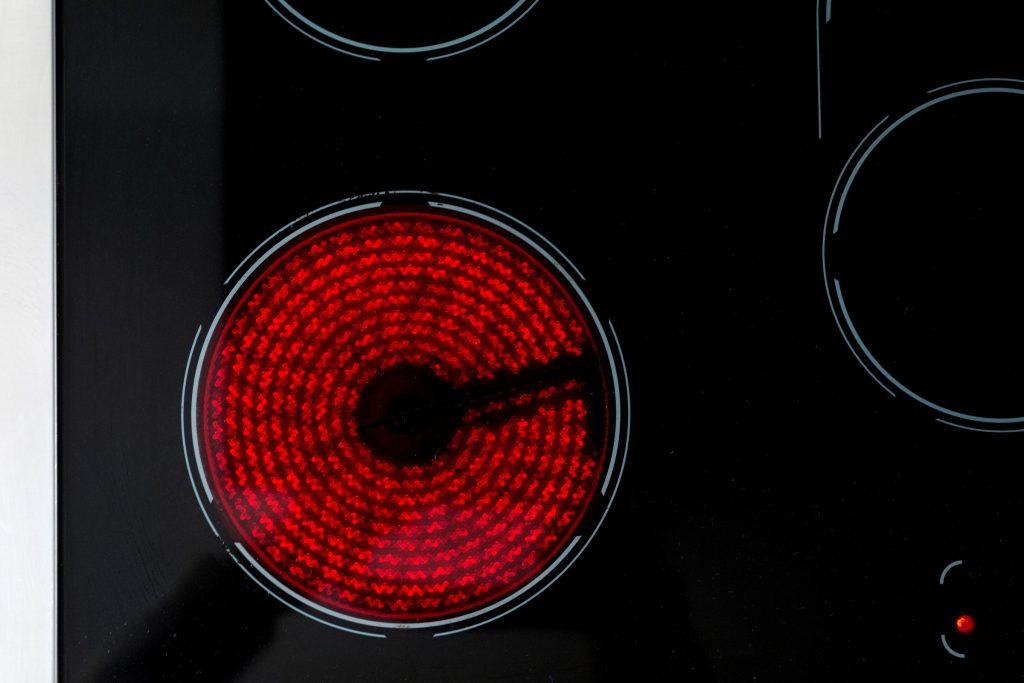
from $210 Cooktop & induction repair
A zone that switches itself off, a panel that will not respond, or a code about supply voltage. Most of what an induction top does when something is wrong is protect itself — and telling that apart from a failure is most of this job.
- Zones cutting out under load
- Touch controls and the panel lock
- Induction modules and coil wiring

Questions people ask about this
Is it dangerous when it switches off like that?
It is the opposite. The cooktop is protecting the electronics under the glass and the work surface around it, and it does so before anything is damaged. What is worth acting on is the reason it keeps having to.
It started after we renovated the kitchen.
Very likely the ventilation gap. These cooktops need the air space the installation instructions specify beneath them, and a counter rebuilt around an existing cooktop, a new drawer unit or a rear panel added later all remove it without anybody thinking about it.
One zone never works now, the others are fine.
That is different and probably a genuine failure — the coil under that zone or the generator module driving it. It is worth diagnosing rather than replacing, because the modules are the expensive half of this appliance.
What is U400?
The cooktop telling you the supply voltage is outside the range it will run in. It is a question for your building or the utility rather than for the appliance, and no part inside the cooktop will change it. Worth establishing before a repair is booked.
The cooktop beeps and refuses to do anything at all.
Check the panel lock first — four seconds on the lock key. It engages by accident constantly, from a wet cloth dragged across the glass, a boil-over, or a pan lid set down on the touch area. A wet panel does the same thing without locking, and the manufacturer publishes both as their own conditions.
Common Problems
More guides like this one
-
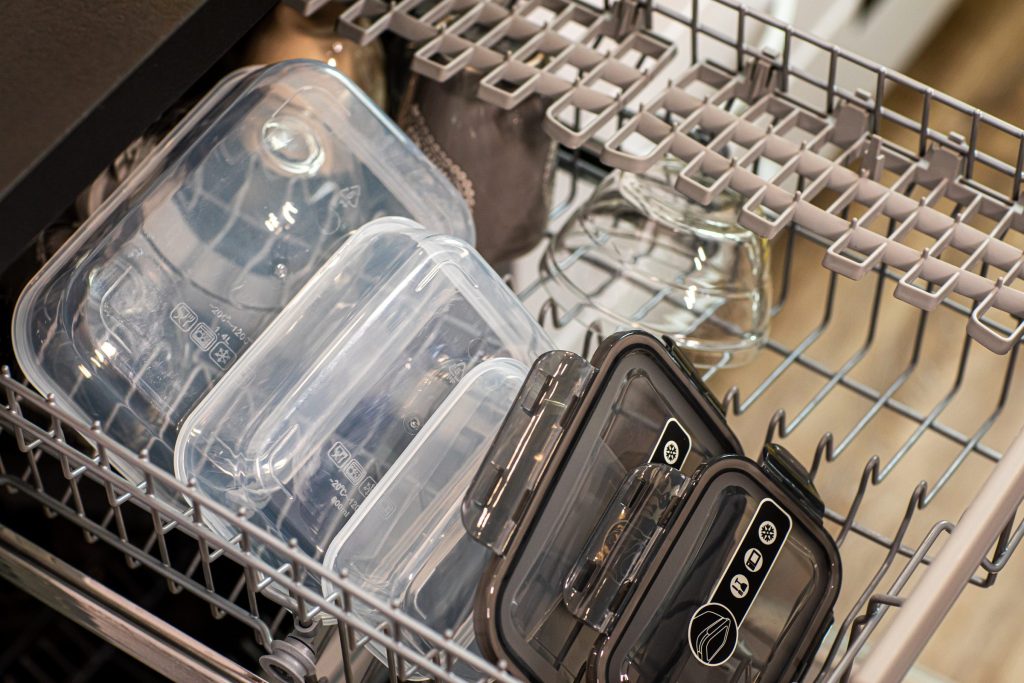
Why Your Bosch Dishwasher Leaves Plastics Wet — and When It Is Actually a Problem
The single most common call we take on this brand, and most of the time there is nothing to repair. How condensation drying works, why plastic is the one thing it cannot do well, and the two cases where wet dishes are a genuine failure.
Read more -
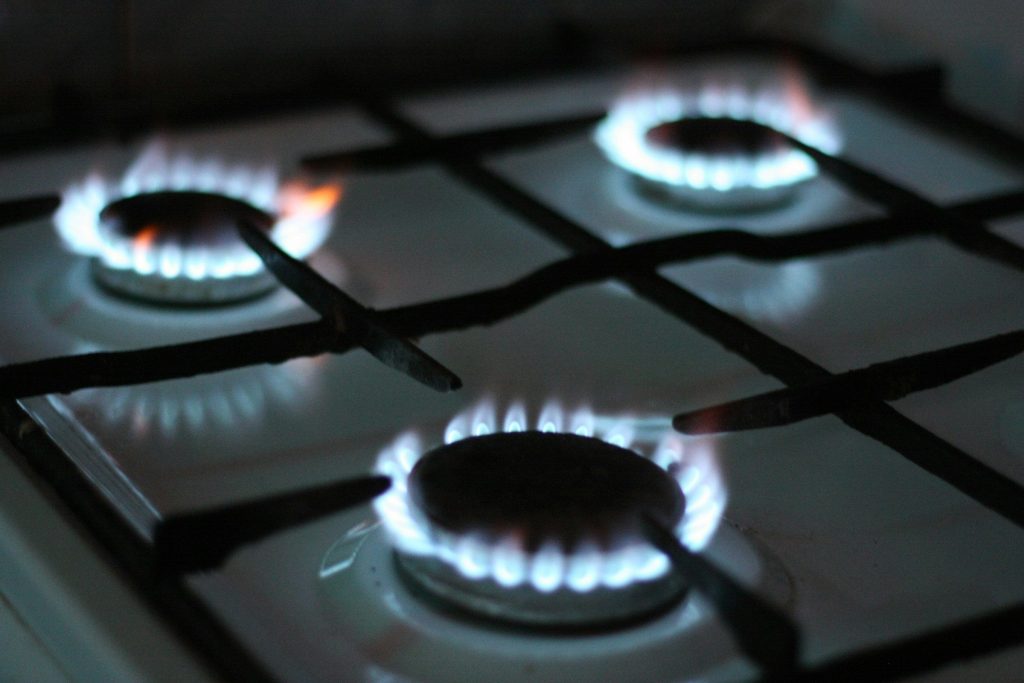
A Bosch Gas Burner That Keeps Clicking: What It Is Doing and How to Stop It
Clicking that carries on after the burner has lit, or with every knob turned off, is one specific and very fixable thing — and it is not the same problem as a burner that will not light at all.
Read more -
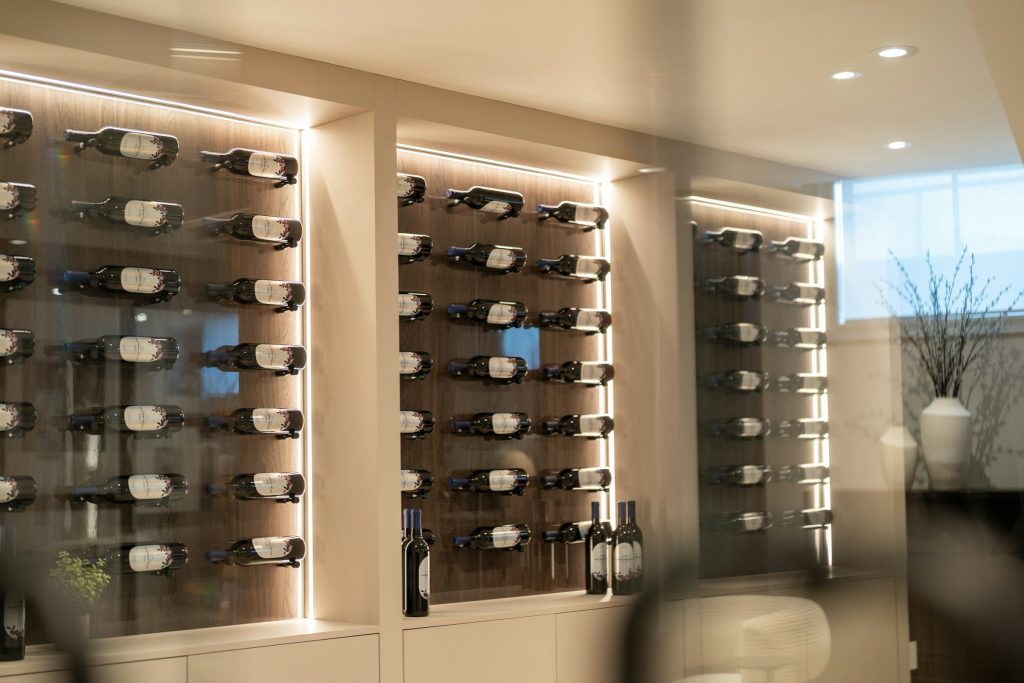
Bosch Wine Storage Is a Drawer, Not a Cabinet — and That Changes What Goes Wrong
There is no standalone Bosch wine cooler in the United States. Wine lives in a glass-fronted drawer built into a French-door refrigerator, sharing that refrigerator's cooling — which means a warm drawer above a healthy fridge is an air-distribution problem, not a compressor one.
Read more
Tell us the model number and what it is doing.
This article is based on:
- Official manufacturer documentation
- Internal repair procedures
- Technician repair history
- Company quality standards