Troubleshooting
How to Check What Your Refrigerator Is Really Doing, With and Without a Thermometer
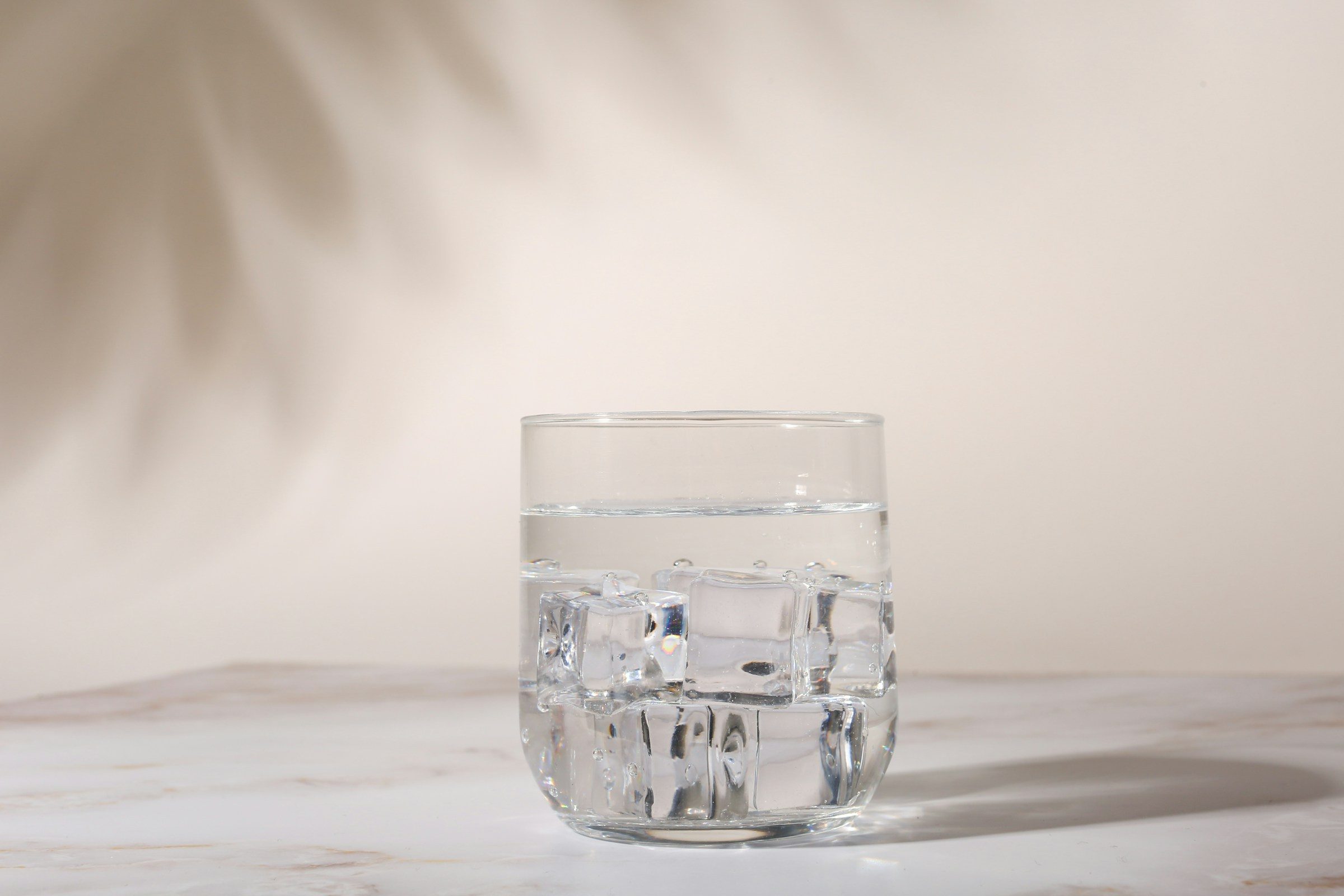
Put a glass of water in the middle of the fresh food compartment and a thermometer in it, leave it overnight, and read it in the morning without opening the door for long. Do the same in the freezer using cooking oil rather than water. The fresh food compartment should read about 37°F and the freezer about 0°F. Measuring the air is unreliable because it swings every time the door opens; measuring a liquid gives you what the food is actually experiencing.
The full guide
How to check refrigerator temperature with thermometer: why this matters more on this brand
Bosch publishes three error entries for its entire US refrigeration line. One for the ice maker, one for the dispenser interface, and one generic letter that means "call somebody".
That is not a gap in our research. It is the design: this equipment does not narrate itself the way its dishwashers and its ovens do. So when a refrigerator is misbehaving here, the display is almost never going to tell you anything, and measurement takes its place.
The good news is that the measurement is easy, free, and more informative than most codes.
The single most common mistake: reading the number on the door panel and treating it as data. A display shows the set point — what the appliance was asked to do. A refrigerator asked for 37 and delivering 44 shows 37 all day long, cheerfully, while the milk turns.
The glass of water method
Air inside a refrigerator moves several degrees every time the door opens, and takes twenty minutes to settle. Hang a thermometer in the air and you measure the last person who wanted a drink.
Water does not do that. It has enough thermal mass to average out the door openings and tell you what a carton of milk actually experiences — which is the number that matters.
- Fill a glass two thirds with water.
- Stand a thermometer in it — a dial fridge thermometer, a digital one, or a cooking probe.
- Put it on a middle shelf toward the front, where you keep food, not jammed against the back wall where the cold air arrives.
- Leave it overnight with the refrigerator used normally.
- In the morning: open, read, close. Quickly.
Target: about 37°F. Anywhere from 35 to 38 is healthy. Above 40 is a food safety question as well as a repair question.
The freezer needs oil, not water
Obvious once said: water in a freezer freezes, and a block of ice sits at 32°F regardless of how cold the compartment is. You learn nothing.
Use a small container of cooking oil instead. It stays liquid far below zero and gives a real reading.
Target: about 0°F. A freezer at 10°F is still frozen and still wrong — the food will keep, but it is telling you the compartment is not achieving what it should.
Without a thermometer
Less precise and still worth doing, because all three of these are changes rather than absolutes.
- Ice cream. Firm at 0°F, scoopable at 10°F, soft at 20°F. If ice cream that used to need waiting for is now ready immediately, the freezer has drifted.
- How fast milk goes off. A fresh food compartment at 41 rather than 37 shortens the life of milk noticeably, and people notice it before they notice anything else.
- Greens freezing at the back. Lettuce with ice crystals on it means either the compartment is too cold or air is blowing directly onto it, and moving the shelf tells you which.
- Condensation on the inside. In this climate a little is normal. A lot, consistently, points at a door seal.
What to do with the numbers
Write both down, with the set points from the display. Then the pattern says something:
| Fresh food | Freezer | Usually means |
|---|---|---|
| Warm | Cold | Air not moving between them — a fan, or a defrost circuit that has iced up |
| Warm | Warm | The whole system: condenser, seals, or the sealed system itself |
| Cold | Warm | Unusual; often a door left ajar or a defrost problem on that side |
| Correct | Correct | The problem is not temperature — look at ice production, noise or the dispenser |
That last row matters. Plenty of refrigerators we are called out to are holding temperature perfectly and doing something else wrong, and knowing that before the visit changes what we bring.
While the door is open, look at two other things
The seal. Close the door on a sheet of paper and pull. It should drag. Do it every foot or so around the whole frame, corners included. In this humidity a tired gasket lets damp air in, that air condenses and frosts the evaporator, and the result is a compartment that will not hold — a sealed-system-shaped complaint with a gasket-shaped cause.
The condenser. Pull the grille and look. Furred with dust inland, corroded near the water. In South Florida this is the first suspect for any refrigerator not holding, and it is the cheapest outcome there is.
One reading is a number. Two readings a week apart are a trend. If you are not sure whether something has changed, measure now and measure again in a few days. A cabinet that is drifting is a different conversation from one that has always run at 39.
If it turns out to be a repair
What this leads to, and what it costs
Every job on this site is priced the same way: an on-site diagnostic first, the figure agreed in writing before anybody starts.
-
Diagnosed by behavior Refrigerator not cooling
A refrigerator running warm, cooling unevenly, or holding overnight and drifting by day. This equipment publishes almost no codes, so what it is doing matters more here than on anything else on this site.
- One compartment warm, the other fine
- Compressor running almost constantly
- Frost building at the back of the freezer
-
36" · 30" · 24" · counter-depth Refrigerators
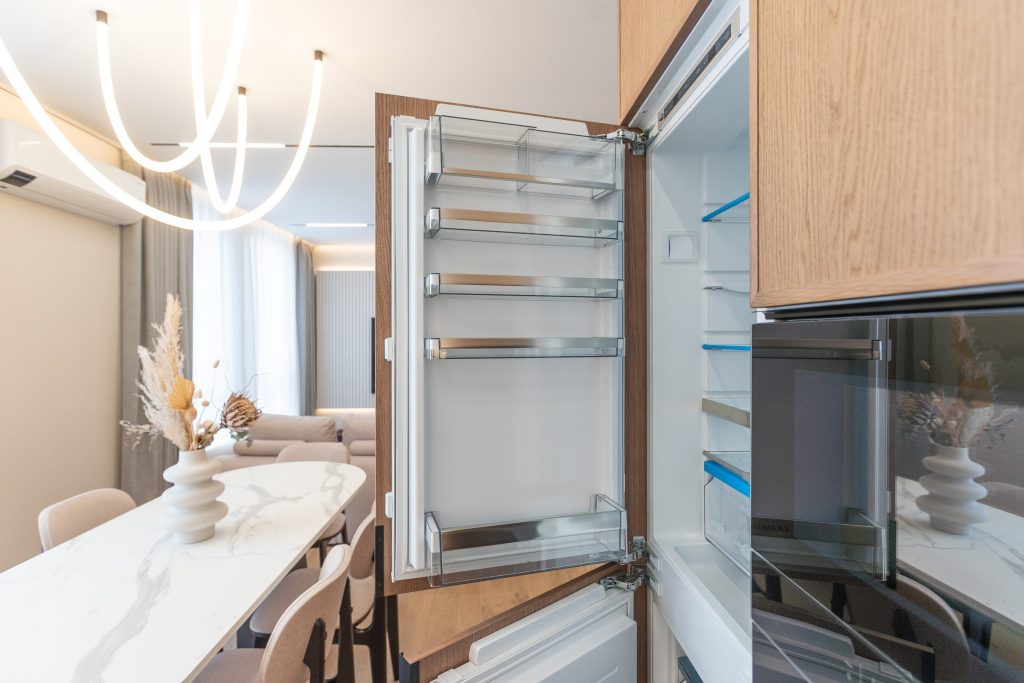
French door, bottom freezer and counter-depth units, panel-ready and free-standing. Bosch refrigerators publish almost no error codes, so this is equipment you diagnose by what it is doing rather than by what it is displaying.
- Not holding temperature
- Ice maker slowing or stopping
- Water and dispenser problems
-
from $95 Diagnostic visit
We read the code, reproduce what the appliance is doing, and check the cheap causes before anything expensive is proposed. The fee is credited toward the work when you go ahead.
- Codes read and reproduced on site
- The inexpensive causes checked first
- Credited toward the repair
Questions people ask about this
Why not just read the display?
Because a display shows the set point — what the refrigerator was asked for — rather than what it achieved. A cabinet that has been asked for 37 and is delivering 44 will show 37 all day. That gap is the entire diagnosis and the panel is the one place it does not appear.
Why a glass of water instead of just hanging a thermometer up?
Air temperature in a refrigerator swings several degrees every time the door opens and takes a while to recover. Water has thermal mass, so it averages all that out and tells you what a carton of milk experiences. It is the method the food safety people use for the same reason.
How do I check without a thermometer at all?
Imperfectly, but usefully. Ice cream that is soft rather than firm means the freezer is above zero. Milk that sours noticeably faster than it used to means the fresh food side is drifting up. Lettuce and greens freezing on the back wall means it is running too cold or air is blowing directly on them.
Two degrees off. Does that matter?
For food safety, a couple of degrees above 40°F starts to matter. For diagnosis it matters more than the number suggests: a cabinet that used to hold 37 and now holds 41 has changed, and change is what we are looking for. Stable at 39 for five years is not a problem.
The fridge is fine but the freezer is warm, or the other way round.
That split is the most useful thing you can tell us. On most designs the freezer is cooled directly and the fresh food side gets air from it, so a cold freezer with a warm fridge usually points at air movement — a fan or a defrost problem — rather than at the compressor.
Troubleshooting
More guides like this one
-
How to Reset a Bosch Washing Machine, by Series
The reset differs by series and most guides pick one and present it as the answer. What works on which generation, what a reset will not clear, and the codes on these machines that are written with a colon and mean two things at once.
Read more -
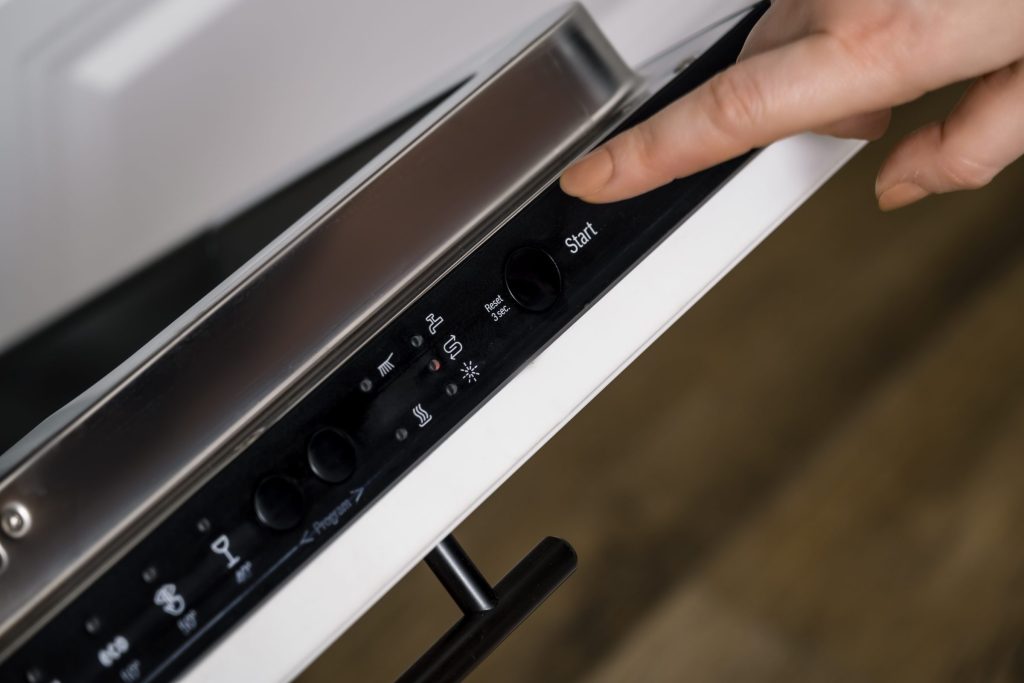
How to Reset a Bosch Dishwasher — Every Reset, and What Each One Clears
There are three different resets on these machines and most guides pick one and call it the answer. What each one actually clears, which codes survive all of them, and why photographing the display first matters more than the reset does.
Read more -
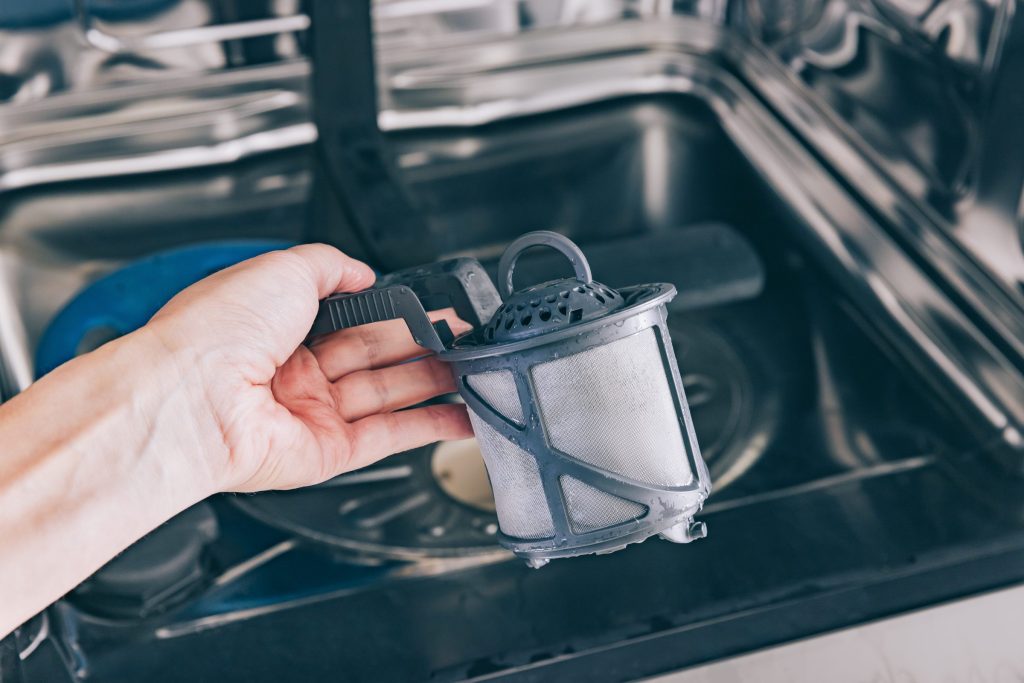
Clearing a Bosch Dishwasher That Will Not Drain, Step by Step
Five causes, four of which you can clear yourself in twenty minutes with a cup and a towel. The filter and the drain pump cover are designed to come out by hand — and between them they explain most standing water.
Read more
Tell us the model number and what it is doing.
This article is based on:
- Official manufacturer documentation
- Internal repair procedures
- Technician repair history
- Company quality standards