Troubleshooting
How to Reset a Bosch Dishwasher — Every Reset, and What Each One Clears
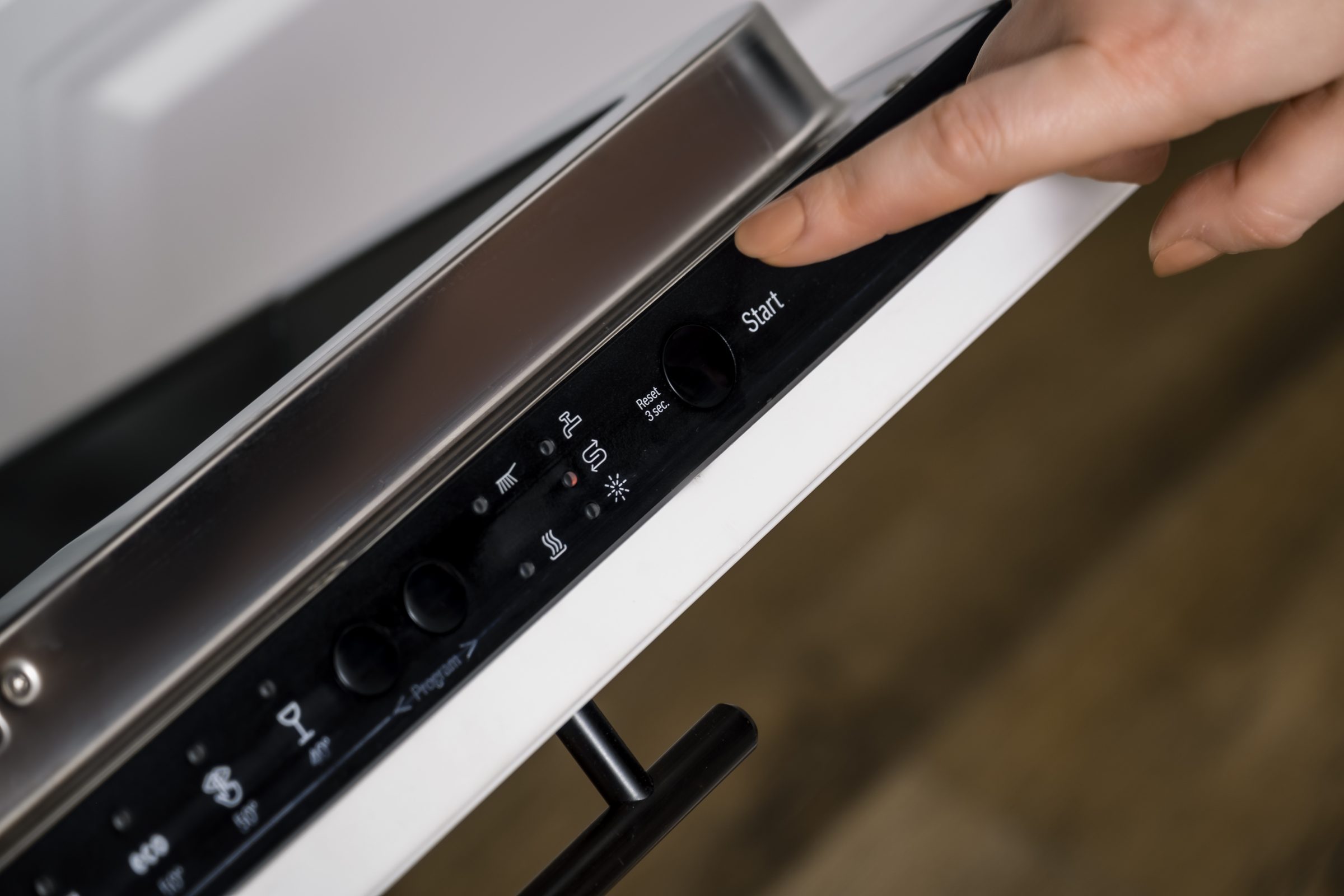
There are three. Canceling a running cycle is usually holding the Start key for three to five seconds until the display clears and the machine drains. Resetting the control is switching the machine off at its own On/Off key, waiting, and switching it back on. The full reset is cutting power at the breaker for five minutes. Each clears more than the one before it, and none of them repairs anything — a code that returns after a full reset is telling you something real.
The full guide
How do I reset my Bosch dishwasher? Do this before you reset anything
Photograph the display.
It is the one step you cannot go back and do later, and it is the step everybody skips. Codes clear themselves, and by the time a technician arrives the machine will usually be showing nothing at all — which means the single most useful piece of evidence has been erased by the thing you did to try to fix it.
Get every character. On the newer machines a code can be written with a colon and a second group of numbers, and the second group is the half that separates a blocked drain from a supply problem from too much detergent.
A reset is not a repair. It clears a state. If the condition behind that state is still there, the code comes back — and it coming back is genuinely useful, because it tells you in five minutes that the machine is reporting something real.
The three resets, gentlest first
1. Cancel the running cycle
Hold the Start key for three to five seconds. On most models the display clears and the machine runs a short drain to empty the tub.
This is the right one when a cycle has stalled — the machine is sitting there mid-wash and nothing is happening. It ends the program cleanly and leaves the machine ready to start again.
2. Switch the machine off and back on
Use the machine's own On/Off key rather than the breaker. Wait thirty seconds, switch it back on.
This clears the control's working state without touching anything stored. It is the reset for a machine behaving oddly — lights that do not match the cycle, a program that will not select — and it is enough surprisingly often.
3. Cut power at the breaker for five minutes
Genuinely off. Not standby, not the On/Off key — the breaker, or the plug if it is accessible under the sink.
Five minutes rather than thirty seconds, because the electronics hold enough charge to keep their state for longer than people expect. This is the full reset and it is the one that clears the transient conditions this city produces every storm season.
The switched outlet trap. The socket under the sink that a dishwasher plugs into is very often on the same switch as the garbage disposal. If somebody has flipped that switch, you have already performed a reset without meaning to — and if the machine is dead rather than misbehaving, that switch is the first thing to check.
What survives all three
Some conditions do not care how many times you reset the machine, because they are not states — they are the machine correctly reporting something physical.
- Water in the base pan. The leak protection has tripped, and the machine will keep refusing until the pan is dry and whatever filled it is fixed. Tipping the machine backwards drains the pan and clears the lockout — it is all over the internet — and it repairs nothing.
- A blocked drain. Reset it as often as you like; the water is still not leaving.
- Scale in the heat pump. The machine will keep saying so until it is descaled.
- A door that does not latch. No reset makes a machine start with a door it cannot confirm.
If your code is one of these, the reset has done its job: it has told you the condition is real.
After a power cut
Storm season here produces a run of machines that came back confused. The full reset — five minutes at the breaker — clears a fair share of them, and it is free.
The ones it does not clear often have real damage from a surge, and the timing is worth telling us when you book. "It has been doing this for a month" and "it started the night the power went out" lead to different first checks.
When to stop resetting and call
Once a code has survived a full reset, doing it a fourth time is not new information. At that point the useful things to have are the photograph you took at the start, the model number from the edge of the door, and a description of what the machine does rather than what it displays.
Between those three we can usually tell you the likely cause and the range before anybody drives anywhere.
If it turns out to be a repair
What this leads to, and what it costs
Every job on this site is priced the same way: an on-site diagnostic first, the figure agreed in writing before anybody starts.
-
Often the door, not the machine Dishwasher will not start
A machine that does nothing, starts and stops, or lights up and never fills. Door and power account for most of these, and both are worth checking before anything is booked.
- No lights at all
- Lights on but nothing happens
- Starts, then stops within a minute
-
100 · 300 · 500 · 800 · Benchmark Dishwashers
The appliance this brand is known for, and the one we are called out to most. Bosch dishwashers dry with condensation rather than a heating element and protect themselves with a leak sensor in the base, so two of the commonest complaints about them are the design working as intended — and two more are not.
- Water left standing in the tub
- E15 and the leak protection tripping
- Plastics coming out wet
-
from $95 Diagnostic visit
We read the code, reproduce what the appliance is doing, and check the cheap causes before anything expensive is proposed. The fee is credited toward the work when you go ahead.
- Codes read and reproduced on site
- The inexpensive causes checked first
- Credited toward the repair
Questions people ask about this
Which reset should I try first?
The gentlest that matches the problem. A cycle that has stalled mid-wash wants the cancel; a machine that is behaving oddly wants the off-and-on; a machine that came back strange after a power cut wants five minutes at the breaker.
Does a reset fix the problem?
Almost never, and that is the point worth taking away. A reset clears a state. If the condition that produced it is still there — a blocked filter, water in the base pan, a failing heat pump — the code returns on the next cycle, and its returning is useful information.
The code came straight back.
Then it means something. That is a good outcome from a reset: you have learned in five minutes that the machine is reporting a real condition rather than a hiccup, and you did it before anybody was booked.
Is there a factory reset?
There is a service mode on these machines, entered with a key combination that differs by model and generation. It is not a consumer reset and it is not a fix for anything on this page — it exists so a technician can read stored information and run tests.
It will not respond to any key.
Check the child lock first — usually a key held for a few seconds, and easy to set while wiping the panel. If the lock is off and nothing responds after a full reset, the control assembly is the question rather than the setting.
Troubleshooting
More guides like this one
-
How to Reset a Bosch Washing Machine, by Series
The reset differs by series and most guides pick one and present it as the answer. What works on which generation, what a reset will not clear, and the codes on these machines that are written with a colon and mean two things at once.
Read more -
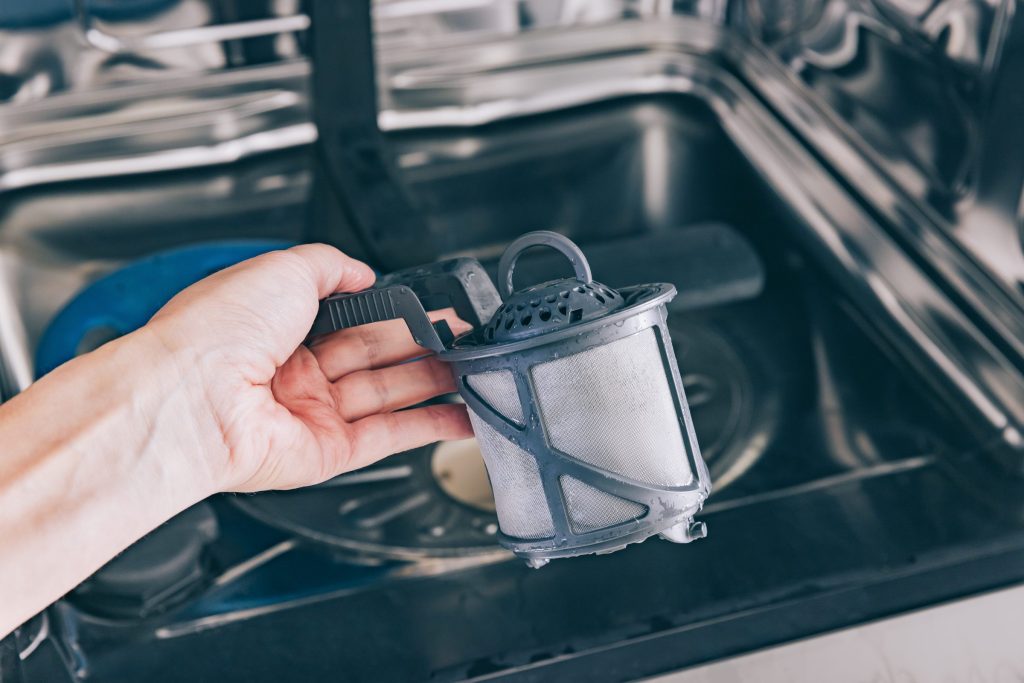
Clearing a Bosch Dishwasher That Will Not Drain, Step by Step
Five causes, four of which you can clear yourself in twenty minutes with a cup and a towel. The filter and the drain pump cover are designed to come out by hand — and between them they explain most standing water.
Read more -

How to Check What Your Refrigerator Is Really Doing, With and Without a Thermometer
Bosch refrigeration publishes three error codes in its entire US line, so measurement replaces the display. The glass-of-water method, what the numbers should be, and why the panel on the door is not evidence.
Read more
Tell us the model number and what it is doing.
This article is based on:
- Official manufacturer documentation
- Internal repair procedures
- Technician repair history
- Company quality standards