Common Problems
A Bosch Gas Burner That Keeps Clicking: What It Is Doing and How to Stop It
Continuous clicking means the ignition module is being told a burner is calling for a spark when it is not. The three usual reasons are moisture around an electrode after a spill or a clean, a burner cap sitting out of position so the flame never confirms, and debris in the ports. All three are checked cold with the gas off and cost nothing. If the clicking continues with everything dry and correctly seated, the ignition switch or the module is the question.
The full guide
Why does my Bosch stove igniter keep clicking when off? Which clicking you have
There are two, and they are different problems.
Clicking while you turn the knob, until the burner lights. That is the appliance working. On most of these cooktops a single ignition module sparks every electrode simultaneously — so all four or five click, and the one with gas flowing to it lights. It sounds excessive and it is normal.
Clicking that continues after the flame is established, or with every knob off. That is this page. Something is telling the module a burner is calling for a spark when none is.
The three causes, in the order they actually occur
1. Moisture around an electrode
By a wide margin the most common, and the most self-correcting.
The electrode is a small ceramic-sleeved probe sitting beside each burner. A boil-over, a spill, or a wet cloth dragged across the hob puts water where the spark is generated, and the module reads that as a burner asking for ignition.
What to do: with everything off and cold, lift each burner cap and the ring under it, and dry underneath thoroughly. Then leave it. If a clean or a spill preceded the clicking, give it a full day — the ceramic holds moisture longer than the surface looks like it should.
2. A burner cap out of position
Lift a cap and set it back a millimeter out of its recess and two things happen: the burner does not light cleanly, and the flame never sits where the sensor expects. The module keeps trying.
What to do: cold, with the gas off, take each cap off and put it back deliberately. It should sit flat, square, and drop into its recess without rocking. This is worth doing after any clean — caps go back in the wrong position more often than people expect, and two of them look identical until you try them.
3. Debris in the ports
The ports are the small holes around the burner ring, and a boil-over that dried in them changes how the flame travels. Part of the ring lights, part does not, and the ignition system keeps working at it.
What to do: cold and with the gas off, look along the ring. Anything baked into a hole clears with a pin or a stiff brush. Do not use anything that will widen the hole.
Everything on this list is done cold, with the burners off. Not because the job is dangerous but because a hot cap will burn you and a lit burner will not tell you anything useful.
What South Florida adds
Near the water the electrodes and their leads corrode faster than the manufacturer's schedule assumes. Salt in the air reaches the underside of the cooktop, and an electrode that has to spark through corrosion sparks weakly — which produces clicking that never resolves into a flame, and eventually a burner that will not light at all.
It is a slow failure and it announces itself: the burner takes longer and longer to catch, over weeks, before it stops. That is the cheap moment to deal with it.
When it is the module or the switch
If everything is dry, the caps are seated, the ports are clear, and it still clicks with the hob switched off, the problem is upstream of the burners.
- A stuck ignition switch behind one of the knobs, telling the module that knob is turned when it is not. Often the clicking correlates with one specific knob's position.
- The ignition module itself. Less common, and usually accompanied by weak sparks everywhere rather than clicking with everything off.
Both are real repairs and neither is a large one. What decides which is a measurement rather than a guess, and it is quick.
What we do on the visit
The free causes first, in front of you, because they are the answer most of the time and because you should be able to do them yourself next time. Then the switches, then the module. Ten minutes of that usually settles it.
If you can smell gas at any point — not the momentary whiff when a burner lights, but gas — stop, turn everything off, leave the doors open and call the gas utility. That is ahead of us in the queue, and no appliance question is worth working around it.
If it turns out to be a repair
What this leads to, and what it costs
Every job on this site is priced the same way: an on-site diagnostic first, the figure agreed in writing before anybody starts.
-
One burner or all of them Gas burner will not light
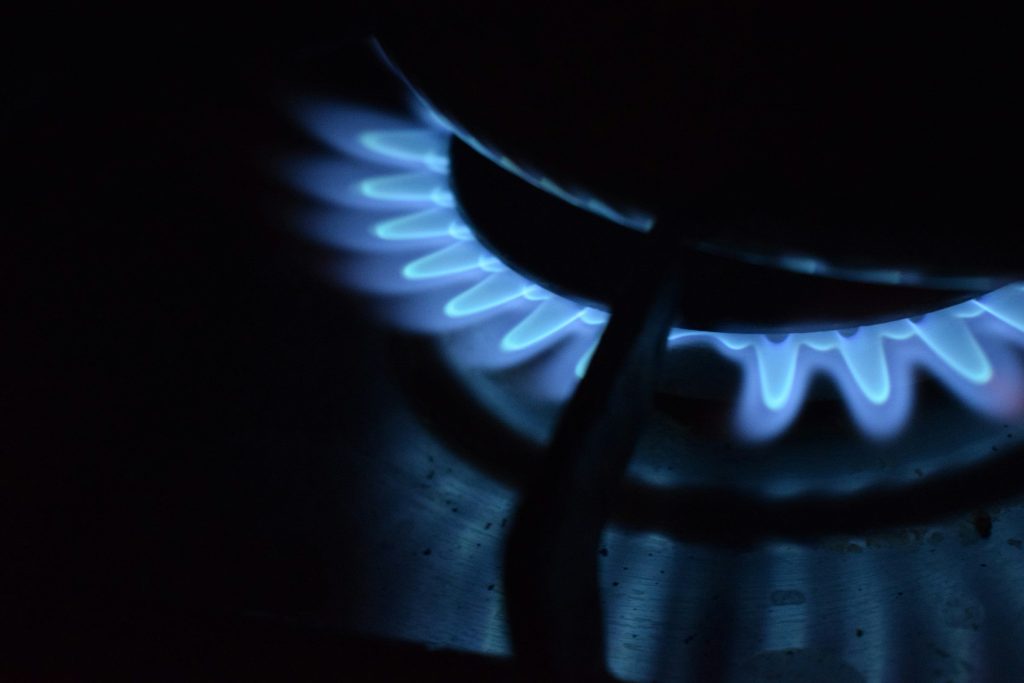
Igniters clicking without catching, a burner that lights and goes out, or a flame that has turned yellow. Whether it is one burner or every burner is the fastest diagnostic on this site.
- Clicks but does not catch
- Lights, then goes out when released
- A yellow or lifting flame
-
from $145 Gas burner & igniter repair
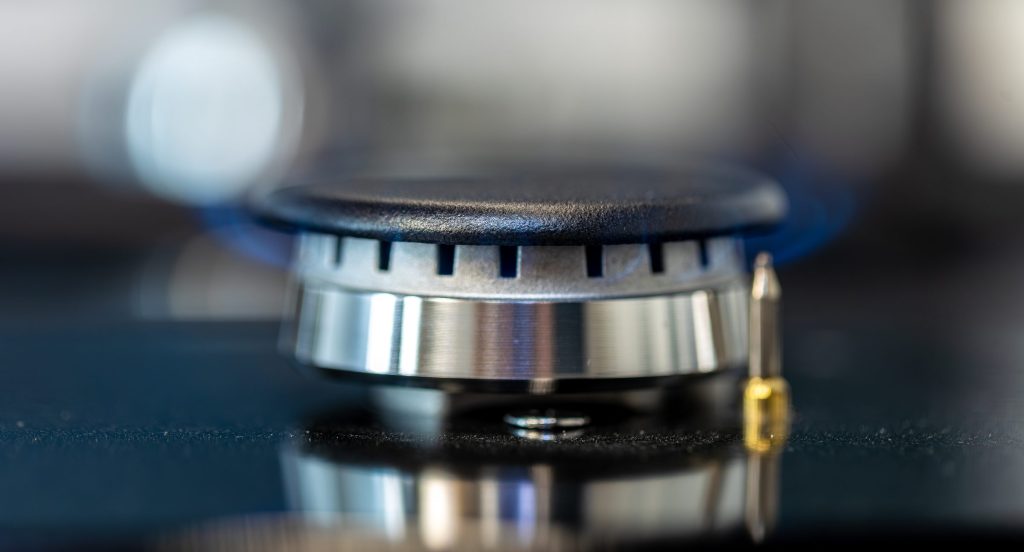
Igniters that click without catching, burners that will not hold a flame, or a flame that is yellow when it should be blue. Whether it is one burner or all of them is the fastest diagnostic there is.
- Igniters, electrodes and the module
- Burner caps, ports and the flame itself
- Gas oven igniters that fail slowly
-
Gas · dual-fuel · electric · induction Ranges
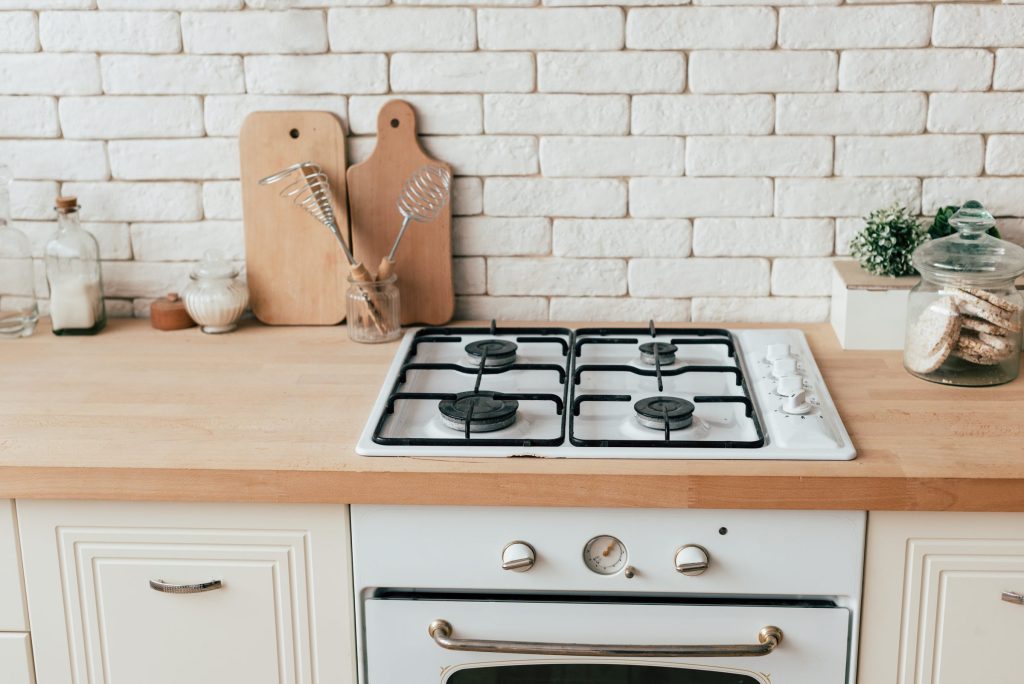
Slide-in and free-standing ranges in all four fuel configurations. A range is two appliances in one chassis — a cooktop and an oven that share a control board — and knowing which half is misbehaving is most of the diagnosis.
- Burners that will not light or hold
- Oven not reaching temperature
- Display codes that cover both halves
-
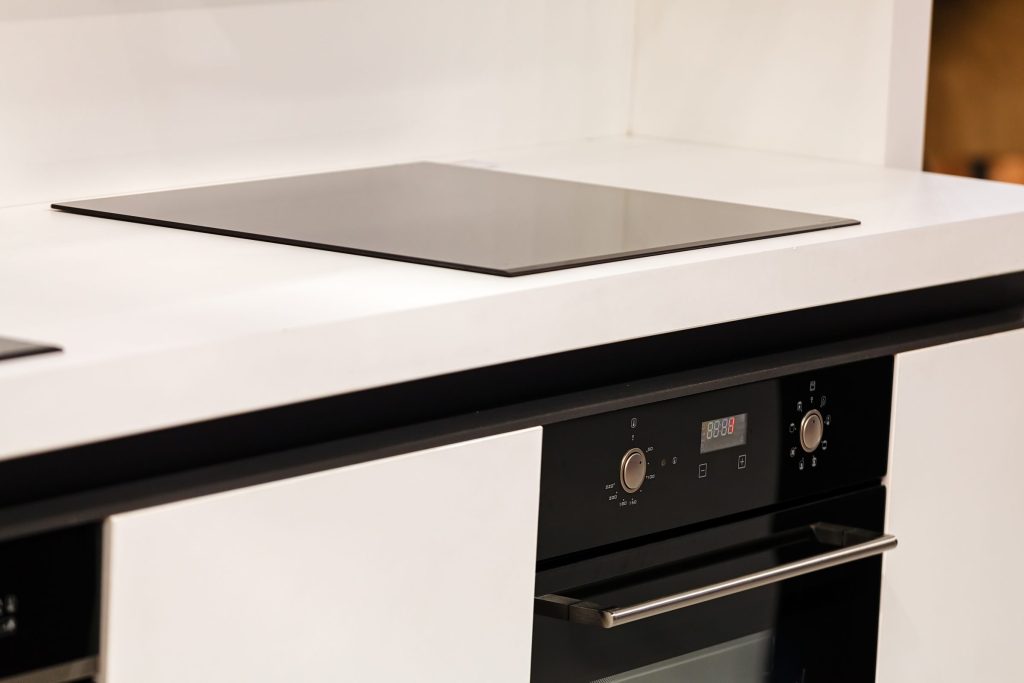
Induction · gas · electric · 24"–36" Cooktops & rangetops
Induction, gas and radiant electric cooktops, plus the professional rangetops. Most of what an induction top does when something is wrong is protect itself — it switches a zone off, shows a code and waits — and telling that apart from a failure saves a great many visits.
- A zone switching itself off mid-cook
- Controls locked or unresponsive
- Codes about supply voltage
Questions people ask about this
All the burners click when I light just one. Is that broken?
No, that is how most of these cooktops work — one ignition module sparks every electrode at once and the burner with gas at it lights. What is not normal is clicking that carries on after the flame is established.
It started right after I cleaned the hob.
Then it is almost certainly moisture around an electrode. Dry everything thoroughly, take the caps off and dry underneath them, and give it a day before deciding anything is wrong. This is the single most common cause and it fixes itself.
Is it safe to keep cooking?
If the burners light normally and hold a steady blue flame, yes. The clicking is a spark generator firing into a burner that is already lit, which is annoying rather than dangerous. If you can smell gas at any point, that is different — turn everything off and call the gas company before anybody else.
How do I stop it right now?
Switch the cooktop off at the breaker for a minute. That silences it. It will usually come back when the power does unless the underlying cause has dried out — but it buys quiet while you work through the checks.
One burner will not light at all, and there is no clicking from it.
Different problem, and worth saying separately when you book. No spark at one position points at that electrode or its lead; no spark anywhere points at the module or its supply.
Common Problems
More guides like this one
-
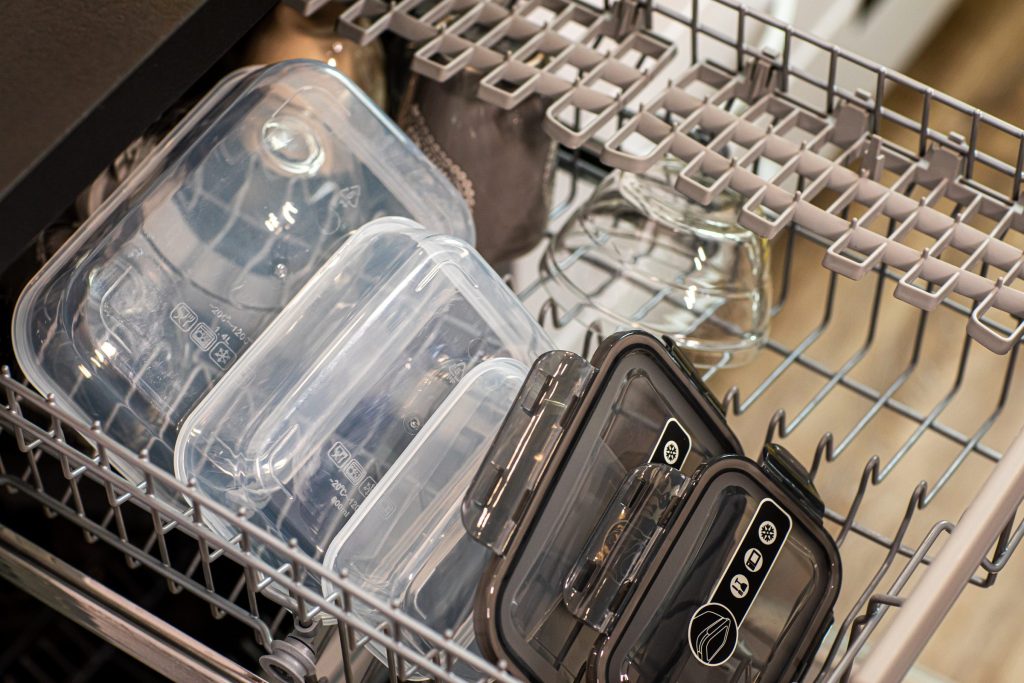
Why Your Bosch Dishwasher Leaves Plastics Wet — and When It Is Actually a Problem
The single most common call we take on this brand, and most of the time there is nothing to repair. How condensation drying works, why plastic is the one thing it cannot do well, and the two cases where wet dishes are a genuine failure.
Read more -
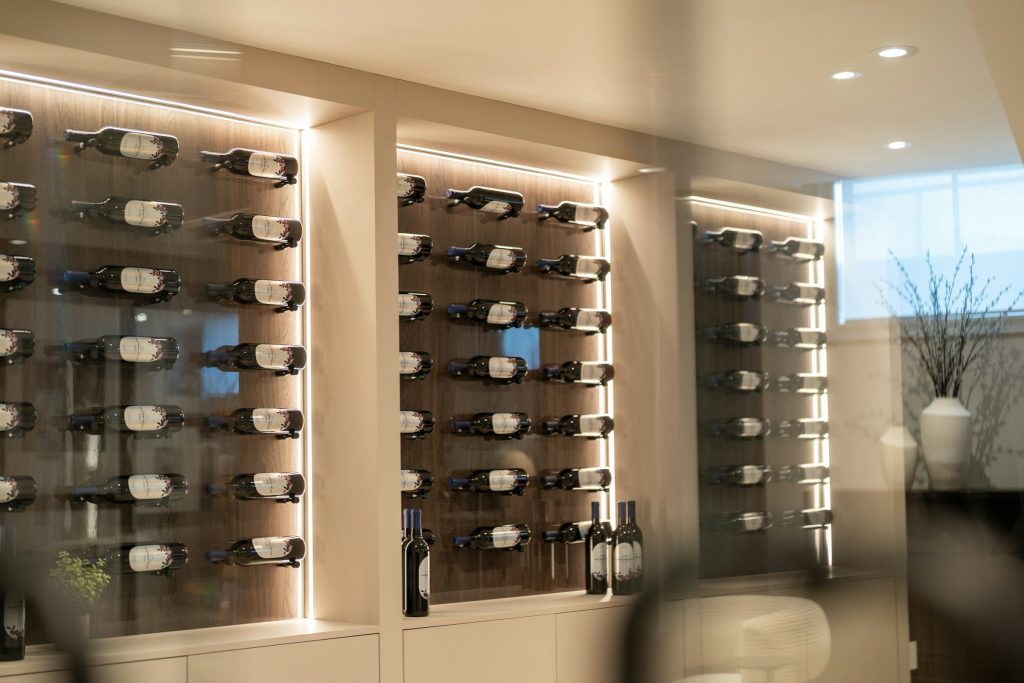
Bosch Wine Storage Is a Drawer, Not a Cabinet — and That Changes What Goes Wrong
There is no standalone Bosch wine cooler in the United States. Wine lives in a glass-fronted drawer built into a French-door refrigerator, sharing that refrigerator's cooling — which means a warm drawer above a healthy fridge is an air-distribution problem, not a compressor one.
Read more -
Your Bosch Oven Says SAFE: What It Means and How to Clear It
SAFE on the display is not an error and not a warning. It is the control lock, and it is switched on and off with a key you are probably looking at. Here is how to clear it, and how to tell it apart from the self-clean door lock, which is a different thing entirely.
Read more
Tell us the model number and what it is doing.
This article is based on:
- Official manufacturer documentation
- Internal repair procedures
- Technician repair history
- Company quality standards