Troubleshooting
Clearing a Bosch Dishwasher That Will Not Drain, Step by Step
Bail out the standing water, twist out the filter in the floor of the tub and rinse it, lift the drain pump cover beside it and clear any debris, then click the cover firmly back until it seats. If it still will not drain, check the drain hose behind the machine for kinks, clear the air gap on the counter, and — if a garbage disposal was fitted recently — check that its knockout plug was punched out. Four of those five need no tools and no parts.
The full guide
How to fix a Bosch dishwasher that won't drain: before you start
Have a cup, a towel and a shallow tray. Switch the machine off at the wall or the breaker — not because there is any danger in what follows, but because a machine that decides to start a cycle while your hand is in the sump is an unpleasant surprise.
Twenty minutes, no tools, no parts. Four of the five causes end here.
This is the most common call we take on this brand, and it has an unusually good ratio of easy causes to expensive ones. The two things most likely to be wrong are both designed to be removed by hand, without tools, by the person who owns the machine.
Step 1 — bail it out
You cannot see anything under three inches of gray water and you cannot lift the pump cover with the tub full. A cup and a towel, until the floor of the tub is damp rather than flooded.
If the water is hot, wait. It came from a cycle that stopped part way and it will be at wash temperature.
Step 2 — the filter
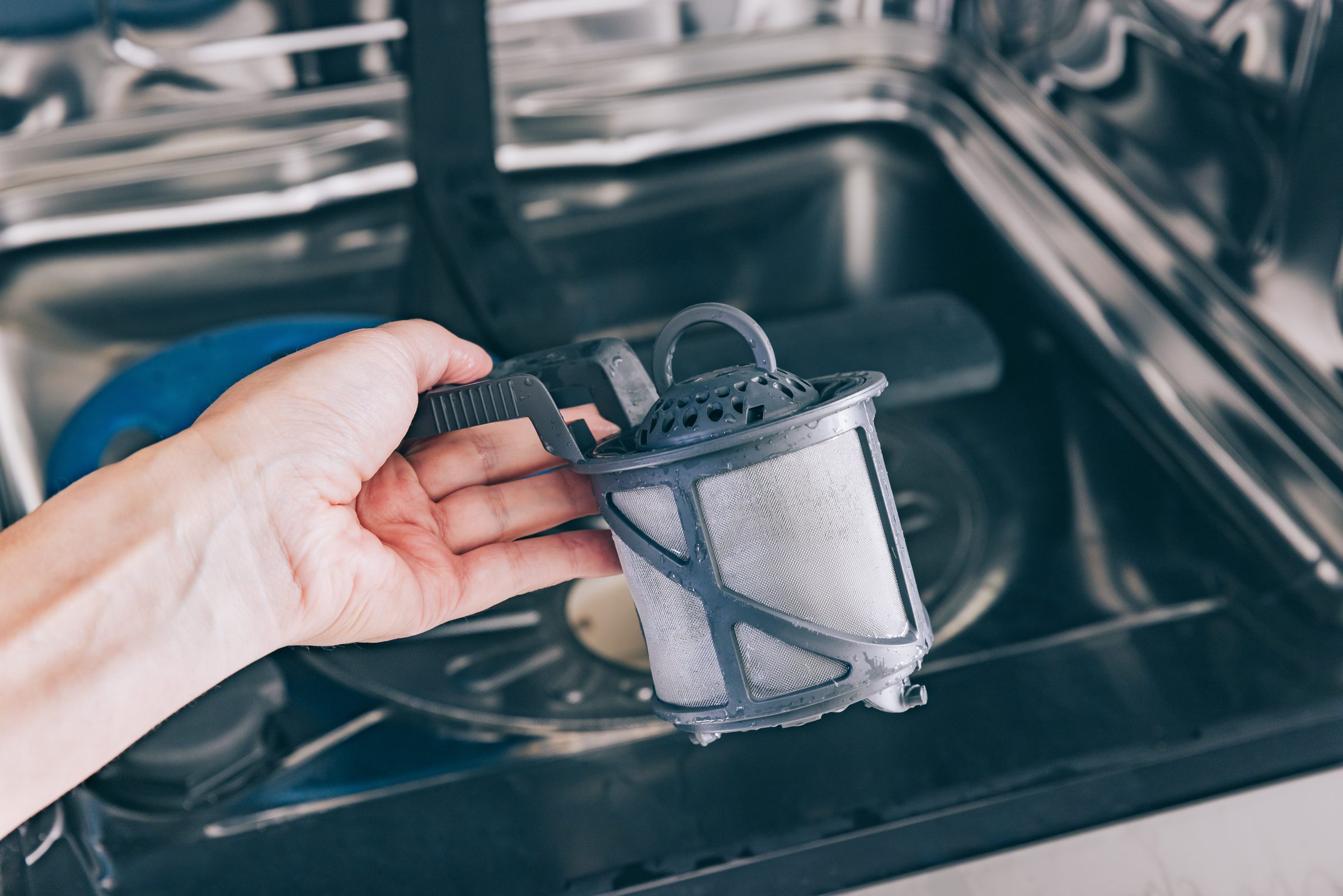
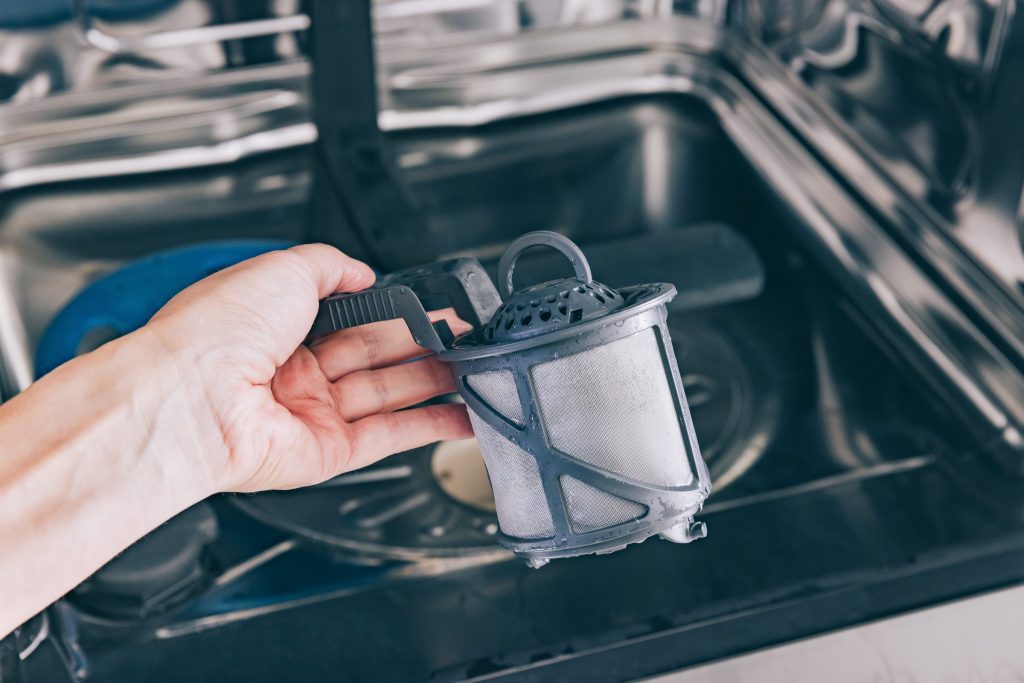
In the floor of the tub is a cylindrical filter assembly. It unscrews by hand. Turn it counter-clockwise, lift the whole thing out, and look at what comes with it.
Rinse it under a running tap with a little washing-up liquid and a soft brush — a nail brush is ideal. What you are removing is a mat of food, seeds, labels and grease that has stopped water passing through.
This alone is the answer a large share of the time.
Step 3 — the pump cover
Beside where the filter was is a small plastic cover, usually with an arrow or an unlock symbol on it. It lifts straight out.
Underneath is the drain pump impeller. Clear anything sitting on or around it — the classics are a fragment of glass, a fruit sticker, a cherry stone, and a piece of a plastic lid. Turn the impeller gently with a finger; it should move freely.
A pump that hums without moving water is usually jammed rather than dead. That distinction is the difference between a twenty-minute clean and a part, and it is why this step matters more than its size suggests.
Step 4 — refit properly
The cover has to seat and click. This gets its own step because a cover left slightly proud produces exactly the symptom you are trying to fix, and people who have just done everything right assume the machine is broken.
Push it down and turn it until it locks. Then put the filter back and screw it home hand-tight.
Step 5 — the path out
If it still will not drain, the problem is downstream.
- The hose. Pull the machine forward far enough to see behind it. A hose kinked when the machine was last pushed back is common and free to fix.
- The high loop. The hose should rise close to the underside of the counter before dropping to the waste. Without that loop, sink water flows back into the machine — which also explains a dishwasher that smells of the sink.
- The air gap. If there is a small chrome cylinder on the counter beside the tap, take its cap off and clear the debris inside. They block, and when they do the machine cannot drain at all.
- The disposal knockout plug. If a garbage disposal was fitted at any point and the dishwasher has not drained properly since, this is almost certainly it. The disposal ships with a plug in its dishwasher inlet, and whoever connected the hose has to punch it out.
Step 6 — prove it
Run a full cycle, not a rinse, and be in the room when it reaches the drain. It is the only way to know, and it takes an hour of doing something else nearby.
When to stop and call
If the filter and the pump cover were clean, the hose is straight, the air gap is clear and there is no disposal in the story, the pump itself is the likely answer — and that is a part rather than a clean. It is a well-designed replacement and usually a same-visit job.
Photograph the code before you clear it. On this brand the same drain condition is published under several labels depending on the age of the machine, and knowing which one your machine shows tells us which generation of pump to bring.
One thing worth knowing about the water you bailed out: a small amount of water sitting in the sump between cycles is normal on these machines and keeps the seals from drying out. What is not normal is water above the filter, or water that is still there a day later.
If it turns out to be a repair
What this leads to, and what it costs
Every job on this site is priced the same way: an on-site diagnostic first, the figure agreed in writing before anybody starts.
-
The most common call Dishwasher not draining
Water standing in the bottom of the tub after a cycle. Two of the five causes come out by hand without tools, which makes this the symptom most worth five minutes before booking anything.
- Standing water after every cycle
- A code in the twenties, or four flashing lights
- Dishes clean on top, wet and gritty below
-
from $145 Dishwasher drain repair
Standing water in the tub, and the biggest single category of call this brand generates. The filter and the drain pump cover come out by hand — a good share of these are finished before a part is ordered.
- Filter, pump cover, hose and air gap
- Drain pump replacement where it is the pump
- Tested on a full cycle before we leave
-
100 · 300 · 500 · 800 · Benchmark Dishwashers
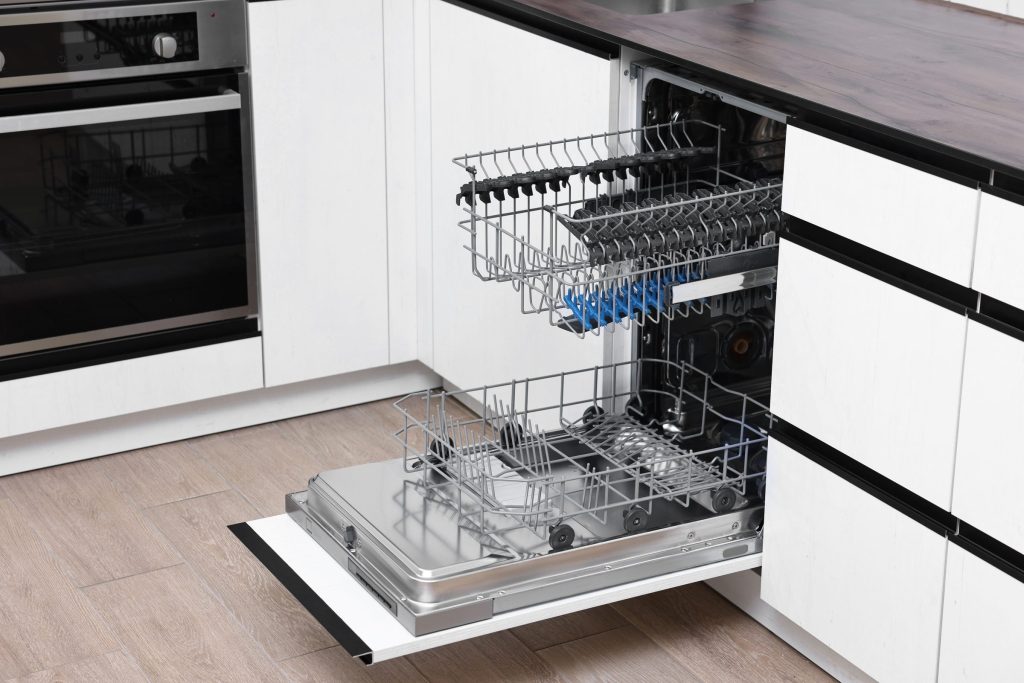
The appliance this brand is known for, and the one we are called out to most. Bosch dishwashers dry with condensation rather than a heating element and protect themselves with a leak sensor in the base, so two of the commonest complaints about them are the design working as intended — and two more are not.
- Water left standing in the tub
- E15 and the leak protection tripping
- Plastics coming out wet
Questions people ask about this
It shows E24, or four lights are flashing. Same thing?
Yes, and it is worth knowing. Bosch labels this condition differently by generation: a two-digit code in the twenties on older machines, a four-digit code on newer ones, and on a machine with no digital display, a pattern of flashing lights above the door. All three mean the water is not leaving.
The dishwasher has never drained since we got a new garbage disposal.
Then it is almost certainly the knockout plug. A new disposal ships with a plug in the dishwasher inlet, and it has to be punched out when the dishwasher is connected. When it is not, the machine has never drained and never will — and that is an installation fix rather than a repair.
Why does it keep coming back?
Hard water and grease build a film in the drain path here that a hotter, softer-water machine would carry away. Cleaning the filter once a month stops most of it, and it takes two minutes once you have done it the first time.
Can I use a drain cleaner in it?
Please do not. Chemical drain cleaners are aggressive toward the seals and the plastics in a dishwasher, and the blockage is nearly always something solid sitting in the pump or the filter rather than a film you can dissolve.
It drains slowly rather than not at all.
The same causes caught earlier, and it is a better moment to look. Slow draining is usually the filter or a partly kinked hose, and dealing with it then avoids the version where the machine stops mid-cycle with a full tub.
Troubleshooting
More guides like this one
-
How to Reset a Bosch Washing Machine, by Series
The reset differs by series and most guides pick one and present it as the answer. What works on which generation, what a reset will not clear, and the codes on these machines that are written with a colon and mean two things at once.
Read more -
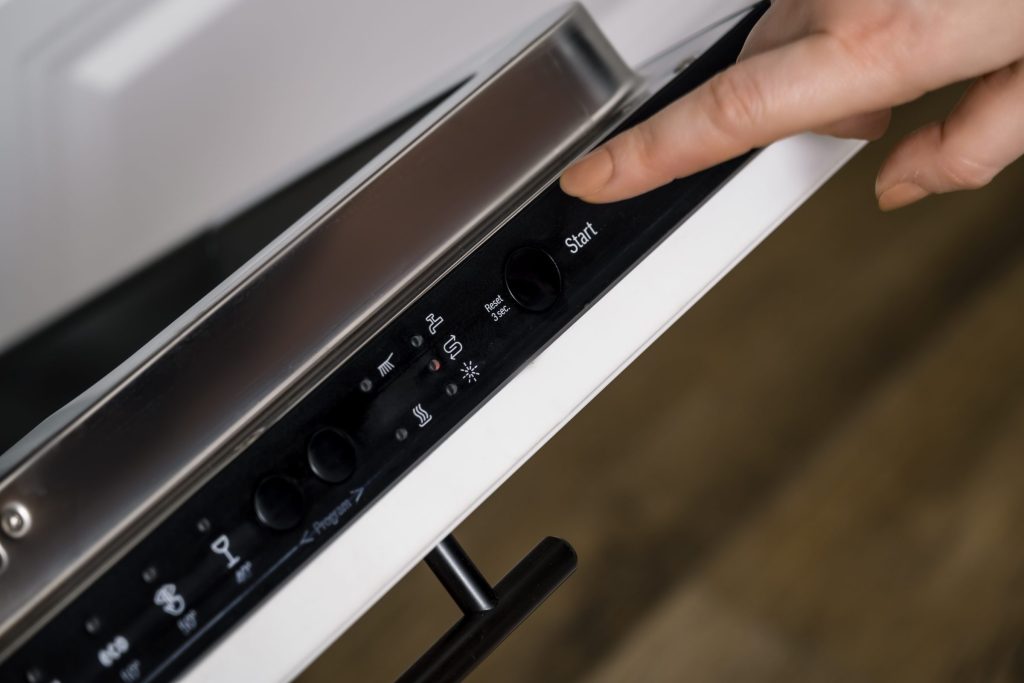
How to Reset a Bosch Dishwasher — Every Reset, and What Each One Clears
There are three different resets on these machines and most guides pick one and call it the answer. What each one actually clears, which codes survive all of them, and why photographing the display first matters more than the reset does.
Read more -
How to Check What Your Refrigerator Is Really Doing, With and Without a Thermometer
Bosch refrigeration publishes three error codes in its entire US line, so measurement replaces the display. The glass-of-water method, what the numbers should be, and why the panel on the door is not evidence.
Read more
Tell us the model number and what it is doing.
This article is based on:
- Official manufacturer documentation
- Internal repair procedures
- Technician repair history
- Company quality standards