Troubleshooting
How to Reset a Bosch Washing Machine, by Series
On most Bosch washers the reset is to turn the program dial to Off, wait a few seconds, then turn it back to a program — or on dial-less models, to hold Start/Pause for around five seconds. On several series there is also a longer sequence that resets the control fully. All of them are cleared further by cutting power at the breaker for five minutes. None of them repairs a blocked pump, a door that will not lock, or water sitting in the base of the machine.
The full guide
How to reset Bosch washing machine Serie 4, and why there is no single answer
Search this question and you get half a dozen confident procedures that contradict each other. They are all correct for the machine the person writing had.
Bosch has sold washers here with a program dial and without one, with a display and with three lights, across several generations of control. A sequence written for a Serie 4 does nothing at all on a Serie 8, and the older Maxx machines are different again.
The model number on the door collar is what settles it. Open the door and look at the metal or plastic collar around the opening — the plate is usually at the bottom.
Do this first, whatever your machine is: photograph the display. Codes clear when you reset, and on these machines the code is written in two halves. Losing the second half is losing the half that says what is actually wrong.
The three methods
The dial
On a machine with a program dial: turn it to Off, wait a few seconds, turn it back to a program. That clears the running state on most series and is the one to try first.
Some generations want the dial left off for longer — thirty seconds rather than five — and a few respond to being turned to a specific position and back. If the short version does nothing, the long version is worth a go before moving on.
Holding Start/Pause
On a machine with no dial: press and hold Start/Pause for around five seconds until the display clears.
This is the equivalent action and it does the same job. On some models the same key held longer enters a different mode entirely, so if the display starts showing something unfamiliar, stop and let it time out.
The breaker
Five minutes, genuinely off. This is the full reset, and it is the one that clears the electronics conditions that cluster here after a power cut.
Not standby, and not the socket in the closet unless you are sure the machine is the only thing on it. Five minutes rather than thirty seconds.
Drain it before you reset it
A washer with water in the drum will not spin and will not open, and no reset changes either.
Behind the flap at the bottom front of the machine is the pump filter, with a short drain spout beside it on most models. Unplug the machine, put a shallow tray under the spout and a towel under that, and let the water out. Then unscrew the filter and clear it while you are there.
That flap is the single most useful thing about this machine that nobody is told about. Coins, hair grips and a surprising volume of lint come out of it, and cleaning it every few months prevents most of what we are called out for.
What a reset will never fix
- Water in the base of the machine. The leak protection has tripped and it is doing its job. In a laundry closet above somebody else's ceiling that lockout is worth a great deal — turn the tap off and leave it off.
- A blocked drain. The water still is not leaving.
- A door that will not lock. Usually something caught in the seal, or a full load pressing on the door, and there is a published code that says exactly this.
- Too much detergent. A compact high-efficiency drum needs a fraction of what the bottle suggests, and foam confuses the machine's level sensing. Halve it on the next load.
- An unbalanced load. The machine slows the spin, redistributes and tries again on purpose. That is protection, not a failure, and it extends the cycle by design.
The two-part codes, briefly
Because they cause more confusion than anything else on these machines:
| What you see | What it usually is |
|---|---|
E:30 / -10 | Water not arriving — tap, inlet filters, pressure |
E:30 / -80 | Water not leaving — hose, standpipe, outlet height |
E:30 / -20 | Too much detergent |
E:36 variants | Drain pump blocked |
E:00 / -23 | Water in the base — turn the tap off |
Two machines showing "E:30" can have completely different problems. That is why the photograph matters, and why "it says E30" over the phone is only half a sentence.
When to stop
Once a code has survived the dial, the hold and five minutes at the breaker, resetting again is not new information. Send us the photograph, the model number from the door collar, and how the pair is installed — stacked in a closet or standing side by side. Those three decide most of what happens next.
If it turns out to be a repair
What this leads to, and what it costs
Every job on this site is priced the same way: an on-site diagnostic first, the figure agreed in writing before anybody starts.
-
Door, power or supply Washer will not start
A machine that does nothing, or one that lights up and never fills. The door lock and the water supply account for most of it, and both are worth a minute before booking.
- No response at all
- Lights on but the cycle never begins
- Starts, then stops without filling
-
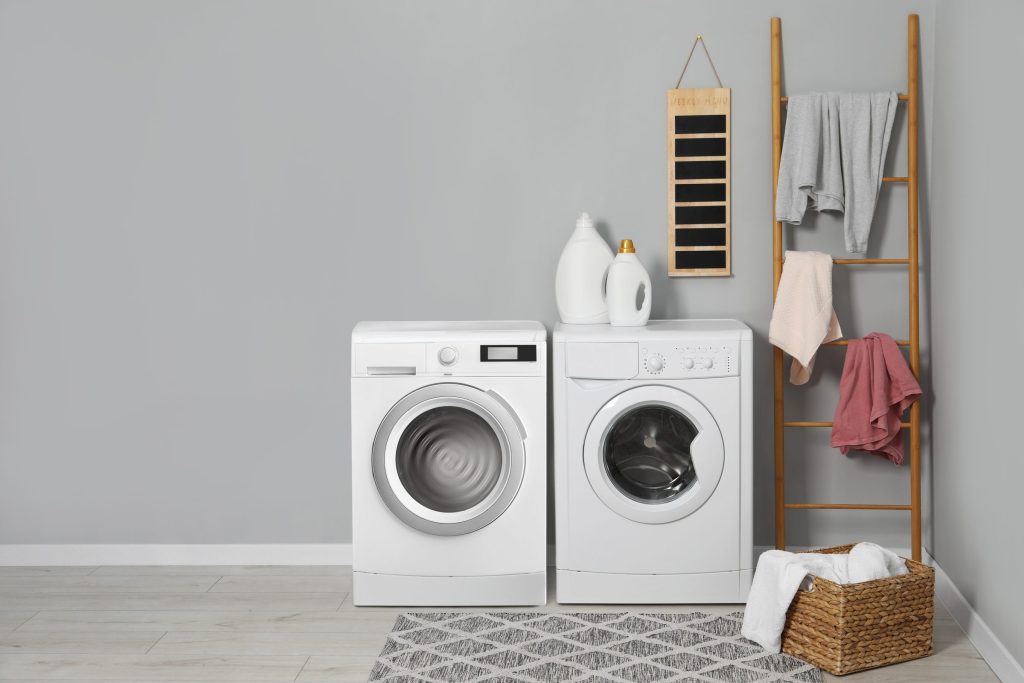
24" compact · stackable Washers
Bosch laundry in this market is almost always the 24-inch compact pair, stacked in a closet or tucked under a counter. That is a different machine from a full-size American washer and a different job to reach — and it is why so much of what we are called out to here is a drain, a filter or a load that will not balance.
- Will not drain or will not spin
- Stopping mid-cycle on a code
- Walking, banging or refusing to balance
-
from $95 Diagnostic visit
We read the code, reproduce what the appliance is doing, and check the cheap causes before anything expensive is proposed. The fee is credited toward the work when you go ahead.
- Codes read and reproduced on site
- The inexpensive causes checked first
- Credited toward the repair
Questions people ask about this
My code has a colon and two groups of numbers.
That is the newer format and the second group is the half that matters. E:30 with -10 is water not arriving; E:30 with -80 is water not leaving; E:30 with -20 is too much detergent. Photograph the whole thing, because the first half alone sends everybody to the wrong page.
Why do the guides all say something different?
Because the machines differ. A Serie 4 with a dial, a Serie 8 without one and an older Maxx are three different control designs, and a sequence written for one does nothing on another. The model number on the door collar settles which yours is.
The door will not open after the reset.
There is water in the drum, or the machine has not confirmed the drum has stopped. Drain it through the pump filter at the bottom front — have a shallow tray ready, there is more in there than you expect — and the door releases.
It resets and then stops at the same point every cycle.
That is a real condition rather than a state, and stopping at the same point is a useful clue. Stopping before the fill is usually supply or the door lock; stopping before the spin is usually drainage.
Does the reset clear the error history?
Not the stored history, no — that is what the service mode is for and it is a technician's tool. It clears the current state, which is why the photograph you took first is the thing that survives.
Troubleshooting
More guides like this one
-
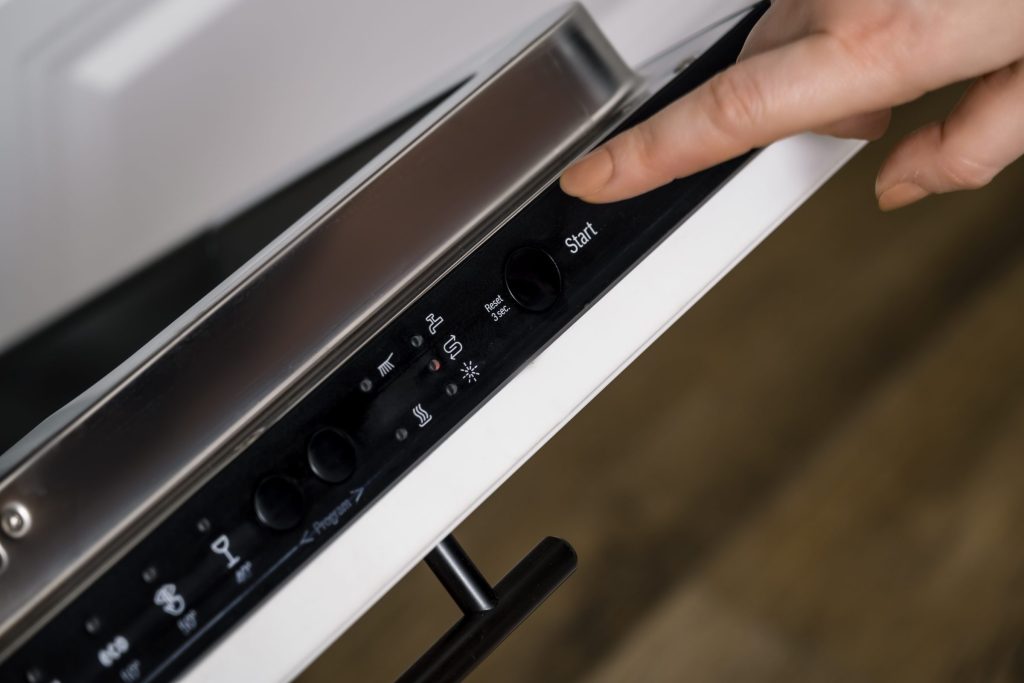
How to Reset a Bosch Dishwasher — Every Reset, and What Each One Clears
There are three different resets on these machines and most guides pick one and call it the answer. What each one actually clears, which codes survive all of them, and why photographing the display first matters more than the reset does.
Read more -
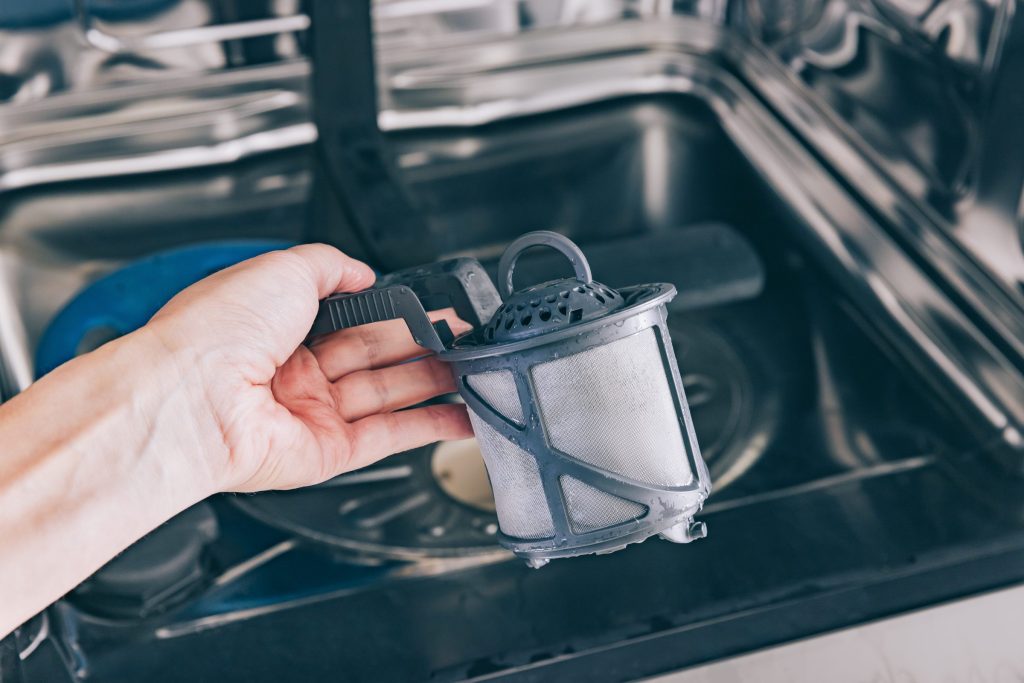
Clearing a Bosch Dishwasher That Will Not Drain, Step by Step
Five causes, four of which you can clear yourself in twenty minutes with a cup and a towel. The filter and the drain pump cover are designed to come out by hand — and between them they explain most standing water.
Read more -

How to Check What Your Refrigerator Is Really Doing, With and Without a Thermometer
Bosch refrigeration publishes three error codes in its entire US line, so measurement replaces the display. The glass-of-water method, what the numbers should be, and why the panel on the door is not evidence.
Read more
Tell us the model number and what it is doing.
This article is based on:
- Official manufacturer documentation
- Internal repair procedures
- Technician repair history
- Company quality standards