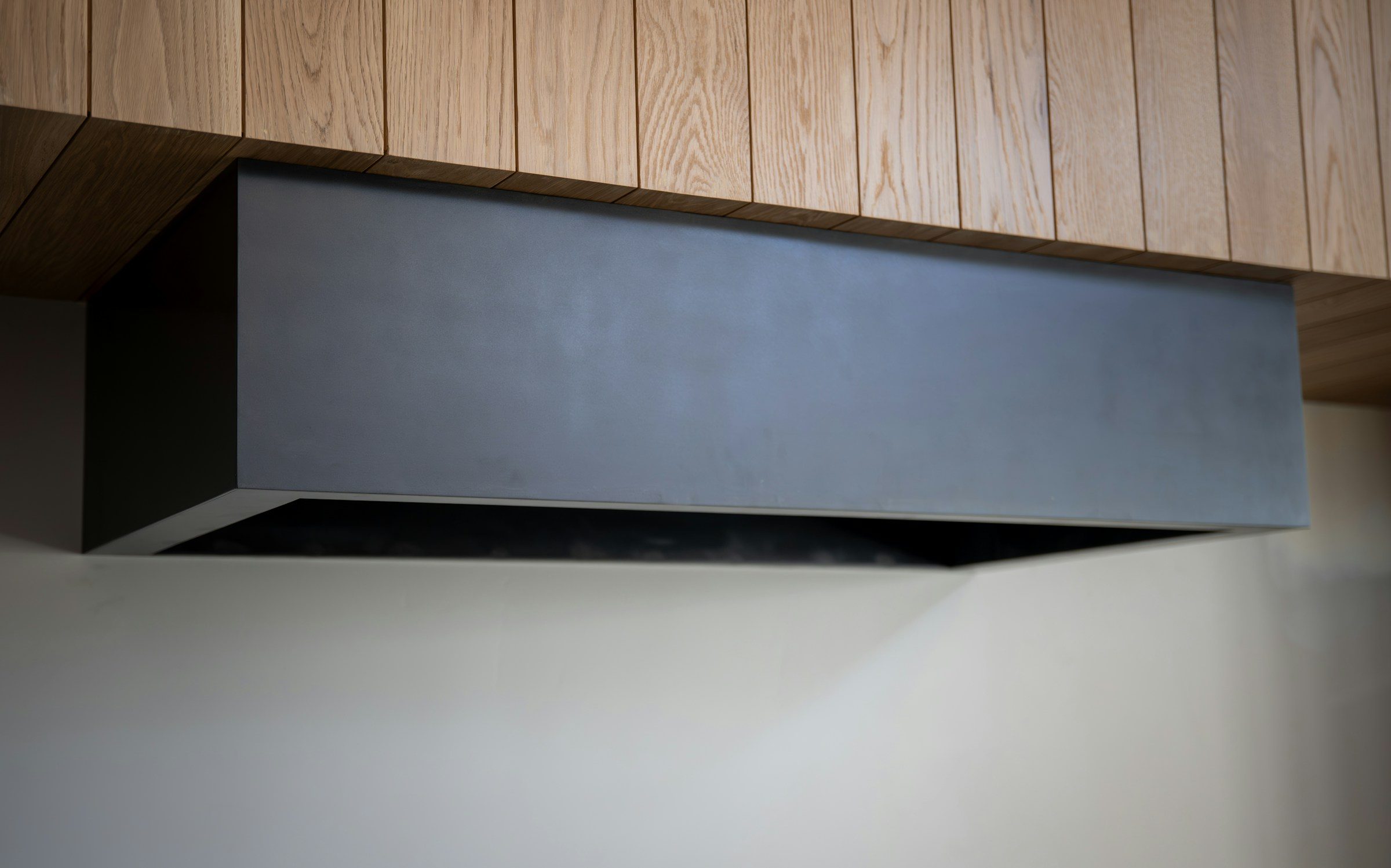
Maintenance & Prevention
Cleaning a Bosch Range Hood Filter, and the One Most Owners Do Not Know About
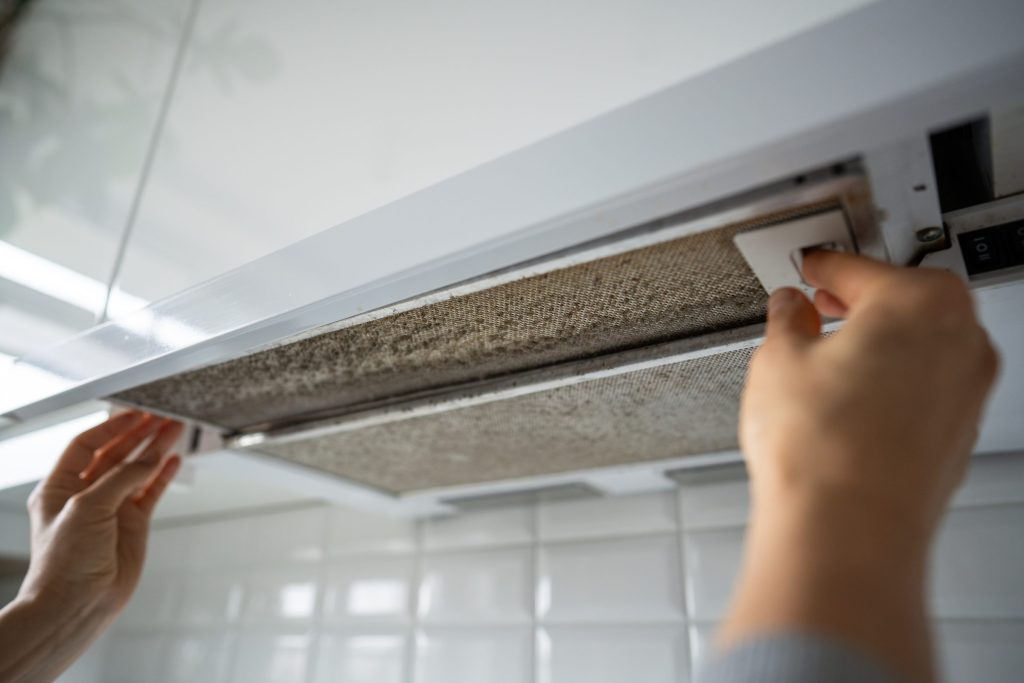
The metal mesh grease filters unclip from underneath the hood and can be washed by hand in hot soapy water or, on most models, in the dishwasher — expect aluminum ones to discolor. Do it monthly. The charcoal filter, fitted only to recirculating hoods, cannot be washed at all: it is a consumable and needs replacing every six to twelve months. In a condo the hood is very often recirculating, and a saturated charcoal filter is why a healthy-sounding hood moves nothing.
The full guide
How to clean Bosch range hood grease filter: there are two filters and they are nothing alike
Nearly every hood problem we are called out to comes down to which of these two the owner has, and whether it has been dealt with.
The grease filter is the metal mesh panel you can see from underneath. It catches the fat that rises off the hob. It washes, it lasts for years, and it needs doing monthly.
The charcoal filter is a solid cassette hidden above or behind it, and it exists only on recirculating hoods. It removes odor from air that is about to be blown back into the kitchen. It does not wash. It is a consumable, like a water filter, and it needs replacing every six to twelve months.
Almost nobody knows about the second one.
Why this matters more in a high-rise. A recirculating hood has nowhere to send the air, so everything it does depends on that charcoal cassette. Once it is saturated, the hood is a fan stirring greasy air around the room. In a Brickell or Sunny Isles tower, where nothing vents through an exterior wall, that is the normal case rather than the exception.
Washing the grease filters
- Unclip them. Reach under the hood; each filter has a sprung catch you pull toward you, and the panel drops down and out.
- Soak in hot water with washing-up liquid, and a tablespoon of baking soda if they are badly loaded. Twenty minutes of soaking beats twenty minutes of scrubbing.
- Brush along the mesh with a soft brush, then rinse thoroughly.
- Hold one up to a light. You should see light through the whole panel. Dark patches are sections still blocked, and those are the sections not passing air.
- Dry them completely before refitting. In this humidity, putting a wet filter back against a steel housing is asking for corrosion at the contact points.
In the dishwasher? Most models allow it and the manual usually says so. The one thing to know is that aluminum mesh comes out dull and chalky — permanently. On a visible chimney hood that matters; on an under-cabinet one nobody sees, it does not.
The charcoal filter
Find out first whether you have one. Look at the top of the hood: a duct going up or back means ducted, and there is no charcoal filter. A closed top with vents at the front means recirculating, and there is.
If you have one, its part number is model-specific. Note the model number off the plate — usually inside the hood behind the filters — and order against that rather than a description.
Six to twelve months. Heavy cooking, six.
The part that is not a filter at all
If the filters are clean and the hood still moves nothing, the problem is at the far end.
Near the water, the outside cap is the part that ages first. A wall or roof cap has a damper flap that opens when the fan runs and closes when it stops, and salt corrodes the hinge until it stops opening. The hood then sounds exactly as it always did and moves no air whatsoever.
It is worth looking at from outside, from a balcony or the garden, before anybody opens the hood itself. It is the single most missed cause of a "weak" hood on the coast.
A quick test worth knowing. Hold a sheet of tissue paper up to the hood with the fan on full. It should hold there. If it drops immediately, nothing is being pulled — and the question is filters, duct or cap rather than the motor.
What else is in there
While the filters are out, look up into the housing. Grease collects on the fan blades and inside the plenum, and enough of it changes the balance of the blade and the sound of the hood. That is not an owner job — it comes off with degreaser and time — but noticing it is worth doing, because a hood that has been running with blocked filters for years usually has a decade of it up there.
How to tell whether a hood is actually working
A hood is the one appliance in a kitchen with no display, no code and no obvious feedback, which is why so many of them are quietly doing nothing. Three tests, none of which needs a tool:
The tissue test. Hold a sheet of tissue paper against the underside with the fan on full. It should stay there. If it falls, nothing is being pulled and the question is filters, duct or cap.
The steam test. Boil a kettle under it. The plume should be drawn up and away rather than rolling out sideways along the underside of the cabinets.
The smell test, an hour later. If the kitchen still smells of dinner an hour after dinner, the hood moved air around the room rather than out of it. On a recirculating hood that is a saturated charcoal filter almost every time.
What a hood is up against in this market
Two things, and they are both about where the air is going.
In a high-rise, usually nowhere. Recirculating is the norm because there is no exterior wall to duct through, and a recirculating hood's entire capability is its charcoal cassette. Once saturated, it is a fan.
Near the water, the far end corrodes. A ducted hood's wall or roof cap has a damper that has to open every time the fan runs, and salt works on that hinge. It fails closed and it fails silently — the fan sounds exactly as it always did.
That second one is worth checking from outside once a year in a coastal house. It takes a minute from a balcony or a garden and it explains more "weak hoods" on the coast than anything inside the kitchen.
While you are up there
Two things to look at with the filters out:
- The fan blades. Grease builds on them and changes the balance, which shows up as a hood that has become noisier without becoming stronger. Cleaning it is a job rather than a wipe.
- The light fittings. Halogen and LED units in hoods run hot and in grease, and a flickering lamp is usually the lamp rather than the wiring — but a lamp that has cooked its holder is worth looking at properly.
Neither is urgent. Both are the sort of thing that is free to notice while the filters are already in the sink.
If it turns out to be a repair
What this leads to, and what it costs
Every job on this site is priced the same way: an on-site diagnostic first, the figure agreed in writing before anybody starts.
-
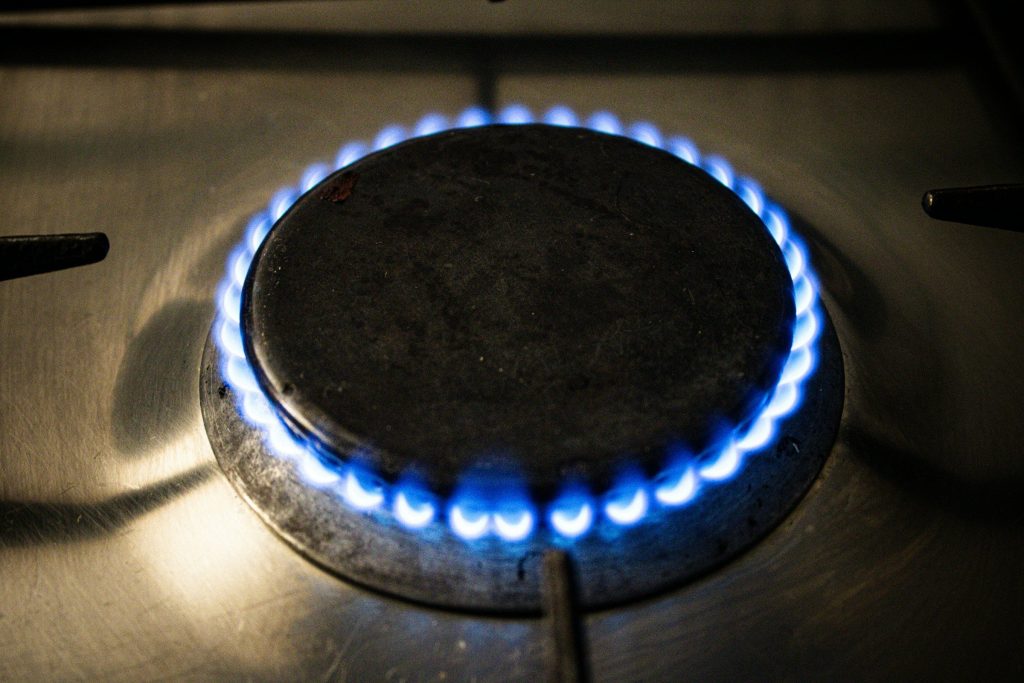
The shortest list on the site Range hood not working
A fan that will not run, one stuck on a single speed, lights that have gone, or a hood that sounds healthy and moves nothing. Four different problems, and you can tell them apart from the kitchen floor.
- Fan does not run at all
- Runs but pulls almost nothing
- Lights out or flickering
-
from $125 Range hood repair
Fan not running, stuck on one speed, lights out, or a hood that pulls almost nothing. The shortest list of possible causes on this site, and usually the shortest visit.
- Motor, speed control and switches
- Lighting and its transformer
- Filters, ducting and the outside cap
Questions people ask about this
Can the filters go in the dishwasher?
On most models yes, and the manufacturer usually says so. One caveat: aluminum mesh discolors in a dishwasher — it goes dull and chalky. That is cosmetic and permanent, so if the hood is a visible one you may prefer to wash them by hand.
The fan runs but the kitchen still fills with smoke.
Filters first, then the duct, then the cap on the outside. A long duct run with two elbows moves a fraction of the rated airflow even when everything works, and a wall cap with a corroded damper that no longer opens moves nothing at all — behind a hood that sounds perfectly healthy.
How do I know if mine recirculates?
Look at the top of the hood. If there is a duct going up into the ceiling or back through the wall, it is ducted. If the top is closed and there are vents at the front or sides blowing air back into the room, it recirculates. In a tower it is almost always the second.
Do I really need to replace the charcoal?
If you want the hood to do anything. Charcoal works by adsorption and it saturates — once it is full it has no capacity left, and the hood is a fan moving greasy air around the kitchen. Six to twelve months depending on how much you cook.
How often should the grease filters be washed here?
Monthly for regular cooking. Grease that has been baked on by heat rising from the hob for six months does not come off in a soak, and a filter that has reached that point is usually replaced rather than rescued.
Maintenance & Prevention
More guides like this one
-

Descaling a Bosch Dishwasher in South Florida’s Hard Water
This is the one piece of maintenance the machine publishes an error code for, which tells you how seriously the manufacturer takes it. Acting on that code is a service. Ignoring it for a year is the most expensive part in the dishwasher.
Read more -
Keeping a Bosch Washer Clean in a Closet That Never Dries Out
A front loader in a humid, unventilated laundry closet is the hardest case there is for a door seal — and this is a genuinely local problem. The drum cycle, the seal, the drawer, and the pump filter nobody has ever opened.
Read more -

Cleaning the Filter in a Bosch Dishwasher, and How Often It Really Needs It
Five minutes, no tools, once a month. It prevents the most common repair call this brand generates — and most owners have never been told the filter exists.
Read more
Tell us the model number and what it is doing.
This article is based on:
- Official manufacturer documentation
- Internal repair procedures
- Technician repair history
- Company quality standards