Appliance
Bosch ranges
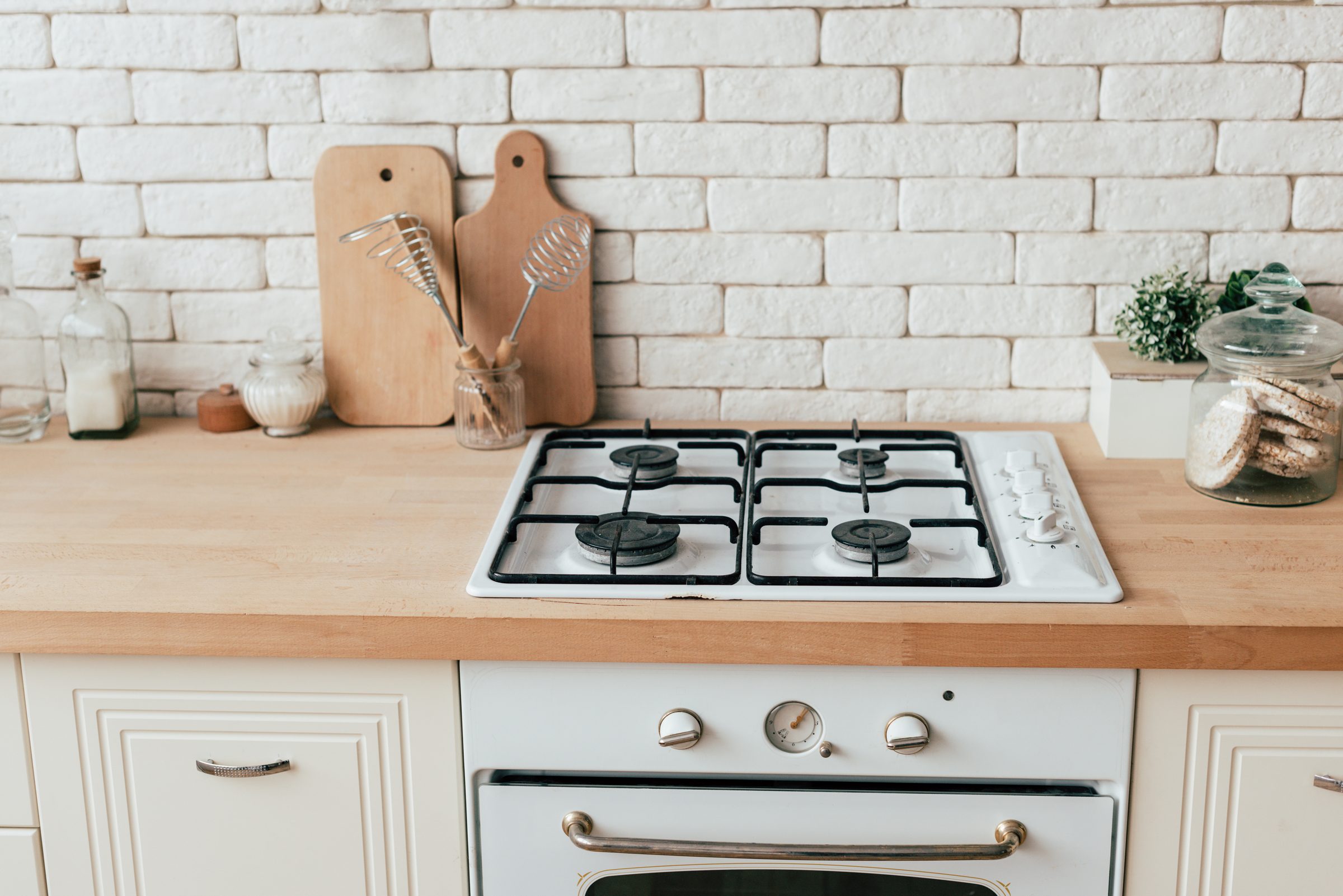
Slide-in and free-standing ranges in all four fuel configurations. A range is two appliances in one chassis — a cooktop and an oven that share a control board — and knowing which half is misbehaving is most of the diagnosis.
- 8 symptoms we are called out to
- From $95 diagnostic, credited to the repair
- 59 cities and neighborhoods covered
- OEM parts available on order
The short version
What this equipment is, for a repair
Configurations
Gas · dual-fuel · electric · induction
Access
Planned before the visit, not discovered on arrival
Parts
OEM, available on order
Diagnostic
From $95, credited to the repair
What goes wrong with it
Symptoms we are called out to on Bosch ranges
Each one covers the likely causes in the order they are worth checking, and what to do in five minutes before booking anything.
-

Never hot, or never hot enough Oven not heating
An oven that never warms up, or one that heats but sits well below the temperature it was set to. Those are different problems with different parts and quite different figures.
- No heat at all
- Runs cool by a consistent amount
- Takes far longer to preheat than it used to
-
After a self-clean cycle Oven door locked shut
A door that locked for self-clean and has not released. Most of them open once the cavity is genuinely cold — and the ones that do not have a published code of their own, which tells you how often this happens.
- Locked since a self-clean cycle
- Lock icon showing with the oven cold
- A grinding noise from the lock
-
Usually the fan Oven baking unevenly
One side browning faster than the other, a tray that has to be turned halfway, or results that changed without the recipe changing. On a convection oven this is the fan more often than an element.
- One side of the tray browner than the other
- Top browning before the middle cooks
- Results changed with no change in method
-
Often moisture, not electronics Oven controls not responding
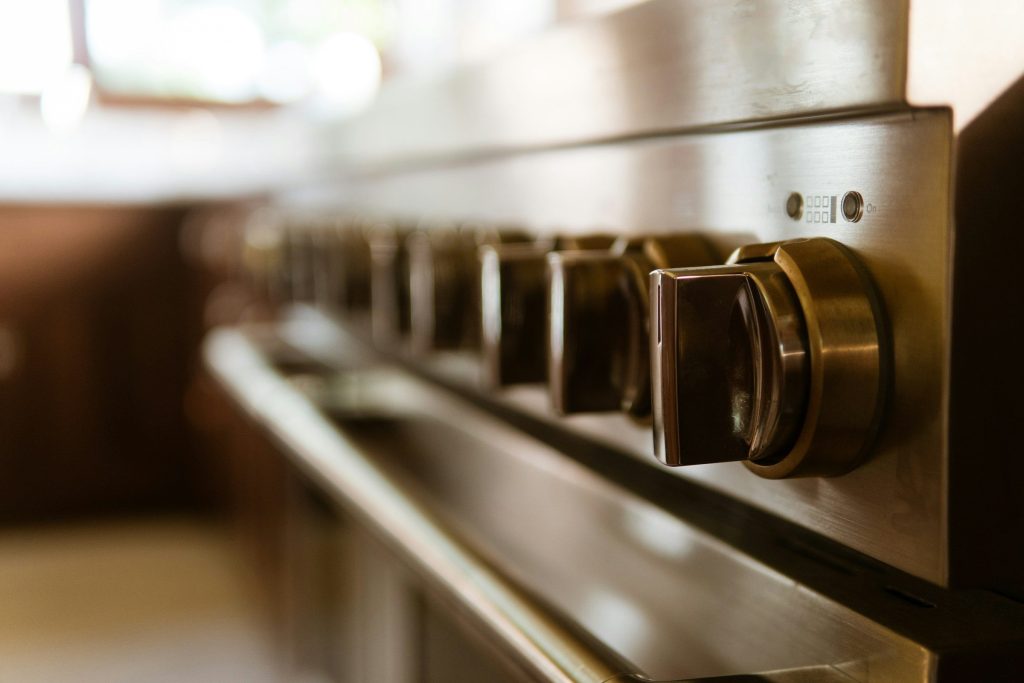
A touch panel that ignores you, responds to the wrong key, or works intermittently. Condensation on the glass causes this far more often than a failed control, and it has a published code of its own.
- Panel ignores touches entirely
- The wrong function starts
- Works when cold, not when cooking
-
Usually protection working Cooktop zone switching itself off
A zone that cuts out under load, or a cooktop that shuts down after a while at high power. Almost every version of this is a protection doing its job, and each one has a published code that says which.
- Cuts out after twenty minutes on high
- All zones off at once
- Comes back after it cools
-

Check the lock first Cooktop controls locked or unresponsive
A cooktop that beeps and refuses, or does nothing at all. The panel lock engages by accident constantly — from a wet cloth, a boil-over or a pan set down on the touch keys — and clearing it takes four seconds.
- Beeps but nothing happens
- A lock symbol on the display
- Everything flashing at once
What we do on it
Repairs we carry out on Bosch ranges
Starting figures for this equipment in South Florida. The exact cost is confirmed after an on-site diagnostic — and this is not the whole list of what can go wrong, so call if your problem is not here.
-
from $95 Diagnostic visit
We read the code, reproduce what the appliance is doing, and check the cheap causes before anything expensive is proposed. The fee is credited toward the work when you go ahead.
- Codes read and reproduced on site
- The inexpensive causes checked first
- Credited toward the repair
-
from $165 Oven element & sensor repair
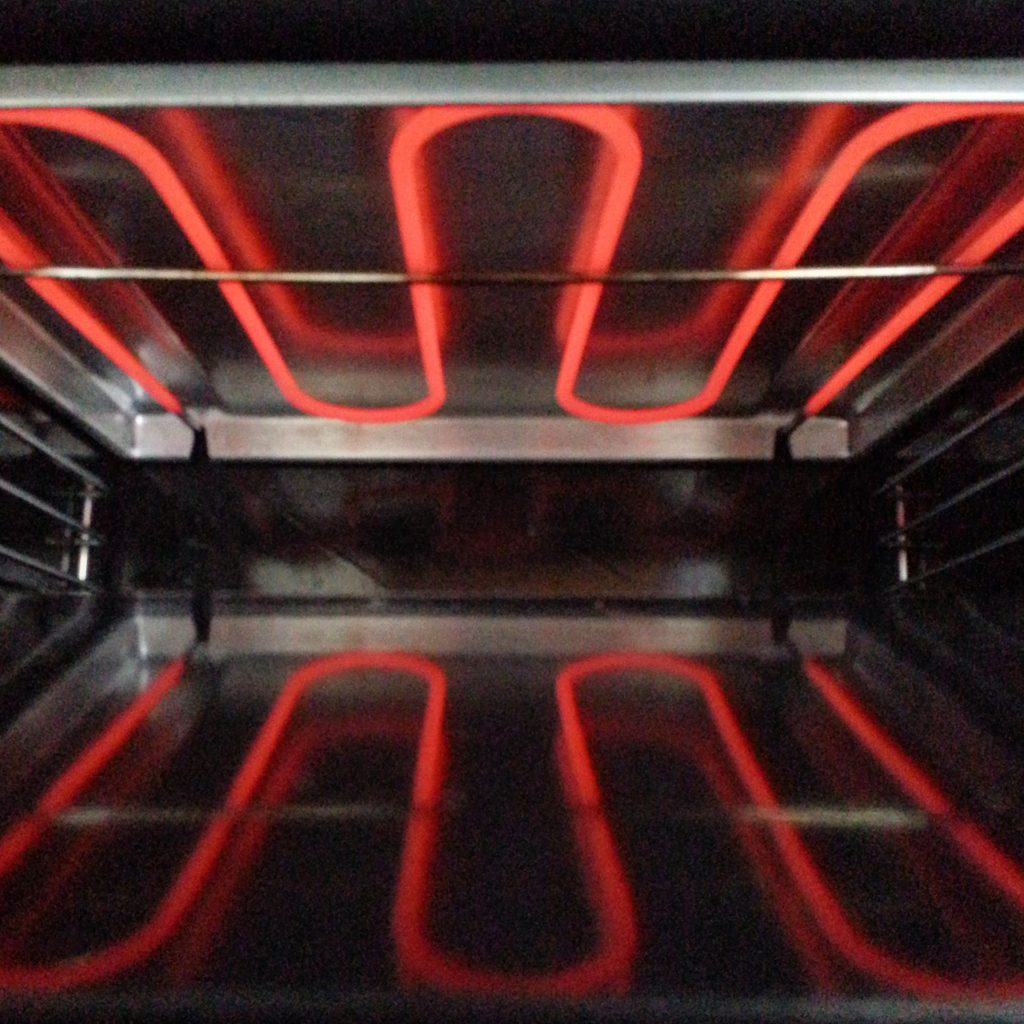
An oven that does not reach temperature, overshoots it, or browns everything on one side. Which of those three it is decides whether this is an element, a sensor or the convection fan — and they are different figures.
- Bake, broil and convection elements
- Temperature sensor and its wiring
- Calibration where the oven is simply off
-
from $135 Oven door & lock repair
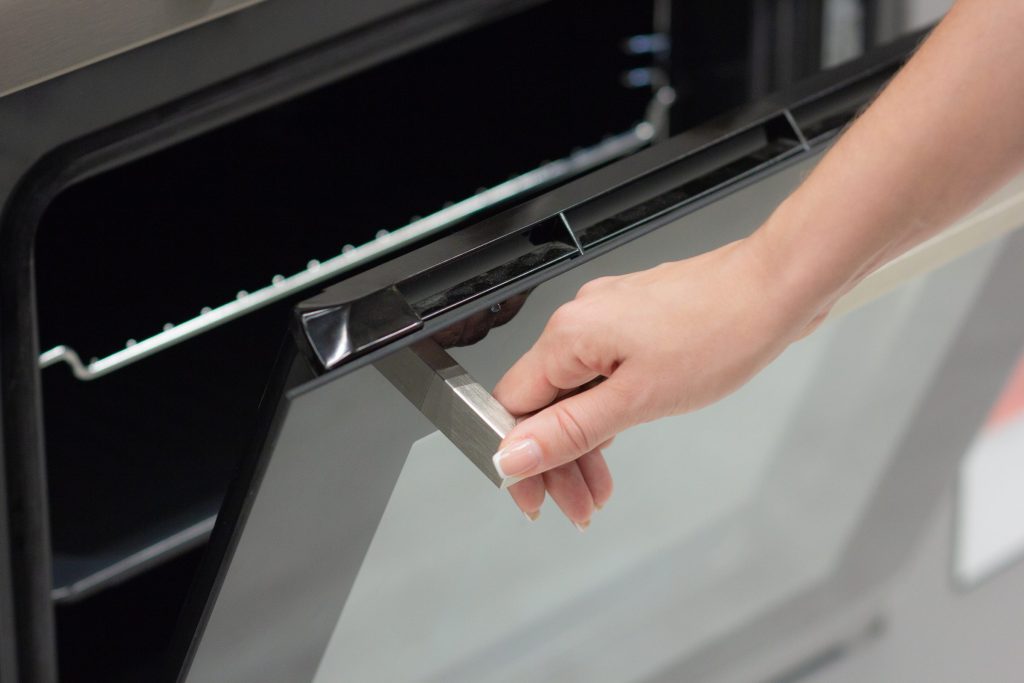
A door locked shut after a self-clean cycle, a door that no longer closes squarely, or hinges that have given up. The self-clean lock is common enough that the manufacturer publishes a code for it on its own.
- Self-clean lock stuck after a cycle
- Hinges, springs and a door that sags
- Door seal and glass panels
-
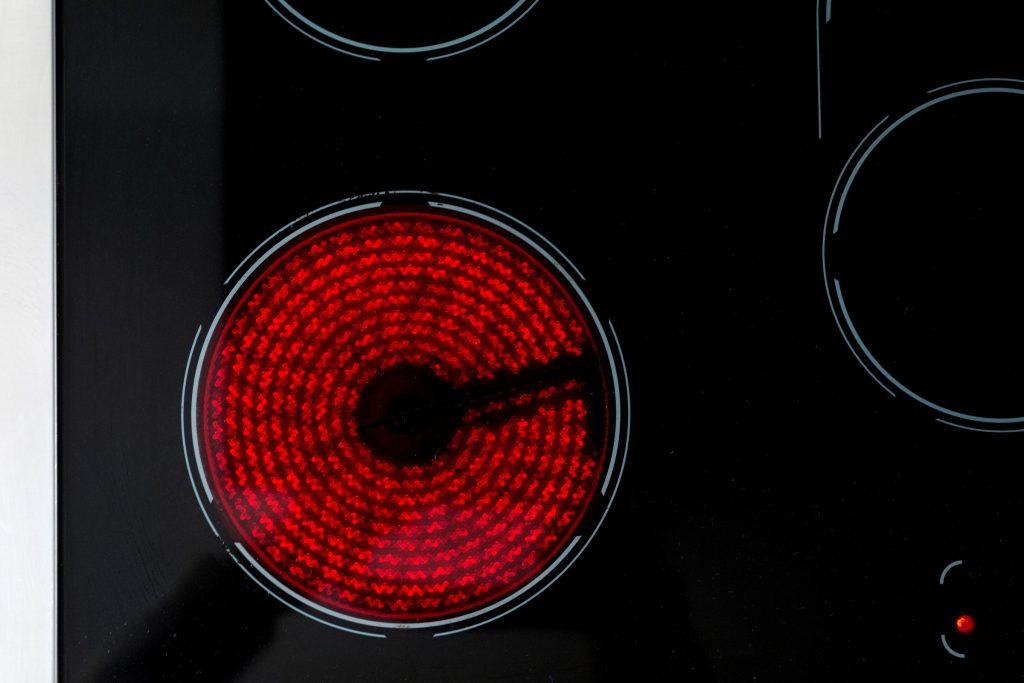
from $210 Cooktop & induction repair
A zone that switches itself off, a panel that will not respond, or a code about supply voltage. Most of what an induction top does when something is wrong is protect itself — and telling that apart from a failure is most of this job.
- Zones cutting out under load
- Touch controls and the panel lock
- Induction modules and coil wiring
-
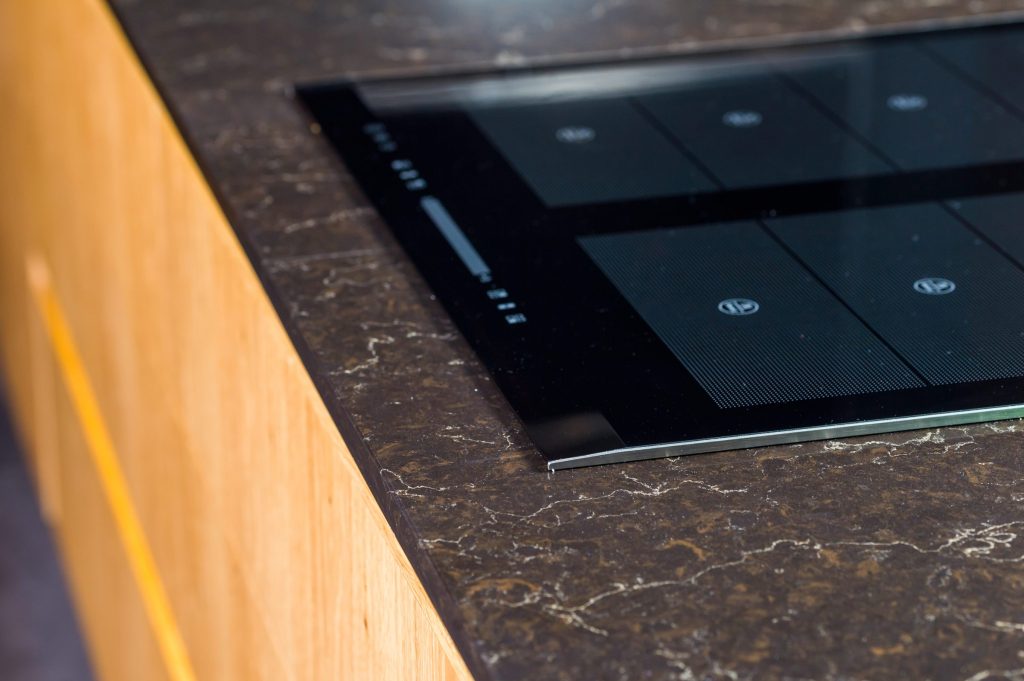
from $320 Cooktop glass replacement
A cracked or chipped glass top. Worth an honest conversation early, because on some models the glass is not sold separately — and where it is, it is model-specific down to the exact configuration.
- Cracks, chips and heat damage
- Availability checked before anything is booked
- Sealed and tested after fitting
-
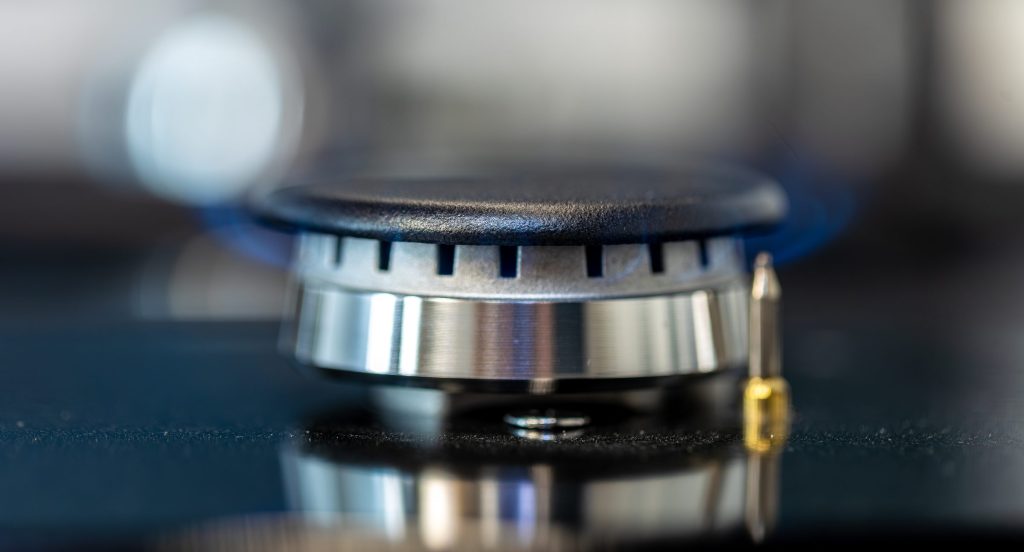
from $145 Gas burner & igniter repair
Igniters that click without catching, burners that will not hold a flame, or a flame that is yellow when it should be blue. Whether it is one burner or all of them is the fastest diagnostic there is.
- Igniters, electrodes and the module
- Burner caps, ports and the flame itself
- Gas oven igniters that fail slowly
-
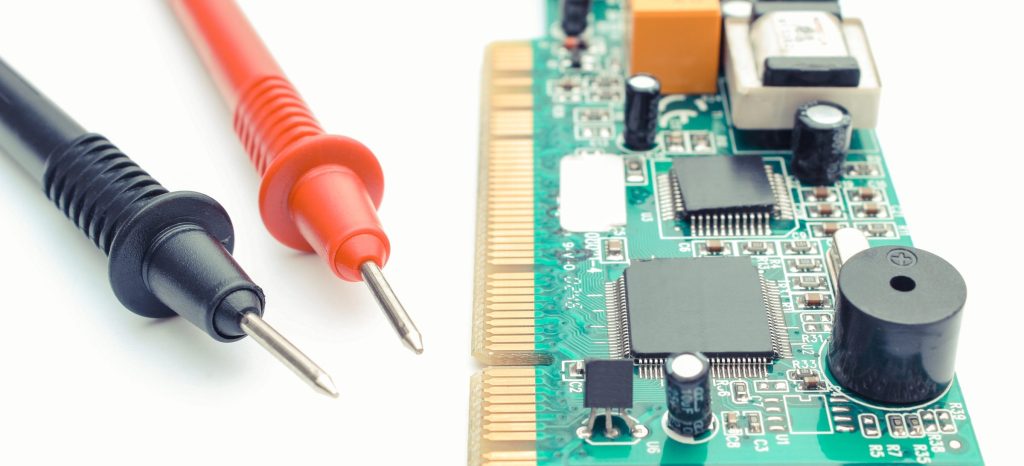
from $310 Control board replacement
The repair we most want to rule out before doing. A board is the expensive part on most of this equipment, and a good share of the symptoms that point at one turn out to be a sensor, a harness or a power supply instead.
- Confirmed before it is condemned
- Power supply and harness checked first
- OEM boards on order against the model
-
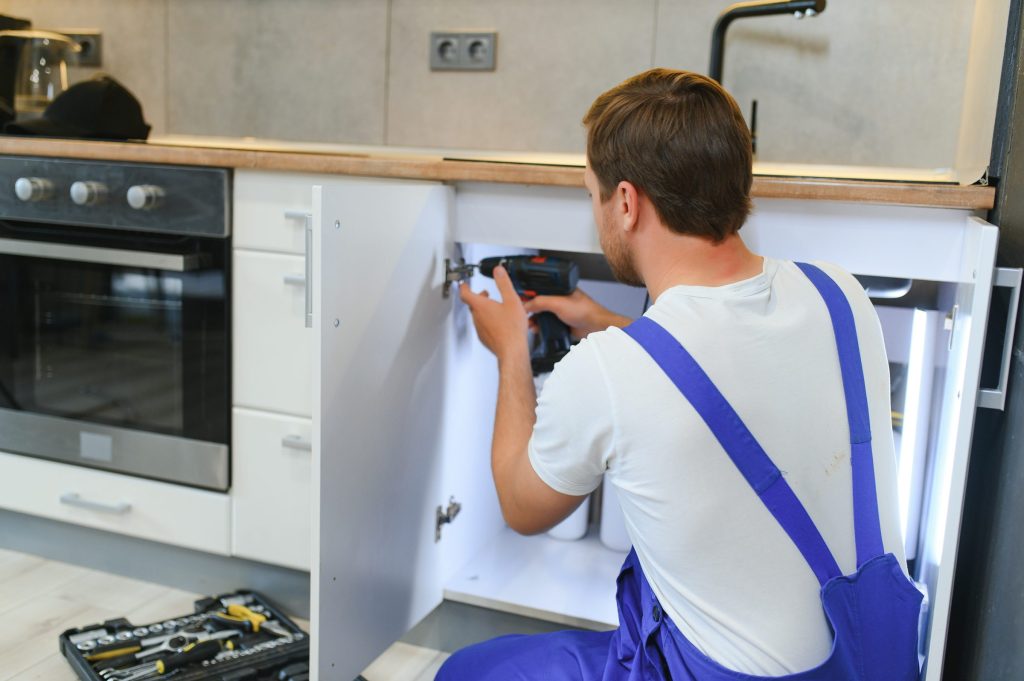
from $185 Installation & re-fitting
Fitting a replacement into an opening that was built for something else, stacking a laundry pair, or putting right an installation that has been causing problems since day one. A surprising share of what looks like a broken appliance is an appliance installed badly.
- Built-in openings, panels and trim
- Stacked laundry and closet installs
- Correcting installations that never worked
In more detail
About Bosch ranges
One chassis, two appliances
The cooktop and the oven in a range have separate elements, separate sensors and separate ways of going wrong, and they meet at a shared control board and a shared feed. So the first question is always which half is affected. Both halves dead points at power or the board; one half points into that half; an induction top that has switched itself off while the oven is fine is usually protecting itself rather than failing.
Dual fuel, and why people choose it
A gas top with an electric oven is the configuration most cooks want and the one that most complicates a repair, because the appliance now has both a gas train and a heating circuit in one box. It is also the configuration where "the oven is fine" and "the burners are fine" are most often both true at once, with something in between them at issue.
Codes shared with the cooktop
The induction and glass-top ranges display the same family of codes as the standalone cooktops — the overheat protections, the automatic time limit, the demo mode that arrives from the showroom floor, and the supply-voltage code that is about your building rather than your range. Those pages cover both, and each one says which appliances show it.
This article is based on:
- Official manufacturer documentation
- Internal repair procedures
- Technician repair history
- Company quality standards
Before you book
Questions about Bosch ranges
The burners work and the oven does not, or the other way around.
That is genuinely useful information and worth saying when you book. The two halves share a control board and a power feed but almost nothing else, so which one still works usually tells us where not to look.
The igniters click but the burner will not catch.
Usually the burner cap is out of position or the ports are blocked — both are worth checking yourself, cold, before anyone comes out. If several burners do it at once, the question moves upstream to the gas supply or the ignition module.
Is a slide-in range harder to service than a free-standing one?
A little. A slide-in is fitted flush between cabinets with its edges overlapping the counter, so it comes out forwards and the counter has to survive it. We plan for that rather than discovering it.
Where we do it
Across Miami-Dade, Broward, and Palm Beach
Same terms everywhere we go: an on-site diagnostic first, the price agreed in writing, and the exact figure confirmed once we have seen the unit.
Neighborhoods people ask for by name